

Understanding the Impact of New National Insurance Contributions on the Vape Industry
The vaping industry has faced various challenges in recent years, but the latest development regarding National Insurance contributions (NICs) may pose new threats to local businesses. As of today, employers are now subject to a 15% NIC on salaries exceeding £5,000, a significant increase from the previous rate of 13.8% on salaries over £9,100. This change comes hand-in-hand with the recent rise in the national living wage, which is meant to bolster the financial stability of workers but also imposes additional burdens on employers.
Effects on Local Vape Shops
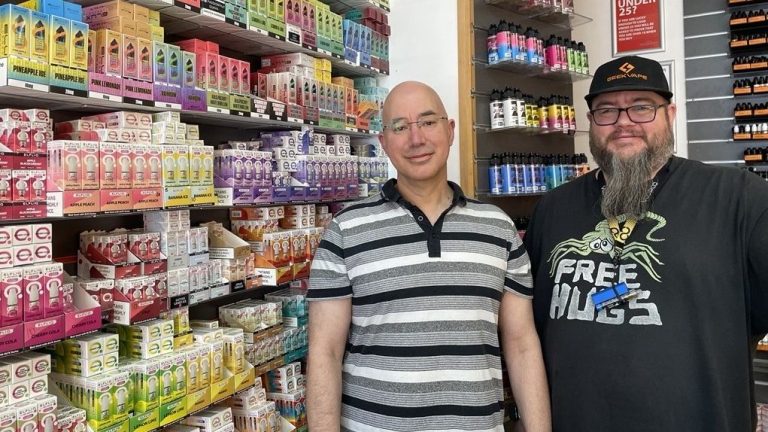
Anthony Elpert, owner of Ecigzoo in Wisbech, is bracing for potential repercussions as he navigates these changes. Established in 2014, Ecigzoo has maintained stable pricing for many of its products over the years. However, with escalating costs associated with NICs and raising wages, Elpert feels compelled to adjust prices in order to sustain his business operations.
“A lot of our prices haven’t gone up in years; we’ve still got products that have been the same price for many years,” remarked Elpert. He anticipates an additional burden of approximately £5,000 in NICs and another £2,000 in staff costs, which leaves him with little choice but to increase prices for customers.
The Rationale Behind the NIC Increase
The UK government’s decision to raise employer NICs aims to generate approximately £22.6 billion in funding for public services over the next two years, specifically targeted toward the NHS and other essential health services. While this funding is crucial for public welfare, the implications for small business owners cannot be overlooked.
Plans on Hold and Future Challenges
Elpert’s plans for expansion have also been thwarted by the increase in expenses. The climate for small business operators in the vaping industry is especially precarious, as many already struggle with current market conditions, including rising costs and external taxation pressures.
Despite these challenges, Elpert believes that the potential impending tax on vapes—specifically, a £2.20 levy per 10ml bottle of vape liquid set to go into effect in October 2026—will have a greater impact on customer retention than the current NIC increase. He stated, “I think that will be a big shock to us,” acknowledging that while the current NIC hike might lead to customer attrition, it may not be as severe as the future vaping tax.
A Call for Customer Understanding
As a business owner, Elpert expresses a hope that his long-standing customers will understand the need for price increases as he strives to maintain service quality amid rising operational costs. “We might have people walk away, but hopefully we’ve got a lot of loyal customers who will understand,” he said, illustrating the tightrope many small businesses must walk between profitability and customer loyalty.
Conclusion
The increased NIC contributions represent a significant challenge for vape shop owners like Anthony Elpert. While the government promotes these changes as necessary for public funding, the immediate impact on local businesses raises valid concerns about sustainability in the vaping industry. As the landscape evolves, both employers and customers will need to adapt to these changes and navigate the complexities of the financial responsibilities they entail.


0 Comments