
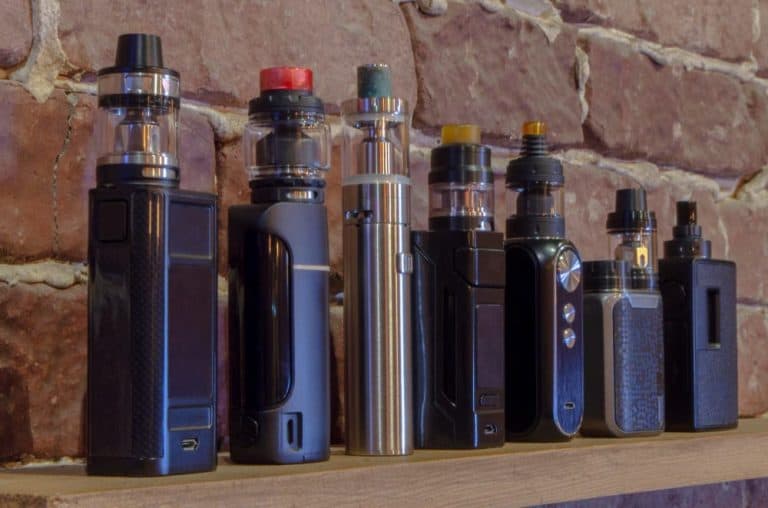

The Growing Concern of Illicit Vape Modifications Among Youth
The vaping landscape in the UK is changing rapidly, raising alarms among health officials and advocacy groups. John Dunne, the Director General of the UK Vapour Manufacturers Association (UKVIA), points out the availability of illicit vape devices from unregulated sources, which raise significant safety concerns. The lack of regulation means that many buyers are unaware of the true contents of these devices, potentially leading to serious health risks.
Illicit Products and Public Health Risks
Recent statistics published by the Office for Health Improvement & Disparities (OHID) highlight a troubling trend: a growing number of young individuals seeking treatment for cannabis-related issues, with comparatively fewer reporting problems related to nicotine vaping. This concerning statistic may suggest that young people are turning to unregulated vape products that may contain illegal drugs, particularly cannabis.
In the past, cases of EVALI (e-cigarette or vaping use-associated lung injury) led to widespread concern. However, further investigations uncovered that many of these cases were linked to the use of illicit THC cartridges, rather than legal vape products. This situation underscores the need for better regulation and consumer awareness regarding the dangers associated with purchasing vapes from unofficial sources.
Urgent Call for Action
Dunne has advocated for immediate government intervention to curb the sale of illicit vape devices. Among his recommendations is a national education campaign aimed at informing the public about the risks of unregulated vape products. A clearer differentiation between legal and illegal vaping products can help consumers make more informed decisions.
Moreover, Dunne has expressed his support for implementing a national vape licensing scheme that would enforce stringent penalties on illegal sales. This initiative could potentially generate over £50 million in annual revenue through fines imposed on violators, serving as both a deterrent and a means of funding public education campaigns.
Consumer Empowerment or Recklessness?
Research indicates that consumers, especially young people, are taking matters into their own hands when it comes to modifying vape products. A recent study revealed that participants frequently mixed e-liquids to create unique flavors, and alarmingly, many added substances not designed for vaping, which included illicit drugs.
A study led by Grace Kong, Ph.D., from the Yale School of Medicine, surveyed over a thousand young individuals to assess their vape habits and modifications. Of those, 69% were aware that disposable pods could be refilled, and 40% had tried it. Additionally, a significant percentage of participants had experience recharging disposable batteries, often underlining the lack of regulation in the vape market.
Sourcing Information and Making Modifications
The information about these modifications predominantly originated from social circles and social media platforms. More specifically, 64.4% of participants leaned on friends for guidance, while 46.7% used social media. Certain sources of information correlating with specific modifications were identified in the research. For instance, non-social media websites and vape shops provided knowledge related to rewicking, whereas social media platforms primarily aided users in recharging batteries and mixing different e-liquids.
Another enlightening study published in “Nicotine & Tobacco Research” and involving interviews with US youth vapers found similar patterns, including a considerable number of individuals mixing traditional e-liquids with cannabis products. These modifications illustrate a stark reality: the lack of access to regulated products drives young people toward potentially dangerous alternatives.
The Paradox of Regulation
Interestingly, the findings suggest that few participants were preoccupied with achieving specific nicotine levels. The prevalence of modifications often stemmed from a desire for a personalized experience or a necessity due to restricted access. This highlights the unintended consequences of regulations that may encourage risky behavior instead of curbing it.
Effective Communication Channels
The methods by which young vapers learn about making modifications further demonstrate a concerning trend. YouTube and peer recommendations appeared as predominant sources of information, facilitating the spread of potentially harmful advice on how to alter vaping devices safely. As the popularity of vaping rises, so does the responsibility to ensure that young consumers are equipped with the correct information.
Experts continue to debate the implications of rising vape modifications and the effects of regulation, emphasizing the importance of targeted public health strategies.
Conclusion
The prevalence of illicit vape modifications among youth presents a growing public health challenge. As John Dunne stresses, robust regulatory frameworks and comprehensive education campaigns are vital to ensure young people are informed about the dangers of obtaining unregulated vape products. Until such measures are implemented, the risk of harm associated with modified and illegal vape products will only escalate.


0 Comments