

The Dark Side of Counterfeit Tobacco and Illegal Vape Products
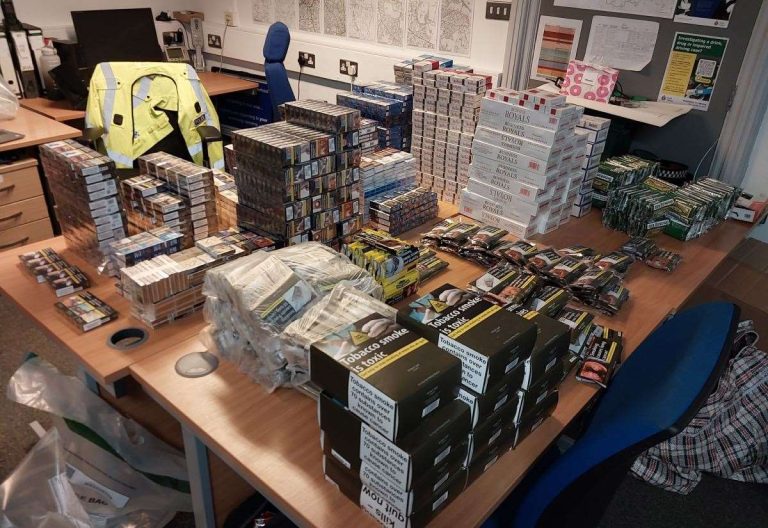
In a recent operation, police have made a significant seizure of illegal tobacco and vape products, highlighting a serious issue that encompasses health risks and ties to organized crime. The raid took place on February 28 at a store located on Upper Stone Street in Maidstone, where nearly 20 kilograms of illicit tobacco and around 40,000 illegal cigarettes were discovered.
Details of the Seizure
The illegal goods seized carry an estimated street value of £45,356, raising alarms about the extensive underground market for such products. In addition to the tobacco and cigarettes, officers also uncovered illegal vape products and dangerous weaponry, including an air-powered revolver that the store was not licensed to sell.

How the Raid Was Conducted
The police raid was a collaboration between local law enforcement, Maidstone Borough Council (MBC), and Kent County Council Trading Standards. This joint operation underscored the importance of vigilance and cooperation among agencies to tackle the growing issue of illegal trade in tobacco and vape products.
During the search of the premises, investigators found two cleverly concealed compartments, designed to hide the illegal goods from inspection. One compartment required a strong magnet to open, while the other was accessed via a modified light switch, emphasizing the lengths to which individuals will go to evade law enforcement.

Health Risks of Counterfeit Products
PC Tom Cunningham, who led the investigation, made a poignant statement about the dangers these counterfeit products pose to consumers. Counterfeit tobacco and vape products often bypass health regulations, leading to significant health risks. These products may contain harmful chemicals, including substances unfit for human consumption, such as animal hair and human faeces.
The ramifications of using such products are severe, not just for individual health, but also for public welfare. The production and distribution of these items are frequently linked to organized crime, which engages in various illegal activities, including human trafficking, drug smuggling, and child sexual exploitation.
The Role of the Community
As police efforts continue to clamp down on illegal trading practices, community involvement is paramount. Local residents are encouraged to report any suspicious sales of illegal tobacco or vape products, whether through the police department or anonymously via Crimestoppers. This proactive approach can significantly bolster the fight against organized crime.
Conclusion
While no arrests have been made following the recent raid, authorities have confirmed that all seized items will be destroyed. The incident sheds light on a larger problem within our communities—a thriving market for counterfeit and illegal products that endangers public health and safety.


0 Comments