

The Rise of Cannabis-Infused Beverages: A Market on the Turn
The cannabis-infused drinks sector is a relatively nascent segment of the beverage industry but is anticipated to evolve into a multibillion-dollar market in the coming years. This upward trend is chiefly attributed to hemp-derived THC beverages rather than those containing regulated cannabis THC available at dispensaries.
According to a report by Future Market Insights, the cannabis drinks market is expected to swell to $8.3 billion by 2032. This growth is primarily driven by a shift among millennials who are moving away from traditional alcohol consumption towards cannabis-based beverages. Given that many of these consumers already engage with cannabis recreationally, they are increasingly interested in alternatives that offer both enjoyment and a decreased reliance on alcohol.
Data from Euromonitor indicates that in 2023, sales of regulated THC beverages in the U.S. reached around $196 million, representing just 1% of total retail cannabis sales. However, this category is also noted as one of the fastest-growing segments within the industry.
Challenges Facing the Market
While growth is promising, the current size of the market is hindered by several challenges. Initial introductions of these products often resulted in long onset times for psychoactive effects—often taking nearly two hours—which, combined with poor taste, led to consumer disinterest.
Fortunately, recent technological advancements have significantly reduced the onset time to around 15 minutes, and the flavor profiles have seen considerable improvement. Manufacturers are now introducing a broader range of exciting flavors, intending to captivate a larger audience.
Despite these advancements, challenges persist. Cannabis beverages tend to occupy substantial shelf space in dispensaries, some products requiring refrigeration. A significant challenge arises from the fact that the average cannabis drink consumer does not frequent dispensaries regularly, discouraging operators from allocating valuable shelf space to this segment.
Sales patterns also reflect seasonal trends, with an uptick in warmer months and notable spikes during holiday times such as Green Wednesday. The “Dry January” movement has further influenced sales, as many individuals seeking sobriety prefer cannabis beverages as an alternative.
Additionally, consumer preferences for beverage potency pose another hurdle. Many consumers tend to favor either potent 100mg drinks or low-dose 2.5mg options, making it challenging for brands to cater to the diverse preferences effectively. Cost remains a barrier as well; a four-pack of low-dose THC seltzers can sometimes retail for up to $25.
Opportunities for Growth
A silver lining is that cannabis beverages often remain insulated from competition from the illicit market. The upfront costs and specialized machinery required for production create substantial barriers to entry for potential copycat products.
The 2018 Farm Bill brought forth significant changes in the landscape of cannabis beverages. Hemp products became legally viable nationwide, provided the naturally occurring THC levels did not exceed 0.3%. This legislative shift facilitated a surge of hemp-based products, crafting a robust market for intoxicating hemp-infused drinks.
According to bevnet.com, the hemp THC beverage market is projected to grow from an estimated $180 million in 2021 to $500 million by 2026. Sales of hemp-derived THC beverages surged by 143% in 2023, generating $98.1 million—although still trailing behind CBD drinks and marijuana-derived THC options.
The market isn’t standing still; the current trajectory indicates hemp beverages are set to overtake regulated cannabis drinks soon. Brands that derive their beverages from hemp-based cannabinoids such as THC and CBD are gaining traction.
Catering to a New Audience
Companies like Ayrloom Brands have adapted to market trends by diversifying their offerings to include hemp beverages. Initially slow to enter the market, the brand’s leadership, notably President Mark Hueber, recognized the potential post-research into various state regulations and market opportunities. This strategic shift enabled them to expand their reach without the need for establishing new facilities for regulated THC beverages.
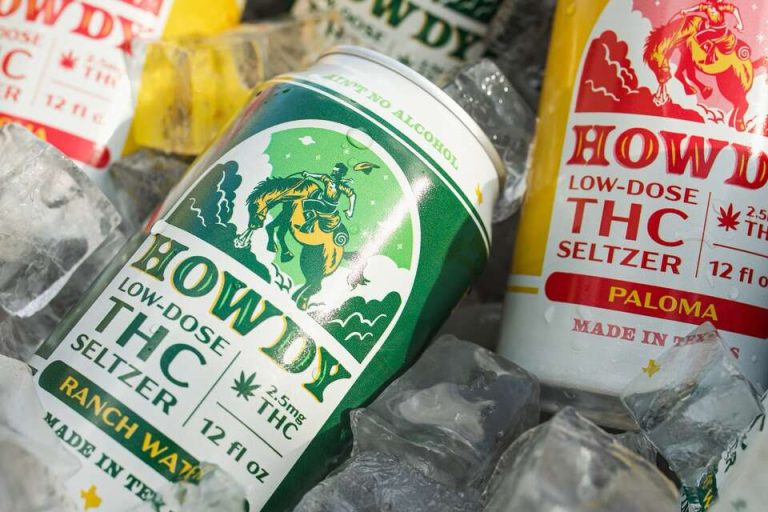
Moreover, companies already rooted in the alcoholic beverage industry are finding it easier to transition into the hemp space. As observed with the production of Howdy THC, a Texas-based cannabis-infused seltzer, these beverages are increasingly finding their way into social establishments—creating a unique niche where consumers can enjoy cannabis drinks in bars and restaurants.
With states like Minnesota and Texas allowing the sale of hemp-derived THC drinks in varied venues, the expansion of availability has opened up new avenues for market growth. Minnesota alone has around 4,000 registered retailers in a market valued at nearly $200 million.
Regulatory Hurdles Ahead
Despite their booming popularity, challenges associated with hemp drinks remain. Regulatory scrutiny over intoxicating hemp products has increased, primarily focusing on the often misleading THC levels and the lack of age restrictions at certain points of sale.
Efforts to regulate these products have emerged in states like Florida and Arkansas, but legislative actions have met resistance. For instance, while there’s ongoing debate over restricting certain hemp products in Florida to protect the medical marijuana market, local laws vary significantly across states. In Texas, despite selling beverages labeled with 5mg of hemp-derived THC—substantial enough to yield a positive drug test—legality remains complex and requires navigating various regulations.
Companies like Ayrloom, though successful in certain markets, face the trials inherent in the cannabis industry. Hueber emphasizes the necessity of maintaining low inventories and the flexibility to adjust packaging according to state-specific requirements.
A Bright Future
As consumers become increasingly educated and less reluctant to explore cannabis-infused beverages, the outlook for this sector remains optimistic. With innovative flavors, better production technologies, and growing consumer demand, the cannabis beverage market is poised for significant expansion in the years to come.


0 Comments