

The Impact of New Vaping Regulations on Cross-Border Trade
By Paul McElwee
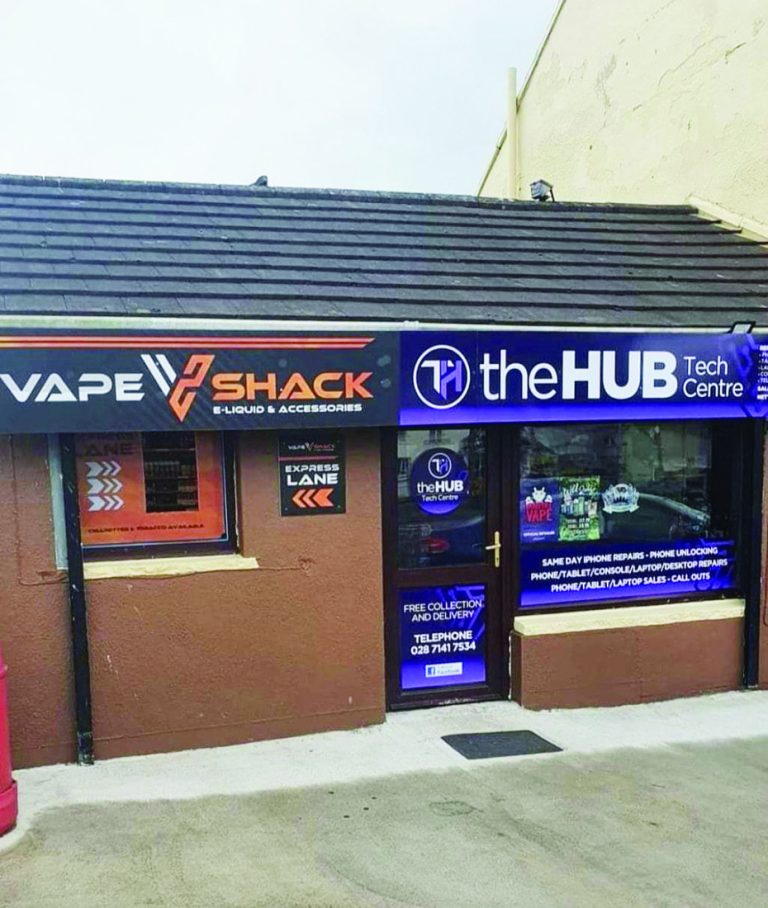
As we approach the new year, significant changes are coming to the vape industry in Ireland, particularly regarding flavored vape products and the imposition of an excise tax on non-banned vapes. These upcoming regulations are anticipated to considerably alter the landscape of vaping in border regions, particularly affecting shops like Vape Shack in Strabane.
A Rapid Shift in Vaping Regulations
Starting in January, the Irish Dáil will implement a comprehensive ban on all flavored vapes, in addition to introducing an excise tax of €0.50 per ml on existing non-flavored products. This new taxation could push the cost of a typical 10ml bottle of vape liquid from its current price of €3 to €5 to an alarming €8 to €10, increasing the cost by as much as 177%.
The Cross-Border Trade Surge
Connor Kelly, owner of Vape Shack, believes this situation will drive a notable increase in cross-border trade. “Of course, sales from across the border will increase; why wouldn’t it?” Kelly stated. He mentioned that residents of border counties are likely to travel the short distance to Strabane when craving flavored vapes. His shop’s location makes it a convenient option for many customers.
Kelly elaborated that there is already a noticeable influx of customers from the south, with many opting to pay in euros, hinting at a trend that could escalate once the new regulations are enforced. Recognizing the significant price difference, he can understand the allure of avoiding steep price hikes by simply crossing the border.
Concerns for Local Retailers
While this increases opportunities for shop owners in Northern Ireland, the impending regulations pose serious threats to retailers in the south. Kelly shares this apprehension, asserting that the new rules could potentially “kill the industry” in areas affected by the ban. This might lead to business closures, reducing the available options for consumers.
The Smuggling Threat
Another concern raised by Kelly is the potential for smuggling activities to emerge due to the disparity in laws governing vaping products on either side of the border. While he acknowledges the possibility of illegal trade expanding, he questions the feasibility of enforcement mechanisms, stating, “It is up to Dublin to introduce safeguards to ensure that doesn’t happen.”
He further emphasizes that it should not be the responsibility of Northern Ireland-based businesses to regulate this cross-border commerce, especially as flavored vapes remain legal and available in the North. “I will act within the law and sell a vape product to anyone over the age of eighteen who wants it, regardless of where they’re from,” Kelly asserts.
Looking Ahead: The Future of Vaping
As more consumers opt for vapes, the ongoing conversation about regulation continues to be pivotal. Vape shops in Northern Ireland may see representation of the changing trends in vaping behavior driven by economic factors as consumers search for affordable options.
Conclusion
The impending ban on flavored vapes and the excise tax in the South creates a unique dynamic impacting consumers and retailers alike. For shop owners like Connor Kelly, this could signify an era of increased traffic and enhanced sales across the border, reshaping the vaping landscape in the region. As the situation evolves, it remains crucial for both sides of the border to address these challenges, balancing public health regulations with the economic realities faced by local businesses.


0 Comments