

Federal Court Upholds Utah’s Flavored E-Cigarette Ban: Impacts, Reactions, and Future Directions
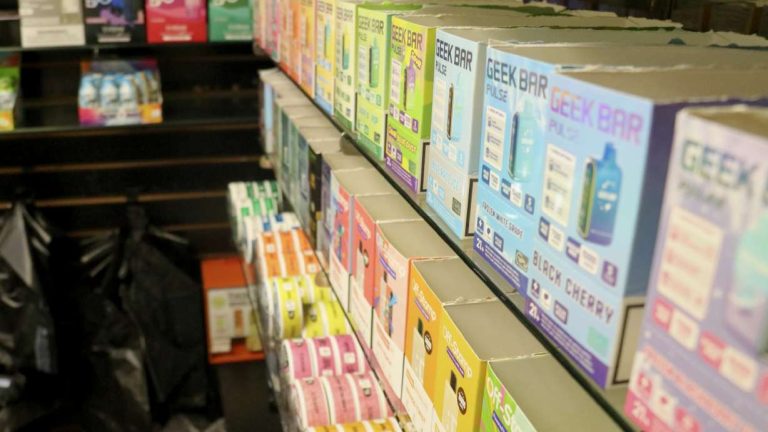
SALT LAKE CITY — In a significant ruling, a federal judge has confirmed the enforcement of a statewide ban on flavored e-cigarette products in Utah. This ruling follows the implementation of SB61, the Electronic Cigarette Amendments, which was established to address the increasing use of vape products among minors by prohibiting sales of non-FDA approved items at retail tobacco specialty businesses.
The Legislative Framework: SB61
Passed over a year ago, SB61 aims to limit the accessibility of e-cigarette options for youth by changing state laws to:
- Prohibit sales of unauthorized e-cigarette products not approved by the Food and Drug Administration (FDA).
- Set a nicotine cap at 4% by weight.
- Ban all flavored e-cigarettes except for menthol and traditional tobacco flavors.
- Create a registry of approved products available for sale.
Although the enforcement of these changes was initially slated for January 1, 2025, a lawsuit was filed in December 2024 by the Utah Vapor Business Association and a local business, The Smoke House, seeking a temporary stay and arguing the bill is unconstitutional.
Judicial Ruling and Responses
On Monday, U.S. District Court Judge David Barlow allowed the ban to take effect, with discussions still ongoing regarding the constitutional implications of certain provisions, particularly concerning warrantless inspections.
Aubri Devashrayee, a media coordinator for the Department of Health and Human Services, expressed optimism about the ruling, highlighting the advocacy from youth who directly documented the harm they encountered. However, critics of the ban argue that minors primarily obtain flavored vaping products through social media and online retailers, rather than from specialized tobacco shops.
Statistics and Trends
Supporting the push for the ban, a 2023 survey revealed a drop in the percentage of eighth to twelfth graders who reported vaping within the last 30 days, from 12.4% in 2019 to approximately 7%. This decline signals a positive trend, although officials like Devashrayee note the ubiquitous nature of vaping among youth.
Statistics illustrate that vape usage among youths in Utah surged between 2013 and 2019, with nearly 1 in 8 students reporting recent vaping behavior. The aftermath of the ban reflects the direct ramifications this legislative action could have on local businesses, as many claim it could threaten their existence.
Business Community’s Response
A number of business owners have voiced concerns that the new ban could lead to closures, pushing consumers towards unregulated and potentially dangerous products sold illegally. Beau Maxon, an owner of several vape shops and vice president of the Utah Vapor Business Association, noted that the ban disproportionately affects specialty retailers while allowing larger retailers to sell non-flavored versions.
Survey Findings
A recent survey indicated that a significant portion (60% to 85% or more) of net sales at vape shops stemmed from flavored products. Respondents like Rep. Matt MacPherson emphasized that these bans may not effectively target the real sources of youth access to vaping products.
Pursuing a Balanced Regulatory Approach
In light of the ban, MacPherson has suggested a more comprehensive regulatory solution intended to address youth vaping effectively while supporting businesses. His proposal included:
- Preventing sales to retailers who have historically sold to minors.
- Establishing a state registry for identifying legally imported products.
- Implementing stricter regulations for online sellers.
- Enhancing identification scanning processes and increasing requirements for surveillance, licensing fees, and permits.
Moving Forward: Implications for Retailers
Though the ban has been enforced, many vape shop operators are contemplating pivoting their business models toward medical cannabis products or preparing for potential closures. Maxon aptly characterized the situation as tragic, denouncing what he perceives as an infringement on the principles of a free-market and small-business friendly environment.
Resources for Nicotine Cessation
For individuals seeking help in quitting nicotine, several resources are available:
- Youth Quit Services (under 18): mylifemyquit.org
- Services for Adults (18+): waytoquit.org or call the Utah Tobacco Quitline at 1-800-QUIT-NOW
- Recursos en español: dejeloya.org
Conclusion
As the Utah flavored e-cigarette ban unfolds, the balance between protecting youth from nicotine addiction and supporting local businesses continues to be a contentious point of discussion. The upcoming legislative sessions will be crucial in determining how Utah will address these challenges moving forward.


0 Comments