
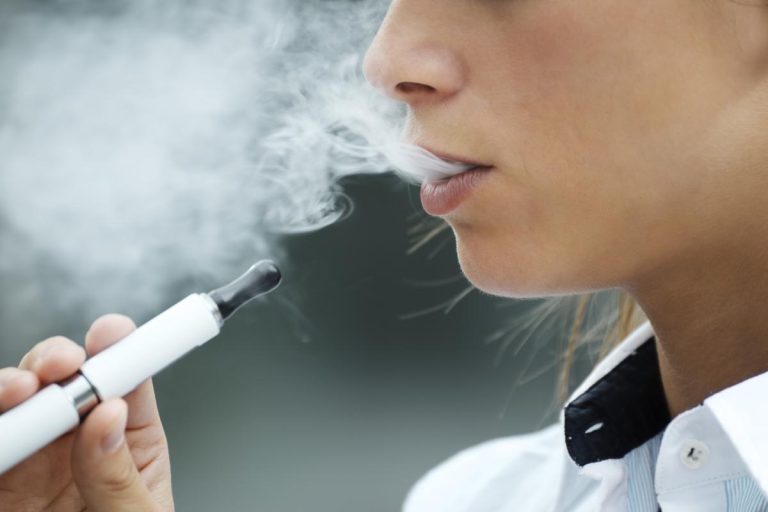

City of Vincent Considers Expanding Smoke-Free Zones to Combat Rising Vaping Trend
The City of Vincent, a vibrant locality just three kilometers from Perth’s central business district, is assessing the possibility of broadening its smoke-free zones to tackle the rapidly increasing prevalence of vaping among the population. This consideration comes on the heels of the council’s successful implementation of a smoking ban in five prominent town centers in late 2022.
The Context of Vaping Popularity
As vaping continues to gain traction, the council’s focus now shifts towards this alternative to traditional cigarettes, which, according to Mayor Alison Xamon, has become increasingly popular, particularly among the youth. In fact, recent studies indicate that the popularity of vaping has outpaced that of cigarette smoking, raising concerns about its health implications and community well-being.
Current Smoke-Free Initiatives
The initial ban on smoking targeted key public areas, including dining precincts, parks, and recreational areas. The intent behind these measures was to enhance public health, create a family-friendly atmosphere, and diminish exposure to secondhand smoke, which is known to pose significant health risks.
Feedback from local businesses and residents has been largely positive since the implementation of these smoking restrictions, bolstering the council’s resolve to take further actions against vaping.
Future Plans and Public Consultation
In a recent interview with The West Australian, Mayor Xamon confirmed that the council is looking into the possibility of establishing additional smoke-free zones as part of their forthcoming public health strategy. Importantly, these proposed measures will go through community consultation to ensure that the voices of local residents are heard and considered.
Inconveniences for non-compliance are also being discussed. A planned deterrent includes a $100 fine for those caught vaping in designated smoke-free zones, alongside a potential additional penalty of $200 for individuals who refuse to extinguish their vape upon request by enforcement officers.

Australia’s National Vaping and Smoking Landscape
The rise in vaping isn’t limited to the City of Vincent. Councils and state governments throughout Australia are grappling with the increasing popularity of vaping as well. According to data from the Australian Alcohol and Drug Foundation, the prevalence of vaping among individuals aged 18-24 soared from 5% in 2019 to an alarming 21% by 2022-23. This trend also extends to younger demographics, with vaping among children under 14 increasing from 2.5% to 7% within the same time frame.
Notably, approximately one in ten Australians aged 18 to 24 reported daily vaping habits as of 2022-23, highlighting the urgency for regulatory measures.
State-Specific Regulations
When it comes to public vaping and smoking policies, these are regulated differently across various Australian states and territories. For instance, South Australia recently enforced new laws prohibiting smoking and vaping in public spaces, which carry on-the-spot fines of up to $105. Offenders potentially facing prosecution under these laws could incur fines reaching $750.
In Victoria, smoking is banned within four meters of building entrances and 10 meters from outdoor recreational facilities, while in New South Wales, both vaping and smoking are prohibited in all indoor public settings and many outdoor spaces.
Historical Perspective on Smoke-Free Zones
Western Australia’s City of Fremantle has played a significant role in pioneering smoke-free spaces, having introduced the smoke-free “Cappuccino Strip” back in 2008. This historic initiative marked the beginning of a trend towards establishing smoke-free zones across various local government areas in the state, setting an example that cities like Vincent now aim to follow.
Conclusion
As the City of Vincent contemplates the expansion of its smoke-free zones, it stands at a crucial juncture in public health policy. With increasing concern over the health effects of vaping, particularly among young people, the council’s proactive approach may set a precedent for other Australian councils striving to ensure healthier communities. Through community consultation and thoughtful regulation, a balanced solution could be realized—one that prioritizes public health while considering the diverse perspectives of local citizens.

0 Comments