

Court Dismisses Huckabee’s CBD Endorsement Lawsuit Against Meta
In a notable legal decision, a federal judge has thrown out a lawsuit initiated by former Arkansas Governor Mike Huckabee against Meta Platforms Inc., the parent company of popular social networks Facebook and Instagram. The lawsuit concerned advertisements that falsely claimed Huckabee was endorsing CBD products.
The Lawsuit’s Claims
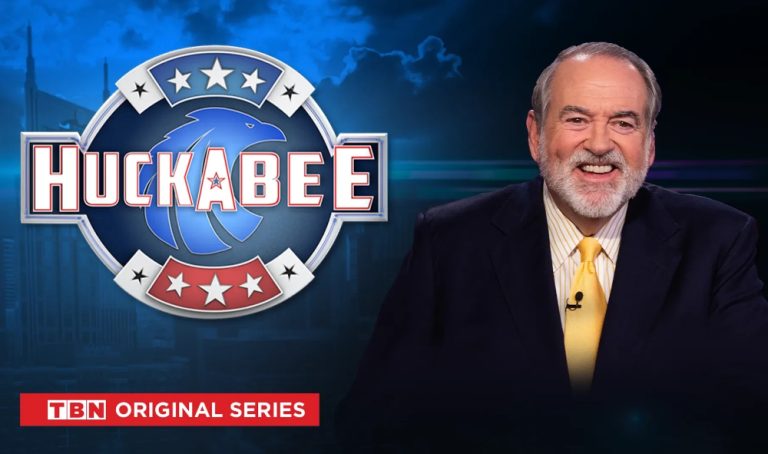
Huckabee, who has run for president twice and currently serves as a political commentator, argued that Meta profited from deceptive ads promoting Fortin brand CBD gummies. These advertisements utilized Huckabee’s name and likeness without permission.
The Judge’s Ruling
U.S. District Judge Gregory Williams ruled that while Meta is not completely protected by Section 230 of the Federal Communications Decency Act (CDA), Huckabee did not meet the burden of proof to demonstrate that Meta acted with actual malice or showed reckless disregard for the truth. Judge Williams indicated that Huckabee’s allegations—including invasion of privacy, unjust enrichment, and a breach of Arkansas’s Publicity Protection Act—did not have sufficient evidence for continuation in court.
In his ruling, Judge Williams noted, “It is not reasonable to infer that Meta entertained serious doubts about the asserted advertisements since Gov. Huckabee has publicly denounced marijuana.” Additionally, the judge pointed out that Meta had no obligation to validate the veracity of the ads being circulated.
Understanding Section 230
Passed in 1996, Section 230 of the CDA offers legal immunity to online platforms from content posted by their users. It prevents platforms such as social media sites, forums, and other internet services from being liable as publishers or speakers for third-party content. Despite its intention to foster free expression, Section 230 has come under fire for providing excessive protection for platforms profiting from misleading or harmful content.
The Fabrication at Hand
Huckabee’s lawsuit, filed in July 2024, stemmed from ads that creatively imitated the design of a Fox News webpage. These ads, which falsely quoted Huckabee, suggested he was leaving his show on the religious television network Trinity Broadcasting Network due to an autoimmune disease and was using CBD gummies as a potential treatment. The misleading ads purported that Huckabee had stated, “CBD cured me and can save American lives,” while also inaccurately identifying him as the CEO of the company behind the Fortin-branded products.
Celebrities Targeted in Fraud
The experience Huckabee faced is part of a larger trend of fraudulent CBD endorsements exploiting the identities of numerous celebrities. High-profile individuals such as Clint Eastwood, Tom Hanks, Oprah Winfrey, and Ellen DeGeneres have been incorrectly associated with CBD or health products in misleading marketing campaigns. Notably, Eastwood won a $6.1 million judgment in 2021 when his likeness was used without consent in a similar advertising scheme.
Other notable victims of these deceptive advertisements include Fox News’ Laura Ingraham, Jeanine Pirro, Sean Hannity, CNN’s Sanjay Gupta, and country music star Blake Shelton, along with former President George W. Bush.
Broader Implications for the CBD Industry
Although Huckabee’s case was dismissed, the court’s acknowledgment that Meta can sometimes be treated as an “information content provider” could pave the way for future litigation. This development raises pressing concerns regarding social media platforms’ responsibility for hosting and profiting from dubious advertising practices.
For legitimate businesses within the CBD sector, Huckabee’s case underscores the reputational risks linked to fraudulent marketing. As bad actors exploit public figures to promote unverified health claims, it complicates the efforts of trusted CBD businesses that strive to build a reputable industry.
The Future of Consumer Protection
As fraudulent practices in advertising proliferate, the spotlight on social media platforms and the CBD sector is primed to increase scrutiny. Heightened calls for stronger consumer protections and regulatory oversight are likely in the wake of these misleading marketing tactics.
FAQs
What was the primary allegation in Huckabee’s lawsuit against Meta?
How has Section 230 of the CDA been criticized?
Is Huckabee’s case indicative of a larger trend?
What could the dismissal of Huckabee’s case imply for future lawsuits?


0 Comments