

The Future of Tobacco Sales Amidst Declining Market and Competitive Shifts in Convenience Stores
As the landscape of tobacco sales continues to evolve, two major players in the United States convenience store sector, Circle K and 7-Eleven, are on the brink of a monumental shift following a proposed acquisition. The combined strength of these chains may lead to significant changes in pricing and product availability for tobacco and nicotine products across the nation.
Current Market Dynamics
Data indicates that U.S. cigarette sales have been on a long-term decline. Moreover, changing consumer preferences are steering buyers towards alternatives like vapes and nicotine pouches. The market for cigarettes, however, still holds substantial value, reaching almost $60 billion in sales recently, as reported by Circana. It’s crucial to understand how this market value will interact with the convenience store sector, traditionally a stronghold for tobacco sales.
Acquisition of 7-Eleven by Couche-Tard
The proposed acquisition of 7-Eleven by Canadian company Alimentation Couche-Tard could lead to a significant reshaping of the tobacco retail landscape. If approved, this deal could more than double Couche-Tard’s U.S. footprint, leveraging the extensive reach of both brands—approximately 20,000 combined stores by some estimates.
Leveraging Bargaining Power
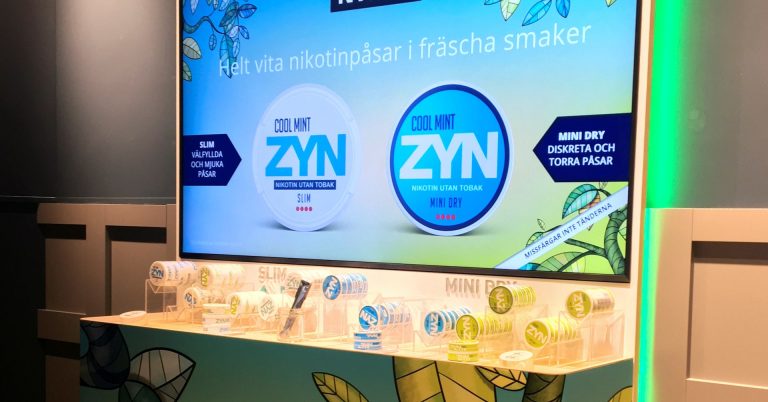
With their combined market presence, the new entity would likely enjoy considerable bargaining power with major tobacco manufacturers, potentially enabling negotiations for better pricing and promotions on popular products like ZYN nicotine pouches. This could alter the pricing strategy of tobacco brands, allowing c-stores to offer competitive rates to consumers.
The Impact of Health Risks and Pricing Hikes
The decline in cigarette consumption can be attributed to heightened health awareness and significant price increases. For example, from 2019 to 2024, the price for a pack of Marlboro increased by nearly 30%, reaching $9.27. Regulatory taxes further exacerbate costs, pushing consumers toward more affordable alternatives.
Tobacco’s Role in C-Store Sales
Convenience stores have historically controlled over 70% of tobacco purchases in the U.S. However, competitors, including Walmart and others, have begun to phase out cigarette sales in certain locales, further affecting traditional revenue streams. In 2023, cigarettes accounted for 21.5% of total convenience store sales, while vaping and smokeless tobacco products made up about 8% of sales.
Facing Challenges from Discount Options
Despite the potential advantages of a larger combined retailer, competition from discount cigarette retailers remains significant. Independent shops frequently sell cheaper brands, and collaborations between major c-stores and tobacco companies can limit their ability to negotiate on pricing or compete with these lower-cost options.
Emerging Trends in Nicotine Products
As conventional smoking declines, nicotine pouches are emerging as a lucrative market segment, led primarily by brands like ZYN. Couche-Tard’s strategy has successfully targeted this growing demographic by making adjustments in pricing and enhancing customer loyalty programs. The company’s focus on nicotine products has yielded notable revenue increases.
The Future of Tobacco Marketing
Beyond traditional cigarettes, the tobacco sector’s future is likely to center around innovative nicotine alternatives. A larger convenience store entity will almost certainly possess significant advantages for advertising these products—particularly around checkout areas, where marketing efforts are still legally permitted.
Conclusion
In conclusion, the intersection of declining cigarette sales, the rise of alternatives, and the potential consolidation of Circle K and 7-Eleven positions the U.S. tobacco retail landscape at a pivotal moment. The ability of these chains to navigate these changes effectively will be critical to maintaining market dominance amidst evolving consumer behavior and competitive threats.


0 Comments