
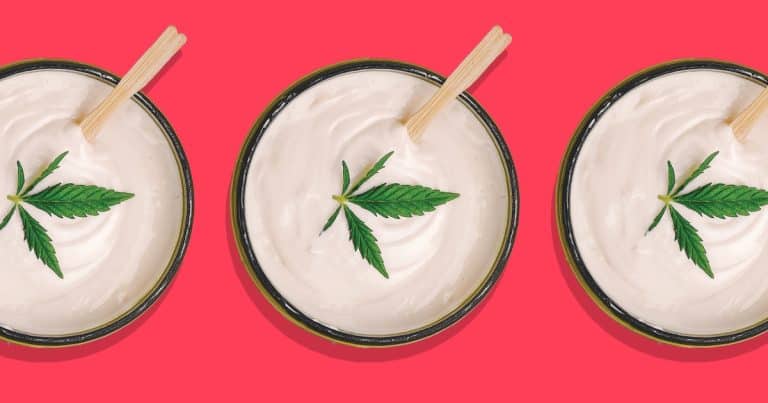

The Exploding Market of CBD Topicals: Navigating a New Frontier
The landscape of cannabidiol (CBD) products has expanded significantly, with recent trends indicating a marked shift towards topical formulations. While many consumers traditionally associate CBD with edible supplements like gummies and oils, major retailers are now focusing on topical solutions due to regulatory challenges surrounding ingestible products. This article explores the rise of CBD topicals, their market potential, and what they mean for both consumers and retailers.
Topical CBD Products: A Growing Market
Topical CBD products have become a significant player in the overall CBD market. According to Nielsen data, topical products constitute an astounding 49% of CBD offerings in traditional retail settings. This shift surprised many industry insiders, who were unprepared for such a rapid growth in this category. Vincent Gillen, VP of Sales for Global Widget, reflects on this trend, saying, “This past year, topicals being such a big talk was something we weren’t expecting.”
Market Predictions: Beauty and Wellness
Market analysts are predicting an impressive growth trajectory for CBD-infused beauty products. For instance, London-based GlobalWebIndex forecasts total sales will reach $1.6 billion within the next year, which could comprise 7% of the global beauty market. Over the next ten years, analysts like Stephanie Wissin from Jefferies anticipate that this sector could explode to a staggering $25 billion, capturing as much as 15% of overall beauty sales.
The Spectrum of Topical Products
When it comes to the types of topical CBD products available, the options are diverse and expanding. They can generally be categorized into two key areas:
- Pain Management: Products designed to alleviate pain and inflammation include creams, salves, roll-ons, sprays, and patches.
- Beauty and Wellness: A variety of beauty-related products are now infused with CBD, ranging from eye creams and deodorants to hair-care items and aftershave lotions.
According to Ashley Grace, CMO of HempFusion Inc., innovations in the CBD space are continually emerging, with new subcategories that focus on functional benefits like sleep, energy, and stress relief. For example, bath products have gained immense popularity, with bath bombs selling particularly well among grocery customers.
The Mechanism Behind CBD
Despite the enthusiasm surrounding CBD-infused products, questions regarding their effectiveness remain. During an early FDA hearing, representatives challenged CBD cosmetic claims, asking what it truly meant for a product to be “more effective.” Some benefits that researchers have attributed to topical CBD applications include potential relief from conditions like psoriasis and acne due to their anti-inflammatory properties.
Blake Patterson, founder of MarketHub, clarifies, “They deal with the inflammation of the skin, the inflammation of muscles and ligaments or joints.” He notes that some specialized products allow CBD to penetrate the skin and enter the bloodstream, providing a targeted approach to discomfort.
As for beauty products, even those whose primary focus isn’t pain relief can still contribute to relaxation and stress relief, fitting into a holistic wellness routine.
Retail Landscape: Benefits for Sellers
For retailers, the rising acceptance of topical CBD products presents a lucrative opportunity. While the FDA continues to grapple with how to regulate CBD in foods and beverages, topicals remain a largely unrestricted category, making them an attractive option for retailers. Grace points out, “Currently, topicals are being accepted much more rapidly than are ingestibles.”
Furthermore, state and local regulations on edible CBD products continue to complicate market entry. Certain jurisdictions, like California, have imposed strict restrictions on the sale of CBD derived from cannabis, thereby creating a greater demand for safe and compliant topical alternatives.
Conclusion: A Bright Future for Topical CBD
The landscape of CBD products is in constant flux. As the regulatory environment around ingestibles remains ambiguous, the topical market is poised for rapid growth. With innovative products continuously entering the market and increasing consumer acceptance, retailers and manufacturers are eager to capitalize on this burgeoning sector. From pain relief to beauty treatments, topical CBD products are creating a new wave of opportunities that may well define the future of CBD.
What are the most common forms of topical CBD products?
How does topical CBD enter the body?
What potential benefits do topical CBD products offer?
Are topical CBD products subject to FDA regulation?
The Rise of Topical CBD: An Emerging Trend in the Wellness Market
The CBD market is evolving and diversifying rapidly, especially with the growing popularity of topical products among consumers. As restrictions on edible CBD products increase, topical solutions stand out as accessible alternatives that appeal to various demographics.
Understanding the Topical CBD Market
With a surge in consumer interest, retailers are discovering that topical CBD products like creams, gels, and sprays have a unique identity separate from edible forms. As Global Widget’s Gillen points out, many retailers are shifting their focus to topical products because these do not fall under the same regulatory scrutiny as edibles. “Numerous California retailers have tried our different topicals because they cannot carry edibles,” he stated. This reality paves the way for the rise of topicals as a go-to option for consumers wary about ingesting CBD.
The Benefits of Topical CBD Products
As CBD matures into mainstream culture, products that target wellness and self-care are capturing consumers’ attention. Remarks from Sandy Livingstone of GlobalWebIndex emphasize the importance of these products standing out in a crowded market. “Brands that manage to achieve long-term success will likely be those that can distinguish themselves from the gray area of healthcare and emphasize more lifestyle benefits,” she noted. The focus on personal care allows brands to market CBD benefits aligned with wellness in a way that avoids controversial legal discourse.
A Trusted Consumer Alternative
Topical CBD products are quickly becoming a preferred option for consumers who might be hesitant to try ingestible forms due to various concerns regarding quality and legality. As Gillen elaborated, “Our topical Pain Freeze gel has been one of our top-selling items across all demographics.” The capacity for these products to offer immediate relief without the restrictions associated with consuming CBD makes them a more attractive choice.
Launching a Topical CBD Set
Partnering with the Right Suppliers
Retailers looking to dive into the topical CBD market must carefully vet their partnerships with product manufacturers. Ahlemeyer emphasizes the importance of working with established brands familiar with regulated markets. These companies need to comply with local laws and manufacturing standards while being willing to adapt to the grocery sector’s unique expectations.
Key Factors to Consider
According to Ahlemeyer, there are several critical elements that retailers should assess when curating their topical CBD offerings:
- Ingredients: Safety and consumer preference are paramount, especially in products applied to the skin. Consumers increasingly look for transparency in ingredient lists. Many lotions and creams developed for a dispensary environment may have strong “hemp-y” odors that might not appeal to mainstream grocery shoppers.
- Price: While many consumers are willing to try CBD products, high price points can deter trial use. Recommendations suggest offering items in the $10 to $20 range to encourage first-time buyers and foster brand loyalty.
Creating a Comprehensive Product Offering
Patterson, another industry expert, stresses the need for retailers to treat these products as a comprehensive line. “If you’re going to do a topical-only set, supply the forms: lotions, bath bombs, patches, etc. But also supply the needs: pain, calming, first aid,” he advises. This approach ensures that customers are introduced to a wide array of solutions that can cater to their specific needs.
Market Trends and Future Speculations
As the CBD industry continues to evolve, topical products are paving paths toward greater acceptance and usage among the general public. Their non-ingestible nature provides a low-risk entry point for many consumers, including older adults who may otherwise steer clear of CBD. This shift in consumer behavior reflects an underlying trend — an increasing demand for natural wellness solutions and personal care products that resonate with health-focused lifestyles.
Conclusion
In summary, the trajectory of the topical CBD market is promising, fueled by legal considerations and the growing consumer preference for external applications. Brands that successfully navigate this landscape by focusing on quality, transparency, and consumer engagement will likely solidify their places in the evolving wellness market.


0 Comments