
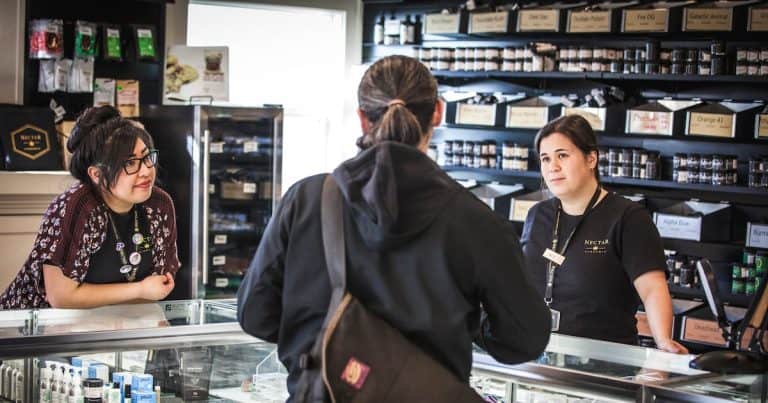

Oregon’s Cannabis Workforce: The Path Toward Unionization
The landscape of Oregon’s cannabis industry is on the brink of a pivotal transformation. As the state gears up for the November ballot, voters will face a critical question: Should workers in Oregon’s cannabis sector be granted the right to unionize? This issue stems from ongoing challenges within the industry, compounded by legislative debates and significant financial implications for workers.
The Legislative Journey
The road to this upcoming vote has been tumultuous. Last year, the Oregon Legislature considered a bill aimed at enhancing labor protections for cannabis workers. However, the proposal failed to pass amid concerns regarding its compliance with federal labor laws. Rep. Paul Holvey, the House Business and Labor Committee chair, allowed House Bill 3183 to lapse, citing advice from the Legislative Counsel’s Office regarding its potential legal conflicts.
This decision sparked backlash from labor unions, notably the United Food & Commercial Workers (UFCW), which had been a strong advocate for the rights of cannabis employees. In response, the UFCW initiated a recall campaign against Holvey, who ultimately survived the attempt. However, this political tussle culminated in his decision to retire, leaving an important void in the discussion surrounding cannabis labor rights.
Measure 119: A Response to Inadequate Protections
Undeterred by previous setbacks, the UFCW has mobilized efforts to place a ballot initiative before Oregon voters. With a considerable investment of $2.24 million dedicated to a signature gathering campaign, the union successfully garnered enough support for the initiative, which will now appear on the November ballot as Measure 119.
The initiative seeks to address what the UFCW describes as an imbalance in labor protections within the cannabis industry. According to UFCW Local 555 president Dan Clay, “Workers across every industry should have the freedom to unionize if they so choose. This ballot measure closes an age-old loophole that deprives that right to thousands of Oregon cannabis workers.”
The Current State of Oregon’s Cannabis Industry
Oregon’s cannabis market has experienced dramatic fluctuations since the legalization of recreational use in 2014. Initially characterized by optimistic growth, the industry has recently faced severe challenges, particularly regarding oversupply. An influx of cannabis products has led to plummeting prices, creating significant distress among businesses that have expanded without sufficient market support. Companies such as La Mota and Chalice exemplify the struggles faced by many in the industry today.
La Mota’s plight, which earned the company headlines for its controversial political connections, reflects how deeper issues within the cannabis sector can have cascading effects on the workforce. The intersection of burgeoning cannabis businesses and regulatory complications has resulted in job losses and uncertainty for many employees. A report from the Oregon Employment Department revealed that employment in the cannabis sector had decreased from its peak, with around 7,671 workers currently employed as of late 2022.
The Wider Context of Labor Rights
As the measure moves to the ballot, it reflects a broader narrative about workers’ rights, particularly in industries facing instability. The cannabis industry, often touted for its promising future, illustrates that legal freedoms do not always translate into equitable labor practices. Workers in Oregon’s cannabis sector have fewer protections compared to their peers in other states, and many believe that unionization could provide the support necessary to navigate the difficult terrain of the cannabis market.
The Support for Unionization
Support for Measure 119 reflects a growing sentiment among Oregon residents advocating for workers’ rights and protections. Unionization is seen as a vital step toward ensuring that employees have a voice in their employment conditions, wages, and overall job security.
Moreover, the success of this measure could set a precedent for other states grappling with similar labor issues in their own cannabis industries. As the stigma surrounding cannabis continues to dissipate, the attention turns to maintaining fair labor practices amid changing market dynamics.
Conclusion
As voters prepare to weigh in on Measure 119 this November, the implications of their decision will resonate throughout Oregon’s cannabis industry and beyond. The outcome may not only impact workers’ rights within the state but could also inspire broader movements in labor standards across the country.
Frequently Asked Questions
1. What is Measure 119?
Measure 119 is a ballot initiative that seeks to grant workers in Oregon’s cannabis industry the right to unionize, addressing gaps in labor protections commonly afforded to workers in other sectors.
2. Why did the initial bill concerning cannabis labor protections fail?
The bill was not passed because it was believed to potentially violate federal labor laws, leading to discussions and scrutiny at various levels of the state government.
3. What challenges is the Oregon cannabis industry currently facing?
The industry is struggling with oversupply issues, resulting in lower prices and financial difficulties for various cannabis businesses, affecting employment and job security.
4. How might unionization benefit cannabis workers?
Unionization could empower cannabis workers by providing them a platform to negotiate better wages, working conditions, and job security, ultimately enhancing their rights and protections in the workplace.


0 Comments