

Oklahoma’s Cannabis Report Sparks Controversy Over Overproduction Claims
In recent developments, a report commissioned by Senator James Lankford and filed by the Texoma High Intensity Drug Trafficking Area has stirred considerable debate regarding the accuracy of marijuana production claims in Oklahoma. Advocates from the organization Oklahomans for Responsible Cannabis Action (ORCA) are pushing back against assertions that the state is experiencing an overproduction crisis, describing these claims as inflated and misleading.
The Claims of Overproduction
Jed Greene, a spokesperson from ORCA, has publicly criticized the report, stating, “The numbers are absolutely all wrong.” He argues that the report presents an inaccurate picture of Oklahoma’s marijuana production landscape and needs thorough re-evaluation.
Understanding the Data
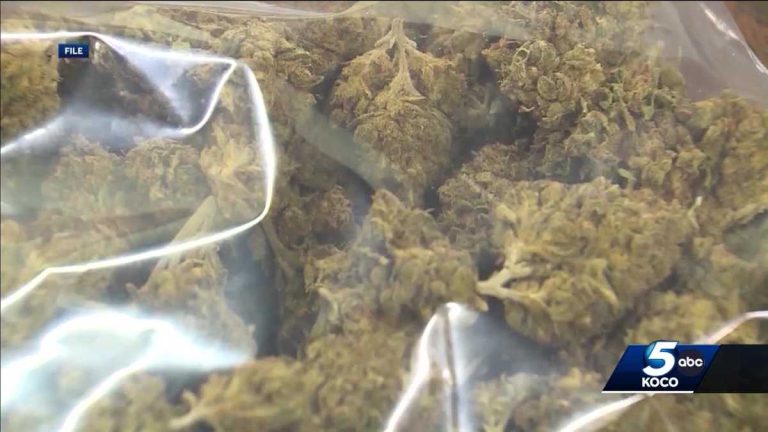
Greene has indicated that the data used in the study relies heavily on freshly cut plants which can weigh significantly less once dried. Specifically, he points out that a marijuana plant can lose up to 75% of its weight during the drying process, which was not accurately reflected in the report. This oversight leads to inflated overproduction figures that unfairly represent the current state of marijuana cultivation.
Furthermore, Greene mentions that the study overlooks important factors such as the byproducts of marijuana cultivation. “It does not take into account the stalks, stems, and fan leaves that are composted or sent to waste,” he noted. Additionally, it fails to consider the amount of cannabis used for concentrates, further exaggerating the statistics surrounding overproduction.
Violent Crimes Tied to State Claims?
The report also discusses rising violent crimes in Oklahoma, suggesting a correlation with marijuana operations. However, Greene refutes this assertion by emphasizing the context in which the crime data was collected—from 2019 to 2023, a period marked by the COVID-19 pandemic. During this time, many individuals were confined to their homes due to quarantine, which likely contributed to increased domestic violence and other crimes.
The Impact of Global Events
“It was the pandemic,” Greene stated. “Everyone is starved up at home in quarantine together. You’re going to have a lot higher incidence of anything from domestic violence to property crimes.” By placing the blame for rising crime rates directly on the marijuana industry, Greene believes the report mischaracterizes a complex societal issue, failing to capture the nuances introduced by the global health crisis.
Teen Drug Testing Misunderstandings
Another aspect of the report that Greene highlights is the connection made between marijuana use and teen fatalities in car crashes. He asserts that the testing methods used do not prove impairment at the time of the incidents. Instead, THC metabolites can remain in an individual’s system for weeks, misrepresenting their actual state during fatal accidents.
Clarification of THC Testing
When testing is performed post-mortem, it does not indicate whether the individual was actively impaired at the time of the incident. Greene states, “They’re testing for THC metabolites, which remain in your system for up to three weeks after consumption.” This fact complicates the narrative that associates cannabis use with increased risk and danger on the roads, making it essential for these details to be contextualized accurately.
Fostering Informed Conversations
Following the criticisms levied by ORCA, KOCO 5 reached out to both the Oklahoma Bureau of Narcotics (OBN) and Senator Lankford’s office for commentary regarding these claims.
The OBN, which aims to analyze and manage drug-related issues in the state, has so far declined to comment on the allegations made against their report, and as of now, Lankford’s office has not provided any feedback regarding Greene’s statements. This silence draws attention to the growing need for dialogue and understanding on the issue, especially as more states explore the legalization of recreational marijuana.
Conclusion: A Need for Reevaluation
As the discussion around cannabis legislation continues in Oklahoma, the importance of accurate data and clear communication cannot be understated. Advocates like Jed Greene from ORCA stress the need for transparency and integrity in reporting that reflects the true state of the cannabis industry. Fair assessments will not only aid in demystifying the conversations surrounding marijuana but also help in shaping responsible cannabis policies for the future.

0 Comments