

Understanding the Link Between Cannabis Use Disorder and Psychosis: Insights from Recent Research
A newly published study in JAMA Psychiatry provides invaluable insights into how cannabis use disorder (CUD) is correlated with significant changes in brain activity, particularly relating to psychosis. Conducted by leading researchers from the London Health Sciences Center Research Institute and Western’s Schulich School of Medicine & Dentistry, this research highlights critical findings that both clinicians and the public must understand.
The Research Framework
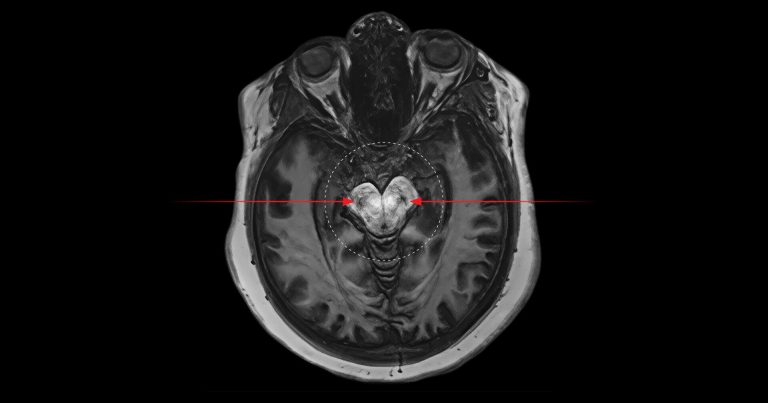
This comprehensive study utilized advanced brain imaging techniques to examine the effects of long-term cannabis use on the brain’s structure and function. It specifically focused on how frequent cannabis consumption can increase dopamine levels in brain regions associated with psychosis, such as the substantia nigra and the ventral tegmental areas.
Key Findings on Dopamine and Psychosis
The research revealed that individuals with CUD displayed elevated levels of dopamine—a key neurotransmitter responsible for mood regulation, motivation, and learning. This excess dopamine may disrupt normal brain functions and intensify the risk of psychosis, particularly among those who are already predisposed to mental health conditions.
“We now have evidence that shows a straight line linking cannabis with dopamine and psychosis that has never been shown before,” explained Lena Palaniyappan, a senior author of the study. “It’s crucial that clinicians, patients, and families work together to break this line.” This understanding of dopamine’s role offers a glimpse into potential preventive measures or treatment options for CUD and related disorders.
The Neuromelanin Connection
Using a unique methodology known as neuromelanin-sensitive magnetic resonance imaging, researchers were able to observe the accumulation of neuromelanin—a black pigment indicative of dopamine activity—in the brains of subjects. Those who engaged in excessive cannabis use exhibited noticeably darker spots compared to healthy individuals of the same age, suggesting abnormal dopamine levels.
“In people using cannabis excessively, those spots are blacker than what they should be for their age,” Palaniyappan noted, indicating that some subjects showed signs of neurological aging typically seen in individuals a decade older.
The Study Participants
The study encompassed 61 participants aged 18 to 35, including both individuals with cannabis use disorder and those diagnosed with schizophrenia. This comprehensive approach allowed researchers to examine the neurobiological markers associated with CUD and its psychotic manifestations.
“We saw an increase of blacker spots in a particular region of the midbrain associated with psychosis,” stated Ali Khan, a professor at Schulich Medicine & Dentistry. This was evident irrespective of whether the individuals had recently experienced their first schizophrenic episode.
Trends in Cannabis Use and Psychotic Episodes
Since the legalization of cannabis in recent years, there has been a concerning rise in psychosis cases among adolescents. Health professionals have observed that some youth experience multiple brief episodes of cannabis-induced psychosis, which can escalate into more serious conditions over time.
“We’re trying to counsel adolescents within that first episode that they’re pushing their brain towards a major episode,” Richard emphasized. The need for education and early intervention against mental health deterioration in young cannabis users is more pressing than ever.
Implications of the Findings
Schaefer’s reflections on the study’s outcomes highlight the pressing need for public health awareness regarding cannabis use and mental health. The findings advocate for further research and should stimulate policy modifications aimed at promoting safe cannabis use in society. Jessica Ahrens, the lead author, hopes that these insights will empower both patients and healthcare providers to explore alternatives to cannabis for coping mechanisms.
“I hope these findings lead patients and healthcare providers to better understand the implications for health care options other than cannabis,” Ahrens stated.
Conclusion
The correlation between cannabis use disorder and psychosis presents new challenges and responsibilities for healthcare providers, policymakers, and consumers alike. It is essential to recognize the potential risks that come with cannabis usage, especially as it becomes more normalized in society. Future research will be crucial in further elucidating these connections and developing effective strategies to mitigate risks associated with cannabis use.


0 Comments