

Shifting Sands: Bulgaria’s Legislative Journey Towards Vaping Restrictions
The landscape of vaping regulation in Bulgaria is currently in flux, with key legislative movements indicating potential future product restrictions. Initially, a bold legislative proposal sought to impose a blanket ban on all vaping products, but the National Assembly is now exploring more nuanced options.
Initial Legislative Proposal
On February 12, the Bulgarian National Assembly made headlines when it unanimously voted 197-0 in favor of a bill aimed at banning the sale, distribution, and advertising of all vaping products, including those without nicotine. This sweeping approach reflected a growing concern about the health implications of vaping, particularly among the youth.
Shift in Legislative Strategy
However, reports from Bulgarian bTV News indicate that legislators have recently reconsidered their initial stance. Less than two weeks after the vote, discussions have pivoted towards potentially banning only disposable vapes or possibly restricting flavored products. This change appears to stem from practical concerns regarding compliance with European Union regulations and the complex notification process involved.
The Role of the European Commission
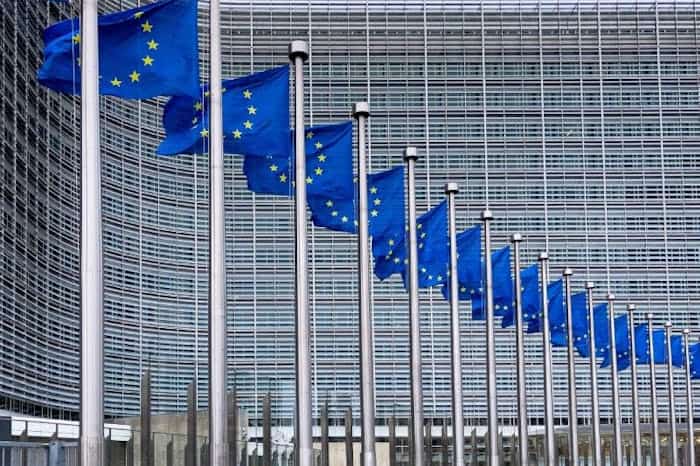
Any product restrictions proposed by Bulgaria must be communicated to the European Commission through the EU’s Technical Regulations Information System (TRIS). This requires notifying other EU member states and providing a three-month period for objections to be raised. If objections arise, Bulgaria may face delays in implementing any proposed bans.
Kostadin Angelov, the chair of the health committee in the National Assembly, expressed the intent behind these discussions, stating, “Our main goal is to achieve this effective ban on vaping in the country; at the same time, we understand that if we do it the way we have done it, it will probably take a long time for the [TRIS] notification of the law.” This indicates an acute awareness of both domestic and EU-level regulatory frameworks that could impact legislative effectiveness.
Focus on Disposable Vapes and Flavored Products
The prospect of banning disposable vaping products or flavored options could be more easily navigated through the TRIS process, as the European Commission has previously allowed such restrictions. As noted, barring unforeseen challenges, Bulgaria could implement these restrictions within as little as three months. This more targeted approach may mitigate public backlash and streamline the legislative process.
Challenges of a Comprehensive Vaping Ban
On the contrary, attempting to impose a total ban on all vaping products is fraught with challenges. Given that these products are currently legal and regulated under EU law, such a blanket ban would likely contravene the principles of the EU’s single market. This could be interpreted as a significant infringement upon the rights conferred on EU member states, complicating the legislative landscape considerably.
To date, no EU member country has pursued an outright ban on vaping products since they became legal under the 2014 Tobacco Products Directive (TPD). The TPD has effectively established protections for both manufacturers and consumers, thereby preventing entire categories of regulated products from being entirely prohibited.
What Lies Ahead for Vaping Regulations in Bulgaria?
As Bulgaria navigates this complex regulatory terrain, the focus appears to be moving towards more limited, targeted measures aimed at curbing specific aspects of vaping rather than total prohibition. This approach may reflect a growing recognition of the realities of EU regulation and the importance of balancing public health concerns with the rights and choices of consumers.
Conclusion
With the ongoing discussions surrounding vaping regulation in Bulgaria, the legislative path forward remains uncertain but intriguing. The potential shift from a total ban to a more considered approach to product restrictions highlights the challenges of harmonizing national regulations with overarching EU laws. As developments continue to unfold, stakeholders will be watching closely to see how Bulgaria ultimately addresses the complex dynamics of vaping regulation.


0 Comments