
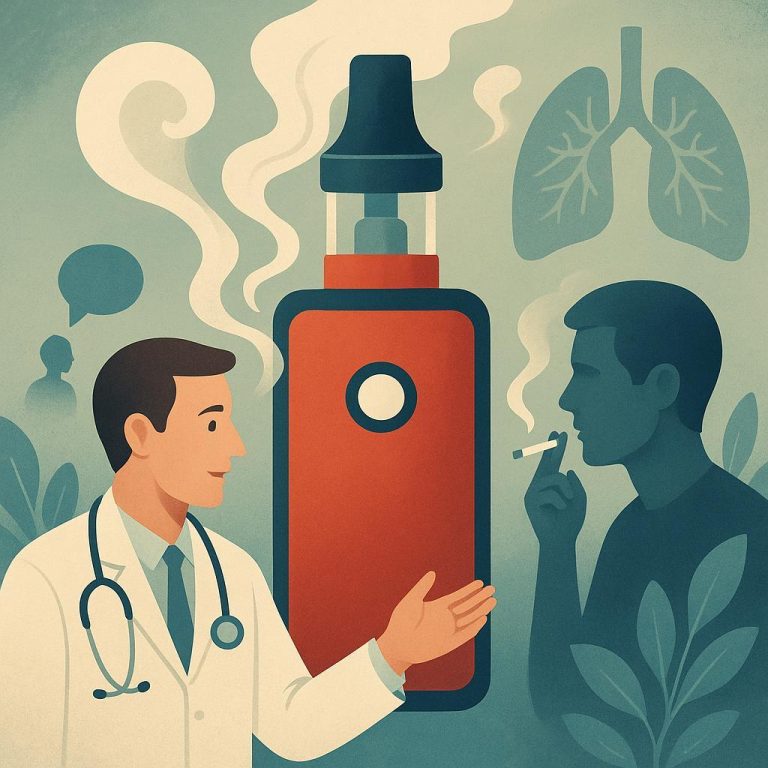

JAMA Publishes Guidance for Doctors to Discuss Vaping With Smokers
The Journal of the american Medical Association (JAMA) has published new guidance to help doctors talk about vaping with their patients who smoke. As e‑cigarettes and vaping devices become more common, many smokers are asking whether switching to vaping can help them quit customary cigarettes. This new JAMA guidance aims to bring clarity, consistencyand evidence-based advice to these important conversations in the clinic.
In this article, we’ll unpack what the JAMA guidance says, why it matters, and how both healthcare professionals and patients can use it to support safer, more effective smoking cessation.
Why JAMA’s Vaping Guidance Matters
The rise of vaping has created a interaction gap between patients and clinicians. Many people who smoke hear mixed messages: some say vaping is a safer choice, others say it is just as bad or worse. The new JAMA guidance offers clinicians a structured, science-based way to talk about:
- The relative risks of vaping vs. smoking
- How vaping fits into smoking cessation strategies
- How to protect youth and non-smokers from nicotine addiction
- How to support harm reduction for adults who smoke and cannot or will not quit instantly
By standardizing how doctors discuss vaping with smokers, JAMA is helping to ensure that patients receive clear, practicaland balanced information at the point of care.
Key Points From the JAMA Vaping Guidance
While different articles and viewpoints in JAMA may vary in emphasis, common themes have emerged around how doctors should approach the topic of vaping with adult smokers.
1. Prioritize Complete Smoking Cessation
The guidance emphasizes that the main clinical goal is still complete cessation of combustible tobacco. Smoking causes the vast majority of tobacco-related disease due to tar, carbon monoxideand thousands of toxic combustion byproducts.
Doctors are encouraged to:
- Offer FDA-approved cessation therapies first (nicotine replacement therapy, varenicline, bupropion)
- Combine medication with behavioral counseling and follow-up
- Set a clear quit date and monitor progress
2.Acknowledge Harm Reduction for Adult Smokers
For adult smokers who have tried and failed with standard treatmentsor who refuse medications, JAMA guidance suggests that physicians may consider discussing vaping as a potential harm-reduction option, while being transparent about uncertainties.
Key messages include:
- Vaping is highly likely less harmful than continued smoking for adults who currently smoke, as it eliminates combustion.
- Vaping is not risk-free.Long-term health effects are still being studied.
- the best outcome is to eventually stop both smoking and vaping altogether.
3.Strongly Discourage Vaping for Youth and Non-Smokers
JAMA is clear that non-smokers and young people should not start vaping. Nicotine exposure during adolescence can affect brain development and increase addiction risk. Doctors are encouraged to screen for vaping among teens and young adults and provide education on the risks.
4. Use shared Decision-Making
Doctors are advised to use a shared decision-making approach when counseling smokers about vaping:
- Explore the patient’s smoking history, previous quit attemptsand preferences
- Discuss the known risks and benefits of e‑cigarettes compared with cigarettes
- agree on a plan that aims for harm reduction and, ideally, nicotine cessation over time
how Doctors Can Talk About Vaping With Smokers
The JAMA guidance encourages clinicians to integrate vaping discussions into routine tobacco-use counseling. Below is a simple framework that can be adapted in practice.
| 1. Ask | Assess smoking & vaping use | “Do you smoke, vapeor use any nicotine products?” |
| 2.Advise | Recommend quitting smoking | “The best thing for your health is to stop cigarettes completely.” |
| 3. Discuss | Explain vaping vs. smoking | “Vaping might potentially be less harmful than smoking, but it isn’t harmless.” |
| 4. Plan | Choose a cessation or harm-reduction strategy | “Let’s find the safest approach that fits you and set a quit goal.” |
| 5. Follow up | Monitor progress and adjust | “We’ll review how this is going at your next visit.” |
what Smokers Need to Know About Vaping
For readers who smoke and are considering vaping, the JAMA guidance can be translated into a few practical points:
- If you don’t smoke, don’t start vaping. Vaping is not a harmless hobby.
- If you do smoke, quitting all tobacco and nicotine is best. Ask your doctor about approved cessation medications and counseling.
- If you switch to vaping, do it completely. Dual use (smoking and vaping together) offers much less benefit than fully replacing cigarettes.
- Use regulated, legal products. Avoid modified or black-market cartridges, which have been linked to serious lung injuries.
- Plan for the long term. Even if you use vaping to get off cigarettes, consider eventually reducing and quitting vaping too.
Comparing Smoking, Vapingand Quitting: A Snapshot
| Continued Smoking | Highest | Major cause of cancer, heart and lung disease |
| Vaping Rather of Smoking | Lower (but not zero) | May reduce exposure to toxins; long-term effects still under study |
| Complete Nicotine Cessation | Lowest | Best for long-term health and quality of life |
Practical Tips for Clinicians Discussing Vaping
To put the JAMA recommendations into practice, clinicians can incorporate these strategies into everyday care.
1. Stay Neutral and Non-judgmental
Many patients feel defensive about their smoking or vaping. Using neutral language builds trust and makes it easier to discuss behavior change.
2. Use Clear, Simple Explanations
- Differentiate between “combustible” cigarettes and “non-combustible” e‑cigarettes.
- Explain that less smoke generally means fewer toxins, but not zero risk.
- Avoid absolutes like “safe” or “risky”; rather say “less harmful” or “still carries risks.”
3.Emphasize Stepwise progress
For heavy smokers, going from a pack a day to zero overnight may feel impossible. The JAMA guidance supports realistic, stepwise harm reduction, for example:
- Reducing daily cigarette consumption
- Switching completely to a regulated vaping product
- Gradually lowering nicotine strength over time
- Setting a future goal to quit vaping as well
4.Document and Review
Recording a patient’s smoking and vaping status in the medical record, as recommended by JAMA, allows for consistent follow-up at each visit, similar to monitoring blood pressure or weight.
First-Hand Experiences: How Guidance Helps Real Patients
Consider these brief,anonymized clinical scenarios that illustrate how JAMA’s vaping guidance can shape practice:
- Patient A: A 50-year-old who smokes a pack a day,with COPD,has failed multiple quit attempts. After discussing the relative risks, the clinician and patient agree to try a regulated vaping device while stopping cigarettes completely, alongside counseling. The explicit goal: reduce harm now and work toward stopping vaping within 12-18 months.
- Patient B: A 19-year-old college student who vapes high-nicotine pods daily but never smoked. The doctor explains that vaping is not risk-free, especially for the developing brainand offers behavioral support and possibly nicotine replacement to taper off. In line with JAMA guidance, harm reduction is balanced with strong encouragement to quit nicotine altogether.
Both examples show how structured,evidence-guided conversations can personalize care and reduce overall nicotine-related harm.
Using JAMA’s Vaping Guidance to Improve Public Health
By publishing clear guidance on how to discuss vaping with smokers, JAMA supports a more nuanced public health approach. Instead of treating e‑cigarettes as either a miracle cure or a complete menace,the guidance helps clinicians:
- Recognize the potential role of vaping in harm reduction for adult smokers
- Maintain strong protections for youth and non-smokers
- Keep the primary focus on complete cessation of combustible tobacco
- Communicate uncertainties honestly while still offering practical support
Conclusion
As more patients ask whether vaping can help them quit smoking,doctors need clear,balanced,and evidence-based guidance. By publishing structured recommendations on how to discuss vaping with smokers, JAMA offers exactly that.
For clinicians, this guidance reinforces the importance of prioritizing smoking cessation, considering vaping as a possible harm-reduction tool for some adult smokersand firmly discouraging nicotine use among youth and non-smokers.For patients, it underscores a simple message: the fewer cigarettes and the less nicotine you use, the better-and the ultimate goal is a life free of tobacco and nicotine.
As research on vaping and smoking evolves, ongoing updates from trusted sources like JAMA will remain essential. In the meantime, open, informed conversations between doctors and patients are the most powerful tool we have to reduce the harms of tobacco and support healthier, smoke-free futures.


0 Comments