

The Boom of Vape and Tobacco Shops: Trends, Opportunities, and Challenges
The past decade has witnessed a remarkable transformation in the landscape of tobacco and vape shops. With a surge in demand, these specialized retail outlets have mushroomed across various regions, catering to both traditional smokers seeking alternatives and new consumers drawn in by flavored products. Understanding the factors driving this trend provides valuable insights into the current market dynamics.
Market Growth of the Vape Industry
One of the most significant aspects of this phenomenon is the rapid growth of the vape industry. This sector’s evolution is not just about the products but also the changing consumer preferences that contribute to its expansion. Many former smokers have turned to vaping as a potentially less harmful alternative, promoting a rise in specialized shops tailored to these needs.
- Attracting New Demographics: The vape industry’s appeal extends beyond ex-smokers and reaches a younger audience fascinated by the variety of flavors and branding that vaping offers.
- Consumer Demand: As the market for e-liquids and vaping devices continues to swell, retailers are motivated to expand their offerings, leading to an increase in dedicated vape shops.
Regulatory Landscape: A Double-Edged Sword
The regulatory environment surrounding tobacco and vaping products varies greatly from region to region. This inconsistency in laws and regulations can significantly shape the growth of vape shops.
- Tighter Regulations on Tobacco: In many areas, stringent controls imposed on traditional tobacco products have led consumers to seek vaping as a less regulated alternative, thereby boosting vape shop sales.
- Increased Scrutiny: Although the demand has risen, vape shops must navigate an ever-evolving regulatory landscape that poses unique challenges to retailers.
Diversity of Products: Attracting a Broader Audience
One notable characteristic of vape shops is the sheer variety of products they offer. Unlike traditional tobacco retailers that often have a limited inventory, vape shops bring diversity to the forefront.
- Flavor Varieties: Customers can choose from a wide array of e-liquids, each available in multiple flavors, making the experience of vaping more personalized and exciting.
- Devices and Accessories: Vape shops are known for their comprehensive ranges of devices and accessories, further solidifying their appeal as a go-to destination for vaping enthusiasts.
Perceptions of Health: A Mixed Bag
Vaping is often branded as a ‘safer’ alternative to smoking. While this perception has attracted many consumers, it also raises critical questions about public health.
- Consumer Beliefs: Many people believe that vaping poses fewer health risks compared to traditional smoking, which can lead to increased sales in vape shops.
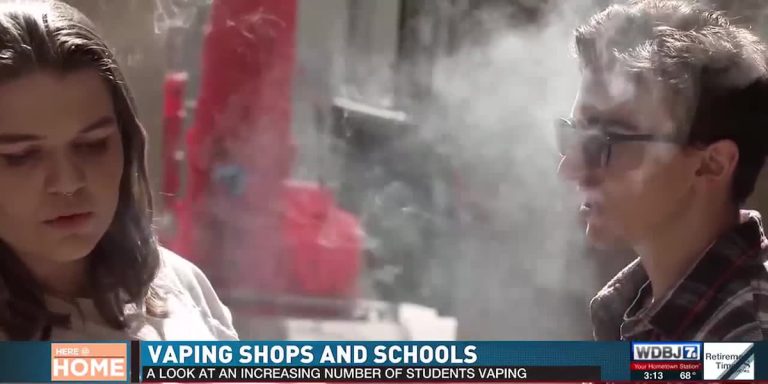
- Health Concerns: Public health officials have expressed alarm over the rise of vaping, particularly among youth, due to the unknown long-term effects of e-cigarettes.
Social and Economic Drivers
The rise of vape shops cannot be viewed in a vacuum; it is influenced by both social and economic factors.
- Affordability: Vaping devices are often seen as more cost-effective compared to traditional tobacco products, thereby attracting cost-conscious consumers.
- Cultural Acceptance: The growing acceptance of vaping within social circles has helped normalize its use, further driving demand for vape shops.
E-Commerce’s Impact on Vape Shop Growth
The advent of e-commerce has significantly altered the retail landscape, including vape shops. Many retailers saw the opportunity to expand their reach through online sales.
- Online Retail Growth: The convenience of shopping online allows customers to explore a broader range of products compared to physical stores.
- Adaptation to Changing Consumer Habits: As more consumers shift towards online purchasing, vape shops that embrace this trend can thrive in a competitive market.
Community Engagement: Building Loyalty
Beyond being retail spaces, many vape shops have embraced roles as community hubs, engaging with customers and the surrounding community through various initiatives.
- Events and Tastings: Hosting events such as tastings and educational seminars on vaping and smoking cessation not only attracts customers but also fosters a sense of community.
- Knowledge Sharing: By providing educational resources, vape shops position themselves as credible sources of information, strengthening customer loyalty.
Conclusion: Balancing Growth with Responsibility
As the vape and tobacco shop landscape evolves, opportunities for growth abound. However, this expansion must be balanced with consideration of public health and regulatory challenges. Stakeholders in this industry must engage constructively to nurture consumer choice while prioritizing safety and health. The growth of vape shops represents not just a business opportunity but a complex web of cultural, social, and economic dynamics.


0 Comments