
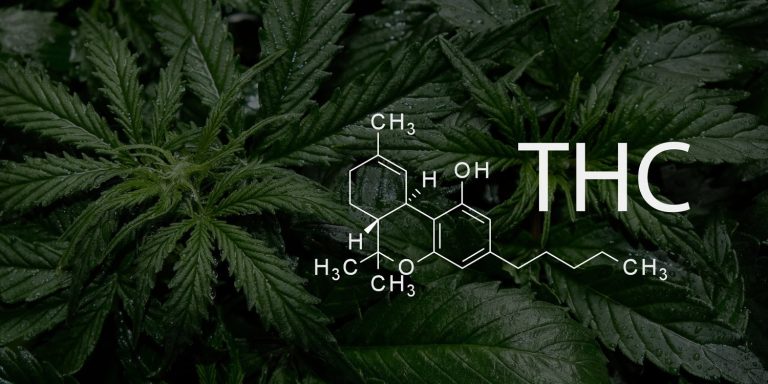

Exploring the Anti-Aging Potential of THC: New Findings from Animal Studies
Recent research from the University Hospital Bonn and Hebrew University in Israel has unveiled groundbreaking findings that suggest a possible link between tetrahydrocannabinol (THC), the primary psychoactive compound in cannabis, and cognitive rejuvenation in aging brains. Published in the journal ACS Pharmacology & Translation Science, the study highlights the potential anti-aging effects of low-dose, long-term THC treatment in aged mice.
The Role of THC in Cognitive Function
As we age, cognitive decline is a common experience, often characterized by deteriorating brain cell health and weakened neural connections. Prior studies indicated that the endocannabinoid system—a complex network of receptors and signaling molecules—plays a vital role in brain function and aging. Among these, the cannabinoid receptor type-1 (CB1) is particularly important, as its loss has been linked to a range of cognitive deficits in older organisms.
Research Design: THC and Aging in Mice
The researchers conducted an experiment using male mice divided into two age groups: young (four months) and old (18 months). For 28 days, mice received either a low dose of THC or a placebo, delivered continuously via subcutaneous minipumps. The aim was to understand how THC could potentially counteract the effects of aging on cognitive performance and brain health.
Measuring the Effects: Key Areas of Focus
The investigative team focused on several critical aspects of brain and metabolic health:
- Brain function and cognitive performance
- Levels of synaptic signaling proteins
- Overall metabolic state, including food intake, activity levels, and body weight
To gain comprehensive insights, detailed biochemical analyses were performed on the brains, blood plasma, and adipose tissue of the mice, aiming to trace how THC impacted mTOR signaling—a pathway known to influence both aging and cognitive function.
Findings: THC’s Dual-Phase Effect
The results revealed a temporary, yet significant, increase in mTOR activity in the brains of older mice treated with THC, particularly in the hippocampus, an area crucial for learning and memory. This uptick in mTOR was linked to a rise in synaptic proteins like synaptophysin and PSD-95, essential for maintaining neuron connections.
Moreover, the THC treatment significantly boosted metabolic activity in the hippocampus, driving increases in metabolites tied to energy production. This metabolic boost peaked around the two-week mark of treatment but began to stabilize by day 28.
Contrasting Effects on Adipose Tissue
In a surprising twist, THC’s effect on adipose tissue showcased a reduction in mTOR activity and amino acid levels, mirroring responses seen in caloric restriction or vigorous exercise—both associated with anti-aging effects. This discovery suggests that long-term THC treatment may incur a dual-phase impact: an initial enhancement of cognitive function that later transitions into a broader systemic shift towards energy conservation.
Implications and Future Research Directions
The implications of these findings are significant, given the potential for THC as a candidate for anti-aging therapies designed to enhance cognitive function in humans. However, the study does carry limitations. Since the research was conducted solely in mice, translating these results to human applications must be approached with caution. Further studies are essential to identify whether similar cognitive benefits can be achieved in human subjects and to assess possible long-term side effects of THC treatment.
The Necessity for Further Studies
Future research should also delve into optimal dosing and treatment duration, as the effects may vary with different parameters. Additionally, while this study did not observe CB1 receptor downregulation—often a concern with prolonged cannabinoid use—the broader physiological impacts of THC must be thoroughly explored, particularly in aging populations.
Conclusion
This study underscores the need for continued exploration into the connections between cannabis compounds and cognitive health. As understanding of the endocannabinoid system evolves, innovations in treatment approaches to combat age-related cognitive decline may emerge, opening new avenues for enhancing the quality of life in aging individuals.
Frequently Asked Questions (FAQs)
1. What is THC and how does it affect the brain?
Tetrahydrocannabinol (THC) is the primary psychoactive ingredient in cannabis, which interacts with the cannabinoid receptors in the brain to influence various cognitive and physiological processes, including memory, learning, and mood regulation.
2. Can THC help in treating age-related cognitive decline in humans?
While the initial study on mice shows promising results, more research is needed to confirm whether similar benefits can be achieved in human subjects and to explore the long-term effects of THC use in aging populations.
3. What are the potential side effects of long-term THC use?
Potential side effects of long-term THC use may include tolerance, dependency, cognitive impairment, and possible impacts on cardiovascular health. Ongoing research will help clarify the safety profile of prolonged THC therapy.
4. How does THC affect other physiological systems apart from the brain?
This study indicated different effects of THC in various tissues, such as a reduction in mTOR activity in adipose tissue. However, the complete range of THC’s effects on other physiological systems is still under investigation.


0 Comments