

Understanding the Cardiovascular Risks of Vaping: What New Research Reveals

While vaping was initially promoted as a safer alternative to smoking cigarettes, emerging research suggests that it may not be as harmless as once thought. A recent study presented at the 2024 annual meeting of the Radiological Society of North America highlights the detrimental effects of vaping on blood vessels and lung function.
How Vaping Affects Blood Flow and Oxygen Levels
According to research led by Dr. Marianne Nabbout from the University of Arkansas for Medical Sciences, vaping—even without nicotine—can significantly impair the capacity of blood vessels to carry oxygen. The study suggests that regular use could lead to chronic blood vessel disease.
The investigation involved 31 vapers and smokers aged between 21 to 49 years, each contrasting with 10 abstainers. Participants underwent MRI scans before and after sessions of smoking tobacco, vaping with nicotine, and vaping without nicotine. Notably, the results revealed:
- A considerable drop in blood flow and oxygen levels compared to nonsmokers.
- Vapers using nicotine exhibited the most pronounced decline in blood flow performance.
- Both vapers, regardless of nicotine use, and smokers experienced decreased oxygen in blood returning to the heart.
The Chemical Composition of E-Cigarettes
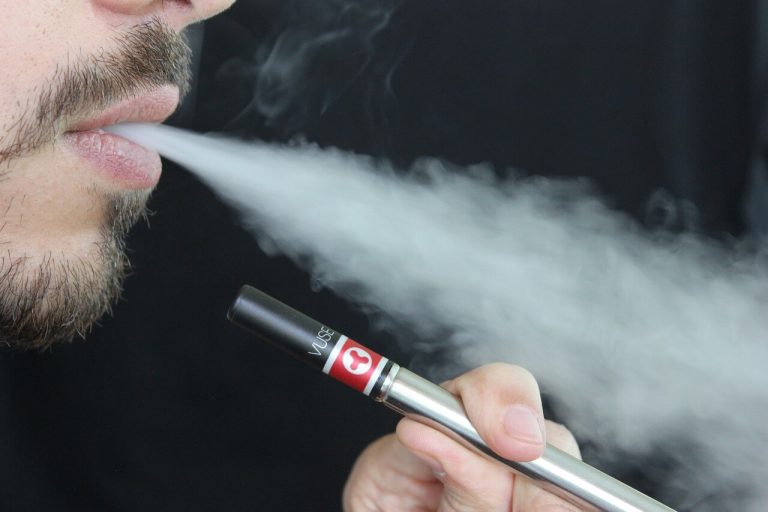
E-cigarettes operate by vaporizing a liquid, which users then inhale. This vapor can contain numerous harmful chemicals, including:
- Lead
- Formaldehyde
- Propylene glycol
- Glycerin
Despite the absence of many cancer-causing substances found in traditional cigarettes, the inhalation of these chemicals continues to adversely affect blood vessels.
The Interplay Between Vaping and Cardiovascular Health
The implications of this research resonate with findings from another study published in the journal Arteriosclerosis, Thrombosis and Vascular Biology. In this study, Dr. Matthew E. Springer and his team observed that chronic e-cigarette users may face vascular damage comparable to that of chronic smokers.
In exploring the blood samples of 120 participants, which included long-term e-cigarette users and smokers as well as non-users, researchers noted significant differences in how these blood samples reacted during inhalation:
- Different responses that impacted blood vessel functionality.
- The presence of specific circulating biological markers that indicate cardiovascular disease, which were absent in smokers’ blood.
This research suggests using both e-cigarettes and tobacco may amplify health risks beyond those associated with using either product alone.
The Significance of Good Blood Flow
Proper blood circulation is vital for providing tissues with oxygen and nutrients while also eliminating metabolic waste. Disrupted blood flow can result in severe complications including:
- Blood clots
- High blood pressure
- Stroke
These findings emphasize the potential threat that vaping poses not only to lung health but also to overall cardiovascular well-being.
Continuing Research on Vaping and Blood Vessel Health
The National Institutes of Health’s Division of Lung Diseases is actively engaged in further studies assessing the impacts of smoking, vaping, and other airway irritants on blood vessel functionality. As research develops, it is crucial for both users and potential users to stay informed about the latest findings and implications for health.
Expert Opinion
Dr. Faith Coleman, a notable health journalist and physician, emphasizes that increasing awareness of the health risks associated with vaping is essential for public understanding. Education and information dissemination are vital components in combating the misconceptions surrounding e-cigarettes.
Conclusion
The findings from recent studies underscore that vaping is not merely a benign alternative to tobacco smoking; it carries its own risks that could have serious consequences for cardiovascular health. Moving forward, it is imperative for individuals to be cautious with vaping and consider its long-term health implications.


0 Comments