

The Hidden Dangers of Sharing Vapes: A Cautionary Tale
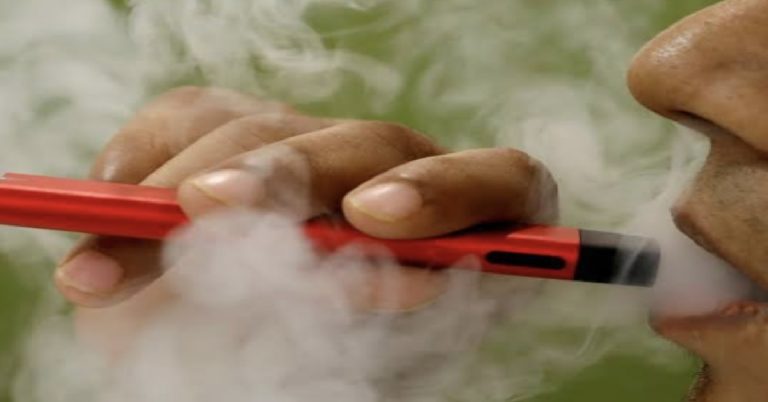
A night out can sometimes turn hazardous—especially when it involves sharing vapes. This became the reality for an 18-year-old girl named Sian, who experienced a life-threatening infection after a seemingly harmless night spent with friends.
The Incident
Sian, enjoying a night out, shared a vape with three friends, a common practice among them. However, just one day later, things took a precarious turn. She began vomiting and was covered in a rash that caused significant alarm for her mother, Kerrie Durrant. The rash was smooth to the touch and didn’t fade under pressure, prompting immediate medical attention.
Emergency Response and Diagnosis
Upon arrival at the Norfolk and Norwich University Hospital, Sian’s condition had critically worsened. Doctors diagnosed her with bacterial meningitis, a severe infection that affects the membranes surrounding the brain and spinal cord.
Signs and Symptoms to Watch For
Understanding the symptoms of bacterial meningitis is crucial for timely intervention. Common indicators include:
- Fever and severe headache
- Confusion or disorientation
- Vomiting and nausea
- Photosensitivity
- Seizures in severe instances
A Medically Induced Coma
In an effort to stabilize her condition, Sian was placed in a medically induced coma for four days. This traumatic experience highlights the severity of bacterial meningitis, which can escalate rapidly and require immediate medical care.
Understanding Bacterial Meningitis
Bacterial meningitis can be life-threatening, mainly because bacteria like Neisseria meningitidis, Streptococcus pneumoniae, and Haemophilus influenzae type b (Hib) can invade the bloodstream and lethally infect vital brain and spinal cord membranes.
Causes and Transmission
This type of meningitis is primarily caused by various bacteria, often transferring through respiratory droplets or throat secretions from an infected person through close contact, which may include sharing vapes, drinks, or any intimate interactions.
Complications Following a Diagnosis
Should bacterial meningitis go untreated or inadequately managed, severe and sometimes fatal complications can arise, including:
- Brain damage and permanent disabilities
- Hearing impairment
- Impaired vision
- Seizures and epilepsy
- Mortality in extreme cases
Treatment Options
Immediate medical response is critical. Treatment typically involves:
- Intravenous antibiotics to combat the infection
- Supportive care, including fluid management and oxygen therapy
Preventive Measures
Preventing bacterial meningitis can be achieved through various means:
- Vaccination against bacterial strains like meningococcal and pneumococcal conjugate vaccines
- Practicing good hygiene, which includes regular handwashing and avoiding contact with sick individuals
Conclusion
Thankfully, Sian’s story has a positive ending as she recovered well and was discharged after two weeks. Her experience serves as a stark reminder of the dangers associated with bacterial meningitis and the importance of seeking immediate medical attention when any concerning symptoms arise.
Read More:
Feeling Colder Than Others In A Room In Winters? It Cold Be The Lack Of This Vitamin


0 Comments