
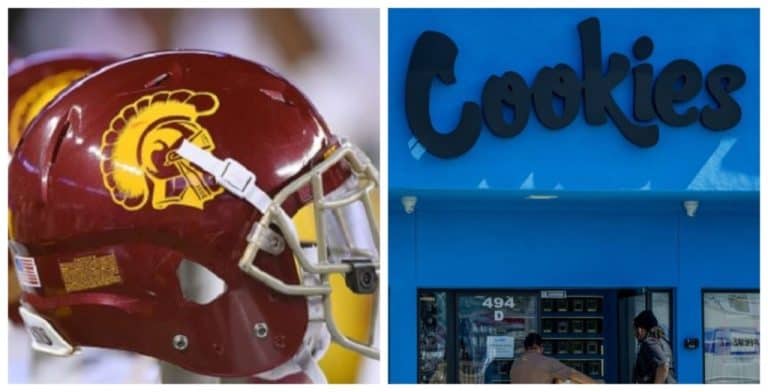

The Historic Partnership Between USC and Cookies: A Revolutionary Step for College Athletics
In a groundbreaking move for collegiate sports, the University of Southern California (USC) has made headlines by partnering with Cookies, a rapidly expanding cannabis and CBD company. This unique partnership represents a significant shift in the traditional landscape of college athletics, particularly in the aftermath of the COVID-19 pandemic, which left many educational institutions seeking innovative revenue solutions.
Context: The Changing Landscape of College Sports
As traditional income streams began to dwindle, universities like USC recognized the urgent need to explore new avenues for generating revenue. Traditional marketing partnerships underwent scrutiny, and institutions were encouraged to adapt to the new reality. The historic deal with Cookies is evidence that USC is at the forefront of this transformation.
The Significance of the Cookies Partnership
USC’s partnership with Cookies marks it as the first college athletics department to collaborate with a cannabis company. This groundbreaking deal, which aligns specifically with the CBD market and not THC products, reflects the university’s progressive approach in navigating emerging markets while maintaining its traditional values.
Overcoming Stigmas and Concerns
The journey to establish this partnership was not without its challenges. According to USC Sports Properties Vice President Drew DeHart, historical stigmas surrounding cannabis and marijuana still pose hurdles, particularly given that marijuana remains illegal at the federal level. Despite potential backlash from certain segments of the university’s fan base, DeHart emphasized the necessity of adapting and innovating rather than becoming stagnant.
Marketing Focus: No Product Exchange
It’s crucial to note that this partnership is strictly marketing-based. No Cookies products will be distributed to USC players or training staff, reinforcing the message that this association is about increasing awareness surrounding alternative plant medicine and eliminating outdated stigmas. Cookies will be recognized as an “official CBD sponsor,” leveraging brand visibility during games and on social media platforms.
Future Implications for College Athletics
The landscape of college athletics is changing rapidly, especially with ongoing legal battles over athlete compensation. Revenue sharing models, such as those under consideration in the House v. NCAA antitrust case, could pave the way for universities to explore even more lucrative partnerships as athletic departments anticipate future financial strain. If successful, these legal changes may lead USC to share up to $20 million with its athletes by the 2025-26 academic year.
Responsive to Evolving Markets
USC’s willingness to embrace unconventional partnerships, such as the one with Cookies, demonstrates its proactive stance amid increasing competition and evolving administrative pressures. DeHart’s perspective reinforces this by highlighting how important it is for USC to quickly adjust to the faster pace of change in today’s college sports landscape.
What Lies Ahead for USC and Cookies?
The official unveiling of Cookies’ branding in the Los Angeles Memorial Coliseum is just the beginning. As USC continues its relationship with various corporate partners and taps into innovative revenue streams, this unique collaboration could serve as a precedent for other colleges to follow suit.
A Cautious but Necessary Step
This move may lead to pushback due to USC’s rich history and tradition in college sports. However, there appears to be an acknowledgment from university administrators that sticking with the status quo is not a sustainable option in a fiercely competitive landscape. As USC ventures into this “adapt-or-die” era, it will be fascinating to watch how this bold partnership impacts its reputation, financial health, and overall acceptance within the collegiate sports community.
Conclusion
USC’s partnership with Cookies marks a pivotal moment in college athletics where traditional barriers are being challenged in favor of modern partnerships that resonate with today’s societal changes. As USC leads the way, it sets a new standard for how universities might think about and approach revenue generation in the future.


0 Comments