
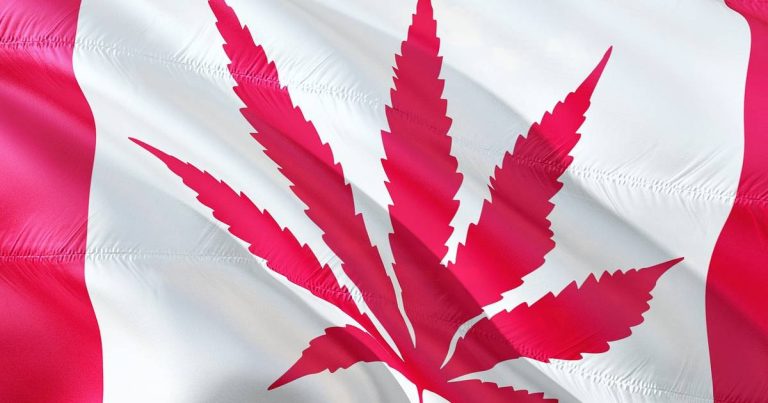

Health Canada’s Recent Amendments to Cannabis Regulations: A New Era for the Industry
Health Canada has recently made significant changes to cannabis regulations that aim to reduce the regulatory burden on producers while also enhancing diversity and competition within the industry. These changes come with the responsibility to uphold public health and safety, a critical aspect of cannabis legislation.
Key Changes to Cannabis Regulations Effective March 12
The amendments that came into effect on March 12 represent the most considerable overhaul of cannabis guidelines since legalization. The relaxed regulations encompass several aspects that could improve operational efficiency for licensed holders:
- No research licenses needed to possess up to 30 grams of dried cannabis for non-human and non-animal studies.
- Increased limits for micro-cultivation, nursery, and micro-processing licenses.
- The elimination of the requirement for a security-cleared person to be present on-site during cannabis-related activities.
- Removal of the 1-gram limit on pre-rolled dried cannabis.
- Ethyl alcohol can now be incorporated in limited quantities in cannabis extracts intended for inhalation, allowing up to 10 mg per activation.
- Denatured alcohol is now permitted in the production of cannabis topicals.
- Changes in packaging and labeling requirements were instituted.
- The notice of new product submissions for dried and fresh cannabis products is no longer mandatory.
- Altered record-keeping requirements for cannabis destruction.
- Annual reports detailing promotional expenses are not required anymore.
- Processing license holders may appoint more than two alternate quality assurance persons (QAPs).
These amendments reflect a responsive regulatory framework that not only considers the operational challenges faced by industry players but also fortifies the initiative for public safety and health.
A Glimpse at the Cannabis Market
Canada has had an established medical cannabis program since 2001, transitioning into the legalization of non-medical use in October 2018. As per the latest statistics, total sales of legal medical and non-medical cannabis reached a staggering 21,448,153 units between April 2024 and June 2024, reflecting a 7% increase from the same timeframe in 2023.
Licensed Cultivation Areas
The data for the licensed cultivation areas for 2024 is noteworthy, showcasing the expansive infrastructure supporting the cannabis industry:
- Indoor growing area: 1,331,102 m²
- Processing area: 341,682 m²
- Outdoor growing area: 601 hectares (equating to 6,010,700 m²)
While the recreational marijuana market flourishes, the medical program has seen a decline in registered patients—from 345,520 at legalization to just 180,878 by March of last year, indicating a pivot in consumer preferences.
Future Prospects: CBD in Natural Health Products
In addition to the amendments, Health Canada is currently exploring a regulatory pathway for the inclusion of cannabidiol (CBD) in Natural Health Products (NHPs). The organization is actively seeking feedback from the public and industry stakeholders, with a submission deadline set for June 5. This initiative could open new avenues for CBD-related products within the health and wellness sphere.
Conclusion
The recent amendments to cannabis regulations signify a progressive shift within the Canadian cannabis landscape. By minimizing regulatory burdens and encouraging diversity, Health Canada is backing innovation and competition, all while prioritizing the safety and well-being of the public. These changes not only pave the way for growth in the industry but also reflect a trend towards a more inclusive and robust cannabis market.


0 Comments