
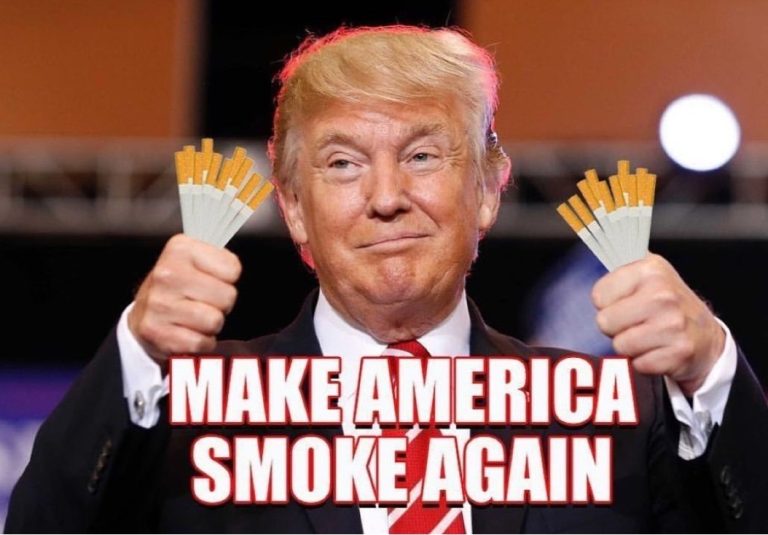

The Evolving Stance on Vaping: A Political Perspective
Vaporizing, particularly through vaping and e-cigarettes, has become one of the most polarized topics in public health discussions and political arenas. As societal views shift, former President Donald Trump’s fluctuating position on vaping mirrors the broader debates surrounding tobacco, nicotine consumption, and youth access.
Initial Concerns: A Cautious Approach
In the early days of Trump’s presidency, his administration took a careful stance regarding vaping. There was considerable concern over its safety and the alarming rise in usage rates among adolescents. In 2019, Trump announced intentions to potentially ban flavored e-cigarettes, echoing the warnings from public health officials about what they termed an “epidemic” of vaping among teenagers. This move aimed to address the rising health risks associated with vaping, especially among young users.
Complexity of Regulation: Economic Implications
As debates around regulation intensified, the Trump administration faced the economic ramifications of a ban on e-cigarettes. Recognizing the impact such a ban could have on businesses and the vaping industry, Trump’s position began to shift. This led to a more nuanced approach where he acknowledged the need for responsible regulations that would still support the vaping industry while aiming to protect minors from potential harm.
A Balancing Act: Personal Choice vs. Public Health
Trump’s eventual support for vaping can be viewed as part of a broader political strategy. It highlighted the appeal to constituents who champion personal choice and oppose what they see as overreaching government regulations. In this light, vaping became more than just an alternative to smoking; it transformed into an issue of individual rights and personal freedom, showcasing the complexity of balancing public health concerns with the autonomy of individuals.
The Dichotomy of Perspectives
The seeming contradiction in Trump’s stance underscores the complexities inherent in the vaping debate. On one side, proponents argue that vaping serves as a less harmful alternative to traditional smoking, potentially aiding smokers in their path to quitting. Conversely, public health advocates caution against normalizing vaping, particularly among youth who may not have otherwise experimented with tobacco products. Such a normalization raises concerns about addiction and long-term health consequences.
Looking Ahead: Vaping as a Political Issue
As the vaping landscape continues to evolve, driven by changes in consumer habits and regulatory frameworks, it remains a contentious topic likely to influence future political discourse. The debates surrounding vaping tie into larger conversations about health, personal freedom, government intervention, and the economic effects of regulation. The dynamic nature of this issue suggests that it will remain at the forefront of public health discussions and political campaigns in the years to come.
Conclusion
Trump’s position on vaping not only highlights the challenges faced in crafting effective public health policies but also reflects a broader societal struggle to find equilibrium between personal freedoms and community health interests. As this debate continues, it is crucial for stakeholders to consider both the health implications of vaping and the rights of individuals to make their own choices concerning tobacco and nicotine consumption.


0 Comments