
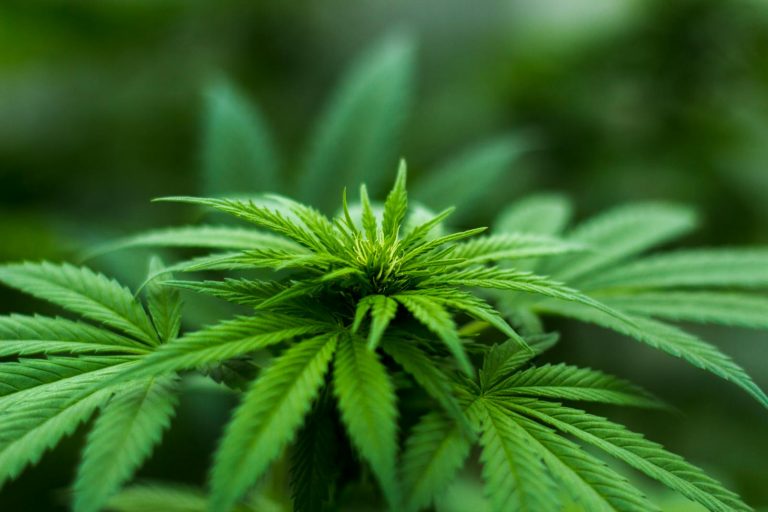

The Truth About Cannabis Strains: Indica, Sativa, and Hybrids Explored
The legalization of cannabis has surged across Canada and more than 50% of the United States, leading to an increase in usage and a growing acceptance of marijuana for both recreational and medicinal purposes. As sales in the industry skyrocket, consumers often find themselves faced with the question: Does the type of cannabis strain really matter? While the relationship between strain type and consumer choice is a topic of interest, it remains a somewhat complicated discussion.
Drawing parallels to the wine industry, a YouGov survey highlights that when it comes to purchasing wine, consumers prioritize factors such as price, brand, and ratings over grape variety. In contrast, marijuana markets itself through strain classification alongside price. Thus, understanding the categories of cannabis—indica, sativa, and hybrid—can help consumers make informed choices. However, the clarity of these classifications has recently come under scrutiny based on emerging research.
Understanding Indica Strains
Cannabis indica plants are typically characterized by their short, bushy stature and wide leaves. Originating from the harsh climates of the Hindu Kush mountains in Afghanistan, India, Pakistan, and Turkey, indica strains have adapted well to dry environments. These strains are primarily known for their relaxing and calming effects, making them a preferred choice for evening use or winding down after a long day.
While it is often believed that indica strains contain higher levels of CBD compared to THC, this assumption may not always hold true. The cannabinoid profile can vary significantly from strain to strain, so consumers should refer to lab testing for precise information.
Exploring Sativa Strains
In contrast, Cannabis sativa plants are generally tall and slender with narrow leaves, thriving in the hot, dry climates of regions such as Africa, Central America, and Southeast Asia. In North America, sativa strains are often cultivated in grow houses or in the southern states. Known for their energizing and uplifting effects, sativa strains are commonly preferred for daytime use, providing users with a euphoric “mind high.”
Sativa strains tend to have higher THC content and lower CBD levels, aligning with the characteristic energizing feel that many users seek when consuming this type of cannabis.
The Nature of Hybrid Strains
Hybrid cannabis strains are the result of crossbreeding indica and sativa plants. The extensive breeding practices over the years have led to the development of a multitude of hybrid strains, each varying in effects. Hybrids can be categorized as indica-dominant, sativa-dominant, or balanced, allowing users to choose based on their desired experience.
Breeders engage in hybridization to merge desirable traits from different strains, focusing on aspects such as flavor, aroma, potency, and specific effects. This diversity in hybrids allows for personalized experiences tailored to individual preferences and specific needs.
The Limitations of the Indica-Sativa Classification
Despite the popularity of the indica-sativa-hybrid classification system, it’s essential to recognize its limitations. Recent studies indicate that these categories may not accurately predict a strain’s effects. The cannabis plant has evolved through selective breeding, and pure indica or sativa landraces have become quite rare.
Modern cannabis research emphasizes understanding a strain’s chemical composition rather than solely its physical traits or lineage. The unique profile of cannabinoids (like THC and CBD) and terpenes are crucial elements that determine the effects of a particular strain, rendering the indica-sativa-hybrid labels less significant in the context of cannabis consumption.
Choosing the Right Strain: What You Should Consider
When selecting a cannabis strain, users should focus on specific attributes rather than simply its classification. Here are some important factors to consider:
- Effects: Be clear about the effects you’re seeking. Whether you desire relaxation, energy, pain relief, or creativity, understanding the desired outcome can help narrow down your choices.
- Cannabinoid Profile: Check the levels of THC and CBD in different strains. This chemical composition will significantly impact your experience.
- Terpene Content: Terpenes are aromatic compounds that contribute to a strain’s flavor and might also influence its effects. Consider strains with terpenes that appeal to you.
- Lab Testing: Trust lab-tested products that provide accurate information about cannabinoid ratios and potential contaminants.
Conclusion: Moving Beyond Strain Classifications
As the cannabis industry continues to evolve, so too should our understanding of its strains. While indica, sativa, and hybrid classifications can provide a general overview, they should not be the sole basis for selecting a product. Instead, focus on the specific chemical profiles and desired effects that each strain offers. By doing so, consumers can make more informed decisions that align with their needs, ensuring a fulfilling and enjoyable cannabis experience.


0 Comments