

The Push to Ban THC Products in Texas: What You Need to Know
A recent legislative effort in Texas has ignited a contentious debate surrounding THC products, particularly those derived from hemp. A bill known as Senate Bill 3, aimed at banning all THC products, has passed the Senate with a significant majority—24 votes in favor and 7 against. This marks a pivotal development in the ongoing conversation about the safety and regulation of hemp-derived products in the state.
The Legislative Landscape
Senate Bill 3, championed by Lt. Gov. Dan Patrick, positions itself as a decisive measure against what Patrick describes as “poison” in public life. At the heart of this legislation is a desire to confront the perceived dangers of THC-containing hemp products, which Patrick claims threaten the well-being of Texans, particularly children.
“We as the Legislature, our number one responsibility is life and death issues,” Patrick stated during a recent press conference, stressing his determination to prioritize public health over industry interests.
Following its passage in the Senate, the bill now heads to the House, where a separate but contrasting measure—House Bill 28—aims to regulate rather than ban hemp products outright. An agreement between the two chambers is mandatory for any changes to current laws governing THC products.
Despite calls for more humane regulations from some representatives, Patrick insists on a complete ban on THC products. His steadfastness raises questions about the economic repercussions should such a ban come into effect.
The Economic Implications
The burgeoning hemp industry in Texas, which emerged following the legalization of low-THC products in 2019, is significant. Patrick himself noted that there are approximately 8,300 businesses operating in this market, contributing an estimated $8 billion to the Texas economy.
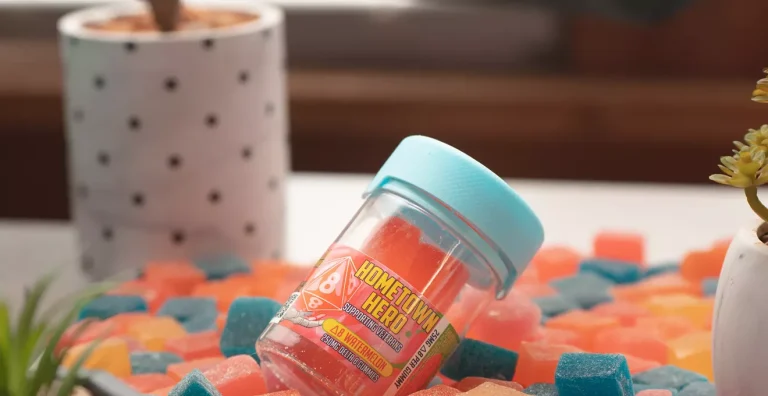
Stakeholders in the industry, like Jim Hogdon of Cornbread, a THC gummy company, underscore their concerns about the potential fallout from a complete ban. “Texas is very important to us, with about 7.5% of our revenue stemming from customers in the state,” Hogdon explained. If Senate Bill 3 succeeds, it could classify shipping hemp products into Texas as a felony, thus cutting off access for many small businesses reliant on Texan customers.
Dangers of Mislabeled Products
One of the primary arguments in favor of the ban is the alleged dangers posed by mislabeled THC products. Allen Police Chief Steve Dye has emerged as a vocal opponent of these products, claiming that inaccurate labeling has resulted in accidental overdoses and heightened addiction rates among young people.
“Labels on many products do not reflect the actual level of THC inside the packaging, which is leading to accidental intoxications,” Dye claimed during a Texas Senate hearing. His efforts to combat this issue have included conducting raids on local smoke shops accused of selling high-potency products.
However, allegations made by Dye about THC-related overdose deaths were recently challenged by concerned citizens. Matthew Fain, a local photographer, contested Dye’s narrative by filing an open records request, revealing that reported overdoses in the past year were attributed to opiates, not THC.
Future Challenges and Considerations
The push for a full THC ban is not without its hurdles. As the legislative session progresses, it remains to be seen whether the bill can maintain momentum amidst competing priorities, such as education and property rights championed by House Speaker Dustin Burrows. Considering the economic ramifications of such legislation, many advocates are urging lawmakers to consider a more balanced approach that emphasizes regulation over prohibition.
“Shops are advised to voluntarily close doors,” Patrick warned during a press conference, as investigations continue and lawsuits loom regarding sales of hemp products. Patrick’s strong stance may corner Gov. Greg Abbott into reconsidering his position on the issue as the legislative session advances.
Conclusion: A Divided Stance on THC Products
The future of THC products in Texas hangs in the balance as legislators grapple with opposing viewpoints on public safety and economic viability. With both chambers needing to negotiate, the path forward remains uncertain. Whether regulators will opt for an outright ban or a more nuanced regulatory framework could set vital precedents for the state’s hemp industry and its consumers.


0 Comments