

Texas Senate Passes Controversial THC Ban
By S.E. Jenkins, Digital Content Producer, CBS Texas
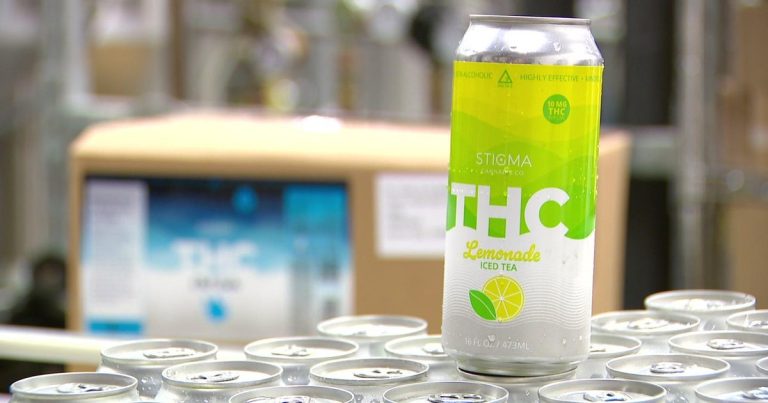
A significant shift in the Texas legislative landscape occurred recently as the Texas Senate passed a bill aimed at banning all forms of THC. This bipartisan initiative, highlighted by Lt. Gov. Dan Patrick, represents a concerted effort to regulate cannabinoid sales across the state. The legislation, known as Senate Bill 3, effectively targets Delta 8, Delta 9, and other intoxicating THC variants, including THC-infused beverages.
Details of Senate Bill 3
Senate Bill 3, spearheaded by Senator Charles Perry, outlines a total ban on the retail sale of all cannabinoids except for cannabidiol (CBD) and cannabigerol (CBG). A key point emphasized by Lt. Gov. Patrick is that this bill will not disrupt Texas’ Compassionate Use Program, which allows for the medical use of low-THC cannabis products under specific conditions.
The Origin of the Current Cannabis Market
The booming cannabis market in Texas can be traced back to the passing of federal legislation, specifically The Hemp Farming Act of 2018, and state law amendments like House Bill 1325 in 2019. These laws sought to legalize hemp primarily for agricultural purposes and distinguished it from illegal forms of cannabis by setting a THC limit of 0.3% delta-9 tetrahydrocannabinol.
Despite this, the legislation did not adequately address other forms of THC, such as delta-8 and delta-10, which do not naturally occur in significant quantities. As a result, numerous cannabis companies seized the opportunity to fill this regulatory gap, flooding the Texas market with products containing these alternate THC compounds.
Concerns Raised by Lawmakers
Lt. Gov. Patrick has voiced strong concerns regarding the safety implications of these unregulated THC products, particularly regarding their marketing, which he believes often targets children. “Since 2019,” Patrick remarked, “retailers across Texas have exploited a state agriculture law to sell life-threatening, unregulated forms of Tetrahydrocannabinol to Texans, including children.”
This legislative action comes in the wake of public sentiment and testimony voicing opposition to intoxicating THC products. Earlier this month, a large turnout at the Capitol included well over 170 individuals who signed up to express their opinions on the matter.
Voices from the Community
Opponents of the THC ban, including local business owners, argue that a blanket prohibition does not accurately reflect public desire. John Burk, owner of Shell Shock CBD in Richardson, stated, “Texans don’t want this… Let combat veterans be. If we want to have a blunt, it’s no different than having an old-fashioned and kicking back.”
Burk also highlighted the benefits of THC use for veterans who prefer it over more addictive alternatives like opioids.
However, law enforcement officials, including Allen Police Chief Steve Dye, support the bill, emphasizing that the marijuana available today poses more significant dangers than ever before due to its potency and addictiveness.
Next Steps for Senate Bill 3
With the Senate’s approval now in place, the bill is set to move forward into the House. Its future remains uncertain as discussions and debates continue regarding appropriate regulations and the overall public health implications of these substances.
Conclusion
The passing of Senate Bill 3 marks a pivotal moment for cannabis regulation in Texas, indicating a growing concern among lawmakers regarding public health and safety. As discussions progress, the outcome may not only reshape the cannabis market in Texas but also set a precedent for how other states approach similar legislation.


0 Comments