
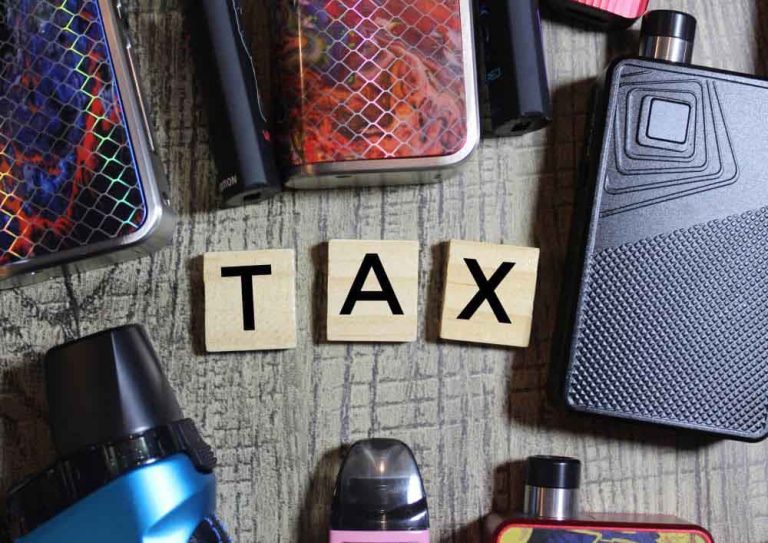

The Proposed 38% Tax Hike on E-Liquids in France: A Setback for Vapers and Public Health
In a move that has sparked widespread discontent among French vapers and tobacco harm reduction (THR) advocates, the French government is set to impose a significant 38% tax increase on e-liquids. This decision, proposed by MP Charles de Courson, will introduce a flat-rate tax of €0.15 per milliliter across all e-liquids, irrespective of their nicotine content. Vaping Post, a French news outlet that covers vaping issues, has highlighted concerns that this uniform tax method aims to close loopholes and prevent consumers from bypassing regulations.
As a result of this tax hike, the cost of a standard 50ml e-liquid bottle will jump to approximately €27.50, while a 10ml bottle will average around €7.40. Advocates like FiVape, one of France’s prominent vape advocacy organizations, have warned that this excessive taxation could dissuade smokers from transitioning to vaping—a method widely acknowledged for its effectiveness in smoking cessation. The assertion is that making vaping less affordable undermines public health initiatives aimed at reducing smoking rates.
Economic Implications of the Tax Increase
Traditionally, one of the main incentives for smokers to switch to vaping has been the cost-effectiveness of e-liquids compared to traditional cigarettes. Thus, this impending tax could actually hinder, rather than help, public health goals. As smokers are faced with higher prices for vaping materials, the likelihood of some choosing to continue smoking or seeking cheaper alternatives increases. Real-world examples from other countries illustrate this point vividly.
Countries like Australia, where steep taxes on vaping have already been implemented, are witnessing a surge in black market activity. The high costs associated with regulated vaping products have directed consumers towards unregulated and potentially unsafe options. Similar trends have been observed in states with high vape taxes in the United States, such as New York and California, prompting many to seek untaxed products from other states or online retailers.
Underlining the Threat to Independent Vape Businesses
FiVape has pointed out that this tax legislation is potentially motivated by lobbying efforts from the tobacco industry, which seems keen on curbing the rise of vaping—an alternative that has eroded its consumer base significantly. The tobacco industry, controlling just 15% of the vaping market, stands to gain from these new restrictive regulations. In contrast, independent vape companies, which have emerged in response to growing demand, are likely to bear the brunt of these changes.
In a curious twist, it appears that disposable vapes—edged closer to a ban—will only experience a mere 7.5% increase in pricing. This discrepancy raises concerns that the regulations favor large tobacco companies who push disposable products, thus limiting consumer choice and maintaining a steady market influence.
A Blow to Vaping Advocacy Group SOVAPE
The situation for French vapers has worsened with the recent closure of SOVAPE, an association dedicated to promoting smoking harm reduction strategies. This organization faced several setbacks, including the refusal by a local market research firm, BVA, to continue its annual survey assessing public perception of vaping. This halt is attributed to a new contract that prohibits collaboration with vaping entities, marking a concerning shift in the political landscape surrounding vaping.
Despite their impactful efforts since their inception in 2016, SOVAPE has struggled against increasing political censorship and misinformation campaigns. Notably, early 2024 surveys conducted by SOVAPE indicated that a staggering 79% of participants view vaping as an effective smoking cessation tool, while 62% noted improvements in their quality of life post-switching. However, 27% still erroneously believe that vaping poses equal or greater risks than smoking.
With the dissolution of SOVAPE, their remaining funds will be redirected to organizations aligned with their mission, such as AIDUCE, Vape du Cœur, and the Pasteur Institute, while their website will stay operational for the next decade to retain resources for advocacy and information.
France Releases New Smoke-Free Plan Which Includes Counterproductive Vape Restrictions
Conclusion: The Future of Vaping in France
The introduction of this hefty tax on e-liquids represents a worrying trend for public health in France, one where measures intended to protect citizens might instead drive them towards less regulated and potentially harmful alternatives. As advocates and concerned citizens reflect on these changes, there is a pressing need for careful consideration of the impacts of such legislation on individual health choices, market dynamics, and the overall landscape of smoking cessation.


0 Comments