

The Ongoing Debate Over Tobacco and Vape Taxation in the Philippines
By Wilnard Bacelonia | Philippine News Agency
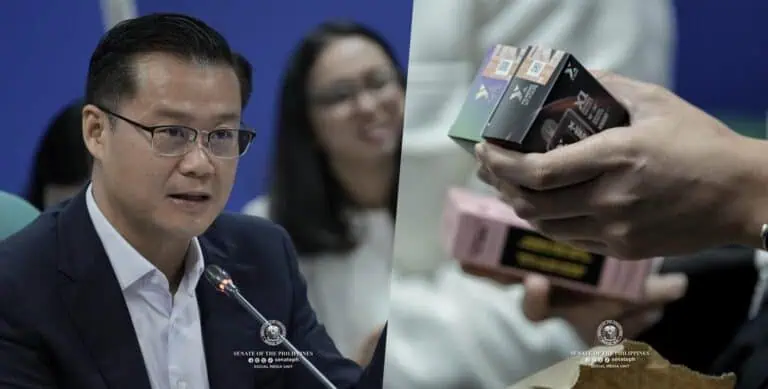
Recent discussions in the Philippine Senate have brought to light an urgent issue: the rising popularity of vaping among adolescents and the growing problem of smuggling vape products. The Senate Committee on Ways and Means, chaired by Senator Sherwin Gatchalian, is focused on House Bill No. 11360, a legislative proposal that aims to amend existing Sin Tax laws for tobacco, vapes, and heated tobacco products.
Reasons for Increased Taxes
Senator Gatchalian emphasized that merely reducing taxes is not a viable solution to curtailing the rampant illicit trade. He stated, “What is very prevalent right now is the smuggling of vaping products, and that’s already filtering down to our adolescent population.” The Senate believes that imposing higher excise taxes could work as a deterrent against the smuggling of these products.
An Overview of House Bill No. 11360
House Bill No. 11360 proposes an initial excise tax of PHP 41 per pack of heated tobacco (20 units) and PHP 66.15 for each milliliter of vapor products and cigarettes. The bill includes provisions for automatic tax increases: a rise of 2% every even-numbered year and 4% every odd-numbered year until 2035. Additionally, the bill would empower the President to raise tax rates by up to 5% if the deficit exceeds 2% of the country’s gross domestic product.
Targeting Youth Consumption
One key feature of the proposed legislation is the establishment of a single tax rate for all vapor products, regardless of whether they use freebase or nicotine salt. The intention behind this is to mitigate youth consumption, a notable concern for lawmakers. Gatchalian remarked, “Imposing a single tax rate on vapor products and ad valorem tax on devices can curb the increase or hopefully eliminate the increase in the use of vape products among adolescents.”
Challenges in Enforcement
The Senate committee has previously held multiple hearings focused on improving the enforcement of laws against illicit trade. Despite 1,636 tobacco-related seizures by the Bureau of Internal Revenue from 2023 to 2025, only one case has reached a court decision. The Bureau of Customs reported even lower success, with just two court decisions out of 1,296 seizures since 2018. “These numbers are unacceptable. This is why we need to enhance the enforcement capabilities of our agencies,” Gatchalian insisted.
Proposed Reforms
The proposed reforms include:
- Strengthening interagency coordination
- Allowing local government units (LGUs) to participate in enforcement
- Adopting product tracking technologies
- Removing distinctions in penalties between locally produced and imported untaxed goods
As Gatchalian stated, “This isn’t just about revenue. It’s also about protecting public health and ensuring that we don’t let smuggling undermine our laws and endanger our youth.”
Opposition from Health Advocates
Senator Pia Cayetano opposed the proposed tax reductions on tobacco and vape products, cautioning that such measures could compromise public health. She cited alarming statistics, highlighting a dramatic rise in youth vaping—from 3.2% in 2018 to 39.9% in 2023—and warned that sin taxes play a crucial role in discouraging harmful behaviors. “Public health must never take a backseat to industry profits,” Cayetano declared.
Conclusion
The ongoing legislative discussions surrounding tobacco and vape taxation are critical in addressing the twin issues of public health and smuggling. As lawmakers navigate these complexities, the implications for youth vaping trends and public health safety remain a paramount concern. The proposed House Bill No. 11360 is poised to play a significant role in shaping the future landscape of vaping and tobacco regulation in the Philippines.


0 Comments