

Understanding the New Vape Shop Ordinance in Roanoke County
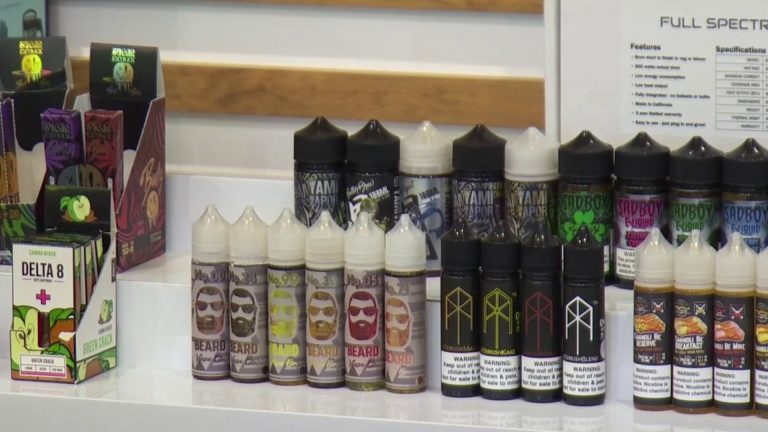
ROANOKE COUNTY, Va. – In a significant move to combat the increasing rates of vaping among students, Roanoke County has enacted a new ordinance limiting the establishment of vape and smoke shops near educational institutions. This decision, aimed at tackling an urgent public health issue, has triggered discussions and concerns among community members, school officials, and local businesses.
The New Ordinance Explained
The Roanoke County Board of Supervisors passed the new regulation on Tuesday, with a vote tally of 4-1 during a public meeting filled with community impact discussions. According to the ordinance, no new vape or smoke shops will be allowed to open within a radius of 1,000 feet from any middle or high school. The goal of this measure is to curb access to vaping products among students, supporting ongoing efforts by the school division to reduce nicotine use.
Community Response and Concerns
The public hearing brought forth emotional testimonies from community leaders, especially from school representatives. Tammy Newcomb, a voice for Roanoke County Schools, showcased alarming statistics regarding local vaping trends. She noted, “Data indicates that students in our area are using vape products nearly seven times more than their peers in other high schools of Roanoke County.” This statement underscores the urgency of addressing vaping’s prevalence among youth.
Community members expressed their grave concerns over the easy access students have to these products, highlighting the proximity of newly opened vape shops to schools. The county’s decision reflects a collective desire to safeguard youth from what many see as an escalating public health crisis driven by nicotine addiction.
Loopholes in the Ordinance
While the ordinance marks a proactive approach to curtailing youth access to vaping products, it is not without its limitations. A significant loophole exists: businesses that hold an ABC license (Alcoholic Beverage Control) can still sell nicotine and vape products regardless of their distance from schools. Moreover, existing vape shops located within the prohibited area will not be affected by this regulation, raising questions about its overall effectiveness.
Debate Among County Officials
One board member, Paul Mahoney, cast the only dissenting vote against the measure. He expressed skepticism regarding the law’s ability to achieve its intended outcomes, articulating that “students can easily access vape products just outside the designated 1,000-foot zone.” Mahoney’s critique highlights the challenges of regulating youth access to vaping products effectively, especially when merchants may still operate nearby.
Despite the concerns voiced by Mahoney, the majority of the board members support the ordinance as a crucial first step toward better safeguarding local students. The commitment to address the vaping epidemic remains a top priority, with the school division simultaneously implementing vape detection technology within school premises.
Efforts to Curb Vaping Among Students
Aside from the ordinance, the Roanoke County school division is exploring additional initiatives to tackle vaping among students. The installation of vape detectors in schools represents one of the strategies intended to deter students from vaping on campus. These measures are complemented by educational programs aimed at raising awareness around the dangers of nicotine use.
Conclusion
The adoption of the new vape shop ordinance in Roanoke County signifies a community commitment to addressing the troubling rise of vaping among young people. While the effects of such a regulation remain to be evaluated, it is a promising start in a broader effort to safeguard students’ health and well-being. As local officials continue to confront the dual challenges of public health and youth engagement, the focus will remain on enhancing preventative measures and fostering a healthier environment for the next generation.


0 Comments