

The Shifting Landscape of Youth Tobacco Use: Vaping Declines, Nicotine Pouches Rise
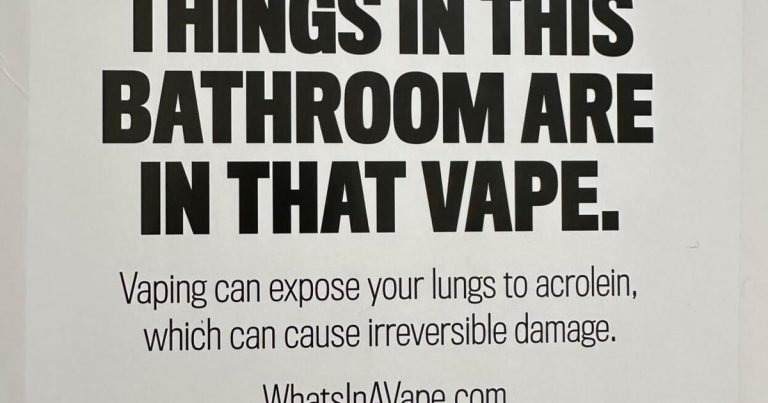
Information campaigns aimed at youth, funded by e-cigarette manufacturer settlement, may be doing their job in preventing vaping, but smokeless tobacco pouches are a rising concern.
Recent surveys indicate a significant decline in youth vaping across the United States. Data from early 2024 shows a remarkable 25 percent reduction in e-cigarette use among school-aged children, with only 6 percent of the 1.6 million students surveyed reporting usage. This trend reflects ongoing efforts to curb the popularity of vaping among the youth, prompting a closer look at emerging issues in the tobacco landscape.
Rising Popularity of Smokeless Tobacco Pouches
Despite the decrease in vaping, experts are observing a concerning shift towards smokeless tobacco options such as nicotine pouches. These products, favored by teenagers for their discreet nature and appealing flavors, pose a new challenge in the fight against youth tobacco use. Jay Owens, Superintendent of Indian River School District, noted this trend, stating that while vaping rates have decreased due to anti-vaping initiatives, the use of smokeless pouches may be on the rise.
To combat this evolving issue, the Indian River School District has implemented various strategies, including the installation of vape detectors in schools and public awareness campaigns funded through settlements from lawsuits against major e-cigarette manufacturers like Juul.
Legal Actions Against E-cigarette Manufacturers
Juul Labs, one of the leading e-cigarette manufacturers, has recently settled lawsuits in response to claims that they falsely marketed their products as less harmful than traditional tobacco. The company agreed to an initial payout of $438 million, with additional settlements gathered over time exceeding $1.7 billion. These funds are expected to support school districts and communities in their efforts to combat vaping and tobacco use in youth.
Owens emphasized the importance of these settlements, stating they offer essential resources for ongoing prevention efforts within schools. “The money we have set aside is for various efforts to combat vaping,” he stated, highlighting the strategic use of funds to reduce vaping incidents among students.
Understanding the New Landscape of Youth Tobacco Use
As vaping among teens declines, tobacco consumption through other means is being scrutinized. Experts from the CDC warn that regardless of the product, any tobacco use by young people is hazardous. The ascent of nicotine pouches raises concerns about a potential new generation of tobacco users who might otherwise have remained vape-free.
Sales Trends and Usage Among Teens
Sales of nicotine pouches have surged since 2016, though the current statistic shows that approximately 1.8 percent of students in middle or high school are using these products—up from 1.5 percent the previous year. These trends, while still relatively low, underscore the need for continued monitoring and preventive efforts to curtail youth tobacco use.
Community Efforts to Educate and Prevent Tobacco Use
Recognizing that youth often hide their tobacco use from parents, organizations such as Vape-Free Delaware are stepping up to educate not only teenagers but also their guardians. This initiative aims to provide parents with the necessary tools and information to engage with their children about the dangers of vaping and tobacco use.
The “Know the Truth” campaign, a youth vaping prevention curriculum, offers a comprehensive digital learning experience, helping students understand the risks associated with tobacco use and encouraging them to adopt healthier lifestyle choices.
Conclusion: A Call to Action
While the noticeable drop in youth vaping is a step in the right direction, the increasing concern over nicotine pouches demands attention. Stakeholders, educators, and parents must work together to navigate this complex landscape to ensure the health and well-being of future generations. Surveillance and education are key elements that will enable communities to adapt and respond effectively to the challenges posed by evolving tobacco products.


0 Comments