
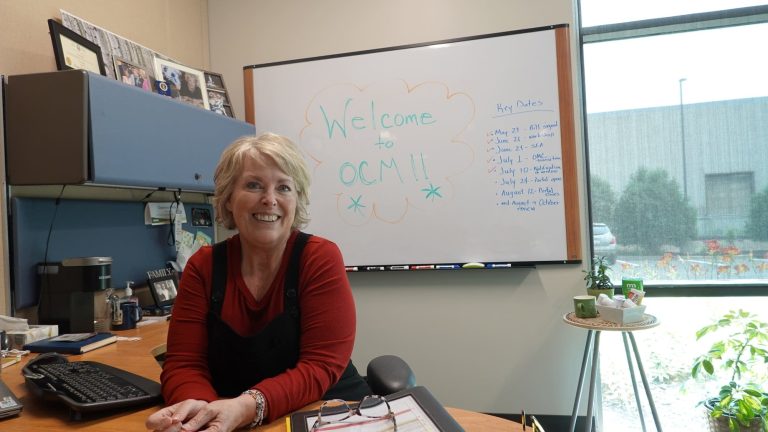

The Transition of Leadership at Minnesota’s Office of Cannabis Management
The Minnesota Office of Cannabis Management (OCM) has recently undergone a significant leadership change with the departure of Interim Director Charlene Briner. Appointed in 2023, her tenure, originally expected to be just a few months, extended into an impressive 20-month period. This article examines Briner’s contributions, the challenges faced by the OCM, and what the future may hold for the state’s burgeoning cannabis industry.
Charlene Briner’s Impact on Minnesota’s Cannabis Landscape
Charlene Briner has earned her reputation as the “Swiss Army knife of state government” due to her multifaceted skills and ability to tackle various aspects of cannabis regulation. Under her leadership, Minnesota has made significant strides in the rollout of legal recreational marijuana, a groundbreaking development in the state’s history.
Briner expressed pride in the team she helped assemble, stating, “This isn’t about one job. I’m tired. I did not plan on staying for a year and a half.” Her commitment to the OCM and its mission has been evident throughout her time in office.
Challenges Faced by the Minnesota Office of Cannabis Management
Briner’s departure raises questions about the challenges that lie ahead for the OCM. One major hurdle is the struggle to find a permanent director, a feat complicated by the demanding nature of the work. Briner noted that the average tenure for the first director of a cannabis office in other states is around 17 months, indicating the high turnover rates associated with such roles.
“This is not easy work,” Briner stated. “It is not for the faint-hearted, and it’s for people who are really committed to this kind of work.” The complexities of opening a cannabis regulatory office from scratch made her role even more daunting.
The Unique Positioning of Minnesota’s OCM
Unlike many other state cannabis agencies that operate under existing governmental structures, Minnesota’s OCM was established from the ground up, creating unique challenges. Briner highlighted the absence of foundational resources such as an HR director or a financial strategist while simultaneously legalizing a new industry.
Building the operational framework while navigating the complexities of legal cannabis has been an extraordinary undertaking. “I didn’t have a building to operate out of, and so really building those pieces while you actually have legalized something without that regulatory scheme added a layer of challenge,” said Briner.
Looking Ahead: The Future of Minnesota’s Cannabis Regulation
As Briner steps aside, Eric Taubel, who currently serves as General Counsel, will assume the role of director. With Briner’s departure coinciding with the opening of the next round of licensing on Wednesday, the timing seems opportune for this leadership transition. The OCM has already posted their rules for public comment and plans to adapt them in the coming weeks.
This phase of licensing is crucial as it will shape the structure and future of Minnesota’s cannabis market. Briner believes that the state has made considerable progress, stating, “We’re building this from the ground up, and for better or for worse, this is where we’re at.”
Conclusion
Charlene Briner’s departure marks the end of an era for the Minnesota Office of Cannabis Management. Her leadership during a pivotal time in the state’s cannabis industry has laid the groundwork for the agency’s future. As the OCM evolves and adapts, it faces the considerable task of creating a robust regulatory framework while embracing the opportunities presented by a legal cannabis market.


0 Comments