
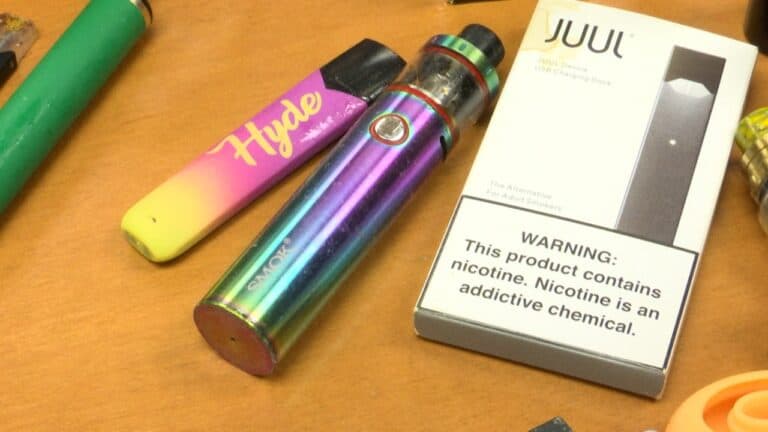

Vaping among teenagers is a growing concern with significant health risks, says Shannon Giles, the Tobacco Prevention and Cessation Coordinator for Tobacco Free Vigo and Chances and Services for Youth. Despite efforts to reduce cigarette and tobacco use, the prevalence of vaping continues to rise. In some areas of Indiana, underage students caught vaping at school even face arrest and citations. To address this issue effectively, prevention education should be prioritized, followed by focusing on the psychological and physiological addiction that vaping presents.
Giles emphasizes that vaping is not just a recreational activity but a serious addiction. A single vape pen can contain as much nicotine as 40 or 50 cigarettes, and its impact on developing brains is even more severe than on adult brains. The highly addictive nature of vaping necessitates comprehensive education and intervention programs to help teenagers understand the dangers and make informed decisions.
Some schools have taken significant steps to combat the vaping epidemic by installing vape detectors. Chris Stitzle, the superintendent at Southwest School Corporation, praises the detectors for providing an opportunity to educate students about the addictiveness of vaping and guide them towards quitting. When students are caught vaping at Southwest School Corporation, they receive citations but are also given the chance to participate in a program called In-Depth. This program aims to provide education and support to help students overcome their addiction.
Giles suggests that punitive measures alone are not sufficient. Instead, restorative measures should be employed to help students recognize their triggers and provide the necessary resources to quit vaping. It is crucial to address vaping from a holistic perspective, considering mental health and confidence issues. By encouraging teenagers to resist peer pressure and empowering them with the knowledge and tools to quit, the risks associated with vaping can be effectively mitigated.
In conclusion, the rise of vaping among teenagers demands significant attention and action. With nicotine levels in vapes being dangerously high, it is essential to educate students about the risks they face. By implementing prevention programs, offering support and resources, and focusing on the underlying factors contributing to vaping, we can work towards reducing teenage vaping rates and protecting their long-term health.


0 Comments