

The Ongoing Fight for Medical Cannabis in Nebraska: Insights from the Bronson Family
In Nebraska, discussions surrounding medical cannabis have reached a fever pitch, especially highlighted by the struggles of families like that of seven-year-old Teddy Bronson, who has battled severe epilepsy from a very young age. With a staggering six brain surgeries, 14 different medications, and an expense of nearly $500,000 in medical resources, Teddy’s journey reflects not only personal pain but also the broader implications of legislative battles around medical cannabis.
Teddy’s Story: A Family’s Struggle Against Epilepsy
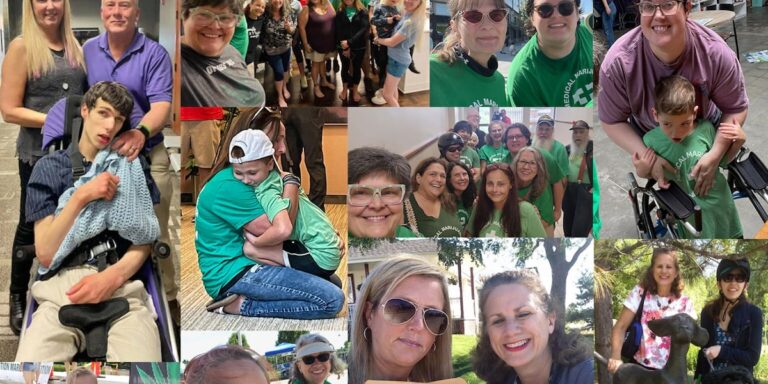
Teddy Bronson of Omaha represents the many children suffering from drug-resistant epilepsy. He has endured approximately 3,800 seizures a month. His parents, Matt, a disabled U.S. Air Force veteran, and Liz, a nurse practitioner at Children’s Nebraska, are relentless in their fight to reduce Teddy’s suffering. They advocate for potential relief through medical cannabis, echoing sentiments that resonate with many families across the state.
During a public forum in Omaha, Matt Bronson passionately addressed the crowd, highlighting the daily challenges the family faces. “I get to see my son smile… three years ago, he was in a wheelchair,” he shared. Despite Teddy’s improvements, his parents remain acutely aware of the risks, with Liz stating, “any seizure can take him.” The family, quoting their epileptologist from California, emphasizes the necessity for evidence-based legislation: “We can either pass well-regulated legislation, or we can sign more death certificates.”
A Decade-Long Battle for Medical Cannabis Access
The Bronsons have been paramount in advocating for the legalization of medical cannabis in Nebraska through various initiatives over the last decade. With voters overwhelmingly approving medical cannabis in November — 71% in favor — the path seemed positive. Yet, the transition from ballot measure to regulatory implementation has proven tumultuous.
In a series of public forums held in La Vista, Omaha, and Lincoln, hundreds of Nebraskans reiterated the significance of implementing the will of the voters. Yet, the route is fraught with differing opinions on how to properly regulate medical cannabis in the state.
Legislative Bill 677: The Controversy
At the core of ongoing discussions is Legislative Bill 677, which proposes regulations for the new medical cannabis system. However, opinions among speakers vary widely, with some voicing that the bill unnecessarily complicates the easy transition toward a regulated cannabis market.
Critics like Ethan Stankus condemn the compromises in the bill, including the prohibition of smoking cannabis and the limitation of 30 dispensaries statewide. Stankus argued, “This is not what we voted for,” while holding the proposed regulations. Moreover, concerns have been raised regarding the association of the new Nebraska Medical Cannabis Commission with the Liquor Control Commission, a setup many find problematic.
Political Dynamics and Ongoing Challenges
The political landscape shows tensions between the need for regulation and differing opinions on the legality of cannabis. Nebraska Attorney General Mike Hilgers has reinforced his position against THC products, causing friction among supporters who see the potential benefits of medical cannabis. Hilgers insists on abiding by federal law, which complicates the issue further.
Supporters of Bill 677 recognize that its guidelines might provide clearer boundaries for the Nebraska Medical Cannabis Commission to follow, especially with the impending July 1 deadline for regulations. However, many exhibit skepticism over whether these regulations will fulfill voters’ intentions or lead to a more restrictive system.
Evaluation of Regulations and Future Prospects
Advocates argue that while LB 677 may not be perfect, it offers necessary guidelines amid confusion. Yet, the complexity of legislating cannabis in Nebraska remains evident. As State Sen. Ben Hansen stated, “We’re not going to eat 100% of the apple; we get 75% or 80%,” emphasizing a need for compromise while striving to ensure that all who require medicinal cannabis have access to it.
Families like the Bronsons are at the forefront of this movement, advocating not only for their son but for all Nebraskans facing debilitating conditions. They hold onto the hope that legislative actions will genuinely reflect the will of the people and provide the necessary relief for those suffering.
A Spotlight on Families and Testimonies
Beyond the Bronsons, many families shared their stories during public forums. Marcie Reed, whose son Kyler has epilepsy, shared her experience with controlled substances, underscoring the pressing need for safe alternatives like medical cannabis.
As discussions continue, it’s clear that the journey towards effective medical cannabis legislation in Nebraska remains complex. Supporters urge lawmakers to remain steadfast and united to honor the wishes of voters. In this ever-evolving conversation, the voices of families fighting unimaginable battles continue to ring loud and clear.
Conclusion
The fight for medical cannabis in Nebraska is more than just a legislative battle; it’s a fight for the lives and well-being of families like the Bronsons. With ongoing debates, public testaments, and advocacy, the future of medical cannabis legislation remains a crucial topic that demands attention and action from lawmakers.
What is the current status of medical cannabis legalization in Nebraska?
Who is advocating for medical cannabis in Nebraska?
What are the main concerns around Legislative Bill 677?
How do families like the Bronsons feel about the current legislative efforts?
The Ongoing Fight for Medical Cannabis Access in Nebraska
The debate over **medical cannabis** in Nebraska has reached new heights, as advocates plead for legislative action in light of the struggles faced by patients and their families. Recent discussions have highlighted the tragic realities patients endure while waiting for access to an essential medicinal option. Advocates emphasize the potential for cannabis to alleviate severe pain and improve the quality of life for individuals suffering from chronic illnesses, including epilepsy and cancer.
A Plea for Compassion and Understanding
Reed, who has been active in the cannabis movement, describes the personal understanding one gains when witnessing loved ones suffer from debilitating conditions. “One day, somebody you love might have epilepsy or cancer,” Reed noted, urging lawmakers to reconsider their positions on cannabis legislation. The emotional appeal emphasizes that nobody wants to see relatives endure pain without having adequate treatment options.
This sentiment was echoed during a recent gathering where advocates shared stories of loss and hope. Jill Heese of Lincoln voiced her grief over her mother’s battle with cancer, expressing feelings of helplessness due to the current legal restrictions. By juxtaposing her mother’s compassionate character against the backdrop of the ongoing legislative struggle, Heese illustrates how real lives are impacted by these political decisions.
Humor Amidst Tension
Yet, amidst the tension, moments of levity have surfaced, such as interactions between advocates across the political aisle. Shannon Coryell of Omaha, self-described as a “bleeding heart liberal,” highlighted the remarkable bipartisan support emerging around this issue, even finding common ground with traditionally opposing viewpoints.
Tom Becka, a former talk radio host, provided comic relief, reminding attendees that the so-called dangers of cannabis have been exaggerated. “More people have died from the onions on the McDonald’s hamburger than have died from medical cannabis,” Becka joked, providing a laugh in a tense atmosphere where impactful stories weighed heavily on participants.
The Pain of Waiting
Many Nebraska advocates are frustrated by legislative inaction. Lia Post of Springfield read a heartfelt letter from a friend who recently buried her mother, a chronic pain sufferer who found relief through cannabis after years of debilitating discomfort. “She knew exactly what she was voting for,” Cornett’s letter stated, emphasizing the urgency of passing legislation to allow access to cannabis for those in need.
For families like the Gillens, who have been fighting for their son Will, the burden has been immense. With a history of over 450,000 seizures, efforts to advance medical cannabis have been obstructed by what Dominic Gillen describes as “lawfare”—a systematic approach to hinder progress through legal technicalities rather than moral obligation.
Compelling Stories of Change
Advocates continue to urge lawmakers to witness firsthand the struggles experienced by patients. Their stories are powerful; children battling severe medical conditions and veterans suffering from PTSD remind legislators of the stakes at hand. As Matt Bronson poignantly shared, “Let’s take away this pain.” His plea emphasizes that this fight is not merely a political agenda, but a matter of life and death for many.
Senators face mounting pressure as constituents demand that the state acknowledges medical cannabis’ life-changing potential, particularly for veterans. Advocacy efforts have highlighted the pressing need for inclusion of conditions like PTSD within the scope of legal medical cannabis use. Legislative amendments proposed aim to expand this access, though opposition remains strong.
A Cannabis Culture Clash
The opposition’s rhetoric, often infused with fear and misconceptions, contradicts patient testimonials that consistently cite cannabis as a vital medicinal resource. Lawmakers have portrayed cannabis legalization as a slippery slope towards increased danger in society, a narrative that advocates argue is unfounded.
The evolving public opinion surrounding cannabis is palpable, especially among constituents who ask their representatives to listen to stories that resonate on a personal level. Opinion polls conducted during these gatherings showcase a high level of support for not just medical cannabis, but also for broader recreational legalization if legislative boundaries remain overly restrictive.
The Next Steps: Advocacy and Accountability
As the battle for medical cannabis access unfolds in Nebraska, advocates continue to mobilize, aiming to push for legislative changes that reflect compassionate care and scientific understanding. The call for urgent action echoes throughout the state, with individuals calling for lawmakers to prioritize public health and safety over political agendas.
The push for LB 677—a bill aimed at regulating medical cannabis—serves as a focal point for advocacy efforts. Advocates maintain that if the bill fails due to heavy restrictions, the result may be a push for outright legalization from the public. The stakes are high, and so too is the urgency of the cause.
The intersection of personal stories, data, and public sentiment creates an important tapestry that advocates and lawmakers must navigate to create effective legislation. A change in perspective can lead to life-changing outcomes for many who have been yearning for access to medical cannabis for years.


0 Comments