
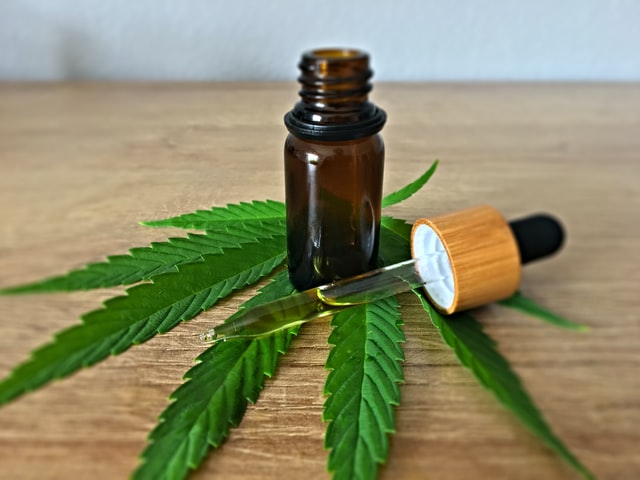

The Rise of CBD in the UK: A Comprehensive Guide
Cannabidiol (CBD) represents a substantial segment of the cannabis plant, alongside its more widely known counterpart, THC (tetrahydrocannabinol). Unlike THC, which is notorious for its psychoactive effects, CBD is non-psychoactive, captivating the attention of consumers across various demographics, particularly in the UK. With its rise in popularity, this article aims to delve into the nuances of CBD, covering its legal status, potential health benefits, and the diverse products available to consumers.
The Growing Popularity of CBD in the UK
In the last decade, CBD has transitioned from obscurity to a prominent health and wellness product. Offered in various forms—ranging from oils and capsules to skincare formulations and edibles—CBD’s ascent can largely be attributed to increasing awareness of its therapeutic potentials. The movement towards natural wellness solutions has significantly fueled the demand for CBD as a plant-based supplement.
Additionally, the wellness sector has acknowledged the prospective advantages of CBD as consumers continue to favor alternatives that may aid physical and mental well-being. Conditions like chronic pain, anxiety, insomnia, and skin ailments are commonly mentioned by users seeking relief through CBD.
Navigating the Legal Landscape of CBD in the UK
The legality of CBD in the UK plays a fundamental role in its popularity. While recreational use of cannabis remains illegal, CBD is permissible under specific conditions. Primarily, CBD products must contain less than 0.2% THC, which is the cannabinoid responsible for psychoactive effects.
In addition to THC content, CBD must be derived from industrial hemp strains that have been approved by the EU. This stipulation ensures that products are devoid of illegal levels of THC and other harmful cannabinoids. Furthermore, the UK government has initiated guidelines to oversee the quality and safety of the CBD market. Consequently, products must pass stringent testing and come with Certificates of Analysis (COAs) from independent laboratories to affirm their compliance with established standards.
Understanding How CBD Functions
CBD’s functionality is primarily linked to the endocannabinoid system (ECS), a sophisticated network of receptors responsible for regulating various bodily functions, including mood, sleep, pain perception, and immune responses. While THC binds directly to ECS receptors, CBD takes an indirect approach, enhancing the activity of specific receptors, enzymes, and signaling molecules.
Research indicates that CBD may play a crucial role in maintaining homeostasis—an equilibrium within the body—by aiding the ECS in managing inflammation, pain, and stress, thereby underpinning the numerous health benefits attributed to CBD.
Potential Health Benefits of CBD
Ongoing research continues to unveil CBD’s therapeutic potentials. Although further studies are required to confirm a variety of claims, some existing research highlights specific areas where CBD may exhibit beneficial effects:
1. Alleviating Pain
Many individuals use CBD for chronic pain management, with studies suggesting a reduction in inflammation and pain perception. CBD offers a natural alternative to prescription painkillers, particularly opioids, recognized for their addictive qualities.
2. Managing Anxiety and Stress
CBD has calming properties that can assist individuals suffering from various anxiety disorders. Research indicates that CBD may influence serotonin receptors in the brain, contributing to mood regulation and anxiety relief.
3. Enhancing Sleep Quality
CBD’s role in improving sleep has garnered attention, particularly for those facing insomnia or disrupted sleep patterns. Research published in The Permanente Journal highlighted CBD’s effectiveness in enhancing sleep quality, suggesting its potential in regulating the sleep-wake cycle by addressing underlying issues such as anxiety and pain.
4. Promoting Skin Health
With its anti-inflammatory properties, CBD has also integrated into skincare products aimed at alleviating conditions like acne and eczema. Its antioxidant qualities may protect the skin from oxidative stress, while regulatory effects on oil production may help mitigate acne breakouts.
5. Neuroprotective Effects
Emerging studies hint at CBD’s neuroprotective properties, with potential applications for neurological disorders such as epilepsy, Parkinson’s, and Alzheimer’s diseases. Notably, Epidyolex—a CBD-based medication—is currently the only approved treatment for certain types of epilepsy in children in the UK.
Exploring Popular CBD Products in the UK
The UK market is brimming with a diverse array of CBD products designed to cater to consumer preferences:
- CBD Oil: A prevalent choice, this concentrated form can be administered sublingually and is available in various strengths.
- CBD Capsules: These offer a straightforward and measured method of consumption.
- CBD Edibles: Providing a delicious and discreet way to enjoy CBD, these include gummies, chocolates, and beverages, although they may take longer to take effect.
- CBD Topicals: Creams and lotions designed for localized pain relief and skincare purposes.
- CBD Vapes: Offering a fast-acting option, vaping is notable for immediate effects but comes with potential health risks.
Considerations and Possible Side Effects
Despite being deemed generally safe, users should be aware of potential side effects such as dizziness, fatigue, and changes in appetite. Interactions with certain medications, particularly those impacting liver function, necessitate consultation with healthcare professionals prior to initiating CBD use.
Additionally, given that the CBD market is largely unregulated, opting for products from reputable manufacturers that provide lab testing results is crucial. Always check for clear labeling regarding CBD concentration, THC content, and the presence of potential contaminants.
Conclusion
CBD has swiftly ascended to popularity as a wellness solution in the UK, exhibiting potential benefits across various conditions including chronic pain, anxiety, insomnia, and skin issues. It’s vital for consumers to remain informed, ensuring the quality of products and their suitability for individual health needs. With ongoing research, more therapeutic possibilities for CBD may emerge, reinforcing its relevance within wellness and medical sectors.


0 Comments