

Alabama’s New Vaping Legislation: Implications for Teens and Businesses
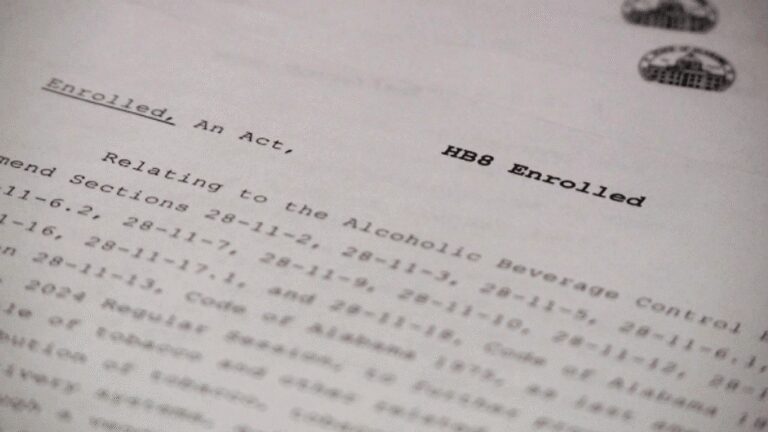
A significant legislative development is underway in Alabama as House Bill 8, aimed at reshaping the regulatory landscape of the vaping industry, awaits the governor’s signature. This proposed law is primarily designed to tighten access to vaping products for minors, but it has raised concerns among local businesses regarding its potential ramifications.
Aimed at Protecting Children
Rep. Barbara Drummond, D-Mobile, has been a staunch advocate for vaping regulations over several legislative sessions. The key features of HB8 include:
- Establishment of educational programs about vaping
- Requiring minors caught with vaping products to attend classes via the juvenile court system
- Increased penalties for retailers violating the new laws
- Creation of a special fund for the enforcement and administration of these regulations
Drummond emphasized, “We now have money that will go to the Alcoholic Beverage Control Board and the Alabama Law Enforcement Agency to enable them to enforce the laws we have on the books.” She expressed pride in the advancement of resources dedicated to the enforcement of existing vaping regulations, mentioning how previous attempts were lacking in financial backing.
Protecting Youth and Public Health
The legislation categorically prohibits anyone under 21 from possessing vape products. Drummond expressed that her primary aim is to safeguard children’s health in Alabama, asserting, “I still think that, even with the changes, the bill achieves that.” She firmly believes that the legislation reflects Alabama’s commitment to youth welfare.
Concerns from Local Business Owners
However, local business owners are voicing serious concerns over the implications of HB8. Amy Albers, owner of Vaper Forge in Birmingham and vice president of the Alabama Hemp and Vape Association, highlighted her apprehensions about the product list controlled by the state.
“HB8 allows for tobacco-free nicotine e-liquids to be on the registry, but that gives us only a month to comply, which is impossible,” Albers stated. She argued that many small businesses will struggle to comply with the new regulations, as obtaining approvals for products can be a lengthy process. Albers pointed out that most products on the registry belong to large tobacco companies, which she adamantly refuses to stock in her store.
Educational Initiatives vs. Misconceptions
Albers contended that there’s a wide array of misconceptions surrounding vaping. “One of the big misconceptions is that vaping is worse than smoking,” she remarked, emphasizing that well-regulated American-made products promise transparency regarding their contents. Albers argued for the need for educational initiatives to inform the public about the differences between vaping and smoking.
Senate Compromise and Regulations
The Senate, represented by Sen. David Sessions, R-Grand Bay, made amendments to the original bill. One notable change was the allowance for convenience stores to continue selling specific products from the federal registry, which Albers criticized, stating that these outlets often facilitate youth access to vaping products far more than specialized vape stores.
Sessions presented a balanced view on the necessity of these retail adjustments, noting, “The bad actors are the convenience stores, not the specialized vape retailers.” He emphasized that the amended bill still imposes stringent penalties on retailers violating the new regulations, stating that the fines increase significantly with repeat offenses.
What’s Next for the Bill?
As HB8 moves to Governor Kay Ivey for her approval, the landscape for vaping regulations in Alabama is on the cusp of major changes. The focus remains on preventing youth access while creating a regulatory framework that keeps local businesses viable.
Key Takeaways
- Accessibility: Stricter controls on vape products for minors.
- Education: New initiatives addressing vaping awareness and consequences for minors.
- Business Impact: Local vape shops may struggle to comply with regulations that favor larger tobacco companies.
Conclusion
The potential enactment of House Bill 8 marks a pivotal moment in Alabama’s approach to vaping regulation. While the intention behind the legislation is to safeguard public health and prevent youth from easily accessing vape products, the implications for local businesses warrant careful consideration and potential adjustments moving forward.


0 Comments