

Cannabis Grow Operations: The Rise and Fall of Nga Thanh Phan’s Property Empire
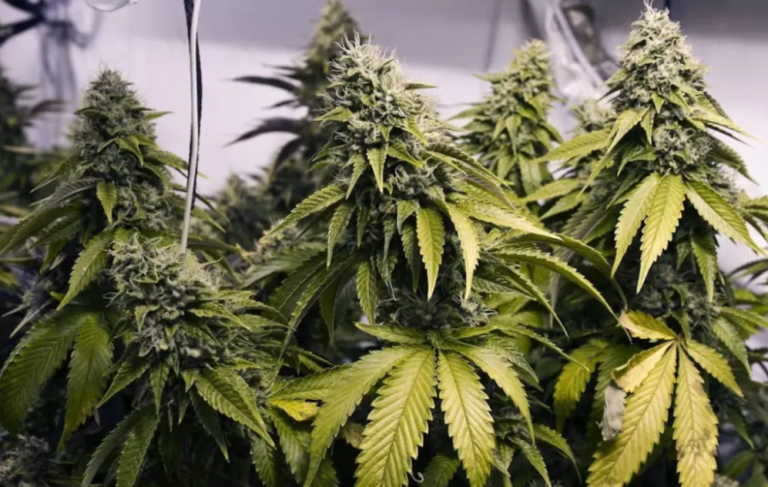
The landscape of Auckland’s real estate market took a sharp turn when police raided multiple properties owned by Nga Thanh Phan and her family, uncovering extensive cannabis-growing operations across the city. This operation not only seized properties but also dismantled a network that was built on wealth accumulation through the illegal drug trade.
Background of Nga Thanh Phan’s Operations
Landlord Nga Thanh Phan managed four rental properties in Auckland that were discovered to house large-scale cannabis crop cultivation. Together with her ex-husband, Khanh Truong Nguyen, and her brother, Dung Anh Phan, her operation was deeply rooted in the area. Authorities uncovered a troubling history, revealing Phan’s previous ownership of a property in Australia that faced similar legal action due to its use in cannabis cultivation.
The Consequences of Illegal Activities
The fallout from these operations was swift. Following defaults on mortgage repayments, the trio lost their New Zealand rental properties, which were subsequently sold off by lenders. Phan’s criminal activities also caught up with her financially, culminating in a settlement wherein she agreed to forfeit $300,000 as proceeds of crime, which now hangs over a remaining home she occupies.
Details of Raids and Police Investigations
The first major raid took place in December 2020 at a property in Whangaripo, leading to the discovery of suspicious financial transactions connected to Phan and her husband. With a history of thousands in cash deposits from unidentified sources, red flags raised in police investigations pinpointed Phan’s financial dealings as indicative of broader criminal activities.
Search Expands Across Multiple Properties
Substantial cannabis operations were uncovered when police searched six properties in April 2021. Notably, one property in Sandringham yielded over 120 mature and smaller cannabis plants, showing that these grow ops were not isolated incidents.
Further alarming finds included:
- Over 200 cannabis plants in a Tuakau property.
- Several hundred more across additional family-owned properties.
- Staging areas used for processing cannabis, alongside extensive growth setups.
Legal Repercussions and Sentencing
Phan ultimately pleaded guilty to four charges under the Misuse of Drugs Act for permitting premises to be used for cannabis cultivation. Despite her claims of ignorance about the operations, these arguments were seemingly undermined by her significant financial irregularities.
In July 2023, Judge David McNaughton sentenced Phan to two years and nine months in prison, which was later adjusted to 11 months of home detention after she appealed, highlighting her vulnerable position as a mother and alleged victim of abuse.
Criminal Proceeds Recovery and Future Implications
Under New Zealand’s Criminal Proceeds (Recovery) Act 2009, authorities routinely initiate civil actions to confiscate assets linked to significant criminal activity. In Phan’s situation, negotiations with police led to a settlement to avoid further complex legal proceedings.
A Cautionary Tale
The saga of Nga Thanh Phan serves as a reminder of the consequences of engaging in illegal activities, even as a landlord. Her story highlights the risk factors intertwined with the illegal drug trade and its pervasive effects on personal and community wellbeing.


0 Comments