

New Legislation Aimed at Reducing Vaping Among Youth in Ireland
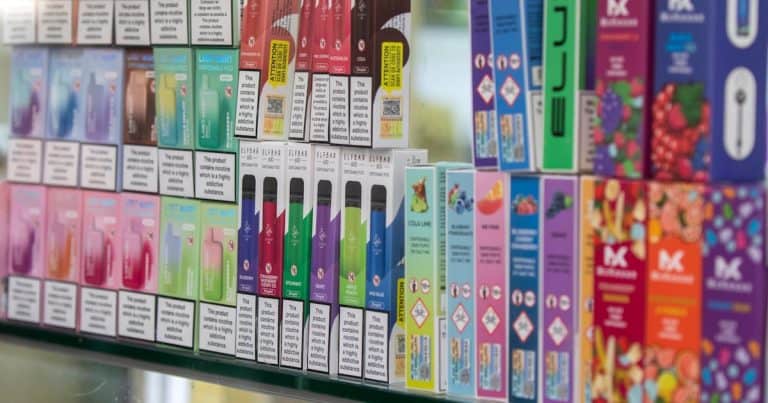
In a north Dublin newsagent, a mother and her young son stand in line to pay for a litre of milk and a bar of chocolate. Behind the cashier, a colorful display of vaping products catches the eye, featuring labels such as pink lemonade, mango, and sour raspberry. While the packaging might suggest a fun, inviting product, the reality is that these vapes are not intended for children or teenagers.
Health Concerns About Vaping
Numerous studies have highlighted the potential health risks associated with vaping, particularly among younger populations. Many of these vaping products contain nicotine, a highly addictive substance. While researchers continue to investigate the long-term effects of vaping on public health, there is a consensus that immediate action is needed to mitigate its effects on youth.
Government Response: Landmark Legislation
In response to growing concerns regarding the health implications of vaping, the Irish Government has initiated a plan to impose stricter regulations surrounding nicotine inhaling products. Minister for Health, Stephen Donnelly, announced that legislation will be introduced to prohibit the point-of-sale display and advertising of such products in shops that do not specialize in their sale.
Key Proposed Restrictions
- Ban on Point-of-Sale Displays: Retailers will no longer be able to showcase vaping products prominently unless they primarily sell these items.
- Packaging Restrictions: Colors and imagery on vaping packaging will be reduced to minimize their attractiveness to children and young people.
- Flavor Descriptor Ban: Only basic flavor names will be permissible, eliminating fun and appealing flavor descriptors that could lure young users.
- Disposable Vapes Ban: The importation, manufacture, and sale of single-use or disposable vapes will cease.
Public Health Organizations Support Legislation
The proposed restrictions have garnered strong support from various health organizations. The Irish Heart Foundation has previously characterized vaping as an “epidemic” among young people, emphasizing the urgent need for effective measures to assist teenagers and young adults in quitting.

Challenges in Enforcement
While the new regulations aim to reduce vaping among youth, questions remain regarding their enforceability. Minister Donnelly has conceded that it will likely still be possible for individuals to purchase vapes from other countries. Enforcement could become more manageable if there is a collective international approach, as evidenced by similar efforts in other countries.
International Efforts to Regulate Vaping
- Denmark: All flavorings except tobacco are banned.
- Belgium: A ban on disposable vapes will take effect next year.
- New Zealand: Restricts disposable vape sales and imposes stricter regulations on retailers.
- Australia: Introduces prescription-only sales for reusable vaping devices, with a limited range of flavors available.
Environmental Concerns of Disposable Vapes
Beyond health risks, environmental factors also play a significant role in the debate over vaping. Disposable vapes have become a common littered item, posing risks to the environment. Experts warn that improper disposal methods can lead to fires and the release of dangerous chemicals.
Dr. Jason Power from the University of Limerick emphasizes that disposable vapes are “fundamentally a terrible idea” from a materials and environmental perspective. The challenges of recycling these devices make it imperative to seek alternatives.
The Impact of Vaping on Young People
Vaping has emerged as a popular trend among adolescents and young adults, often mistaken for a safer alternative to traditional smoking. According to the Government’s Healthy Ireland Survey, 20% of females aged 15 to 24 and 9% of males in the same age group reported vaping either daily or occasionally.
Health Risks Associated with Vaping
Recent research from the Royal College of Surgeons in Ireland (RCSI) indicates that many flavors commonly used in e-liquids may release hazardous chemicals when heated. This finding underscores the urgent need to address the impact of flavored and disposable vapes, which have significantly contributed to the rise of vaping among young people.
Looking Ahead
As Ireland embraces these new regulatory measures, the hope is to significantly reduce the incidence of vaping among youth. Experts believe that with continued efforts and international collaboration, the proposed legislation could pave the way for a healthier future for younger generations, preventing another health crisis from taking root.


0 Comments