
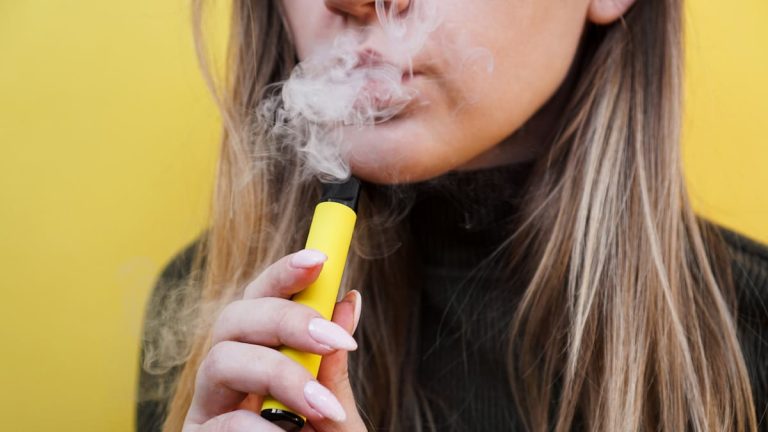

The Challenges of New Vape Laws in Combating Youth Addiction
The debate over new vape regulations designed to reduce youth addiction is not as straightforward as one might think. While the goal of these measures is rooted in public health, various complexities mean that they may not effectively deter young people from vaping.
The Rebellious Appeal of Restrictions
One of the most significant factors at play is the psychology surrounding restricted behaviors. Youths are inherently drawn to things that are seen as off-limits or forbidden. When stricter regulations are implemented, vaping can take on an allure of rebellion, making it seem more appealing. Rather than acting as a deterrent, new laws may inadvertently glamorize vaping, encouraging experimentation among young people.
Challenges in Enforcement
Even if age restrictions and bans on flavored vape products are legally enforced, challenges remain in actual implementation. Schools and social settings often prove to be difficult environments for upholding these laws. Young people are resourceful and may easily find ways around these regulations, such as obtaining vapes from older peers or through online channels that do not enforce age verifications strictly. This suggests that merely having laws isn’t enough; effective enforcement is equally crucial.
The Role of Flavors in Youth Attraction
Flavors have become a significant factor in attracting younger individuals to vape. If certain flavors are banned, manufacturers often adapt by creating new options that still appeal to the youth market. This means that banning specific flavors doesn’t necessarily solve the underlying issue of youth addiction to vaping; it may only shift the focus to other enticing products still available on the market.
The Importance of Education and Awareness
Another critical component of addressing youth vaping is education. Awareness programs about the risks associated with vaping are essential but must be engaging and relatable to resonate with younger audiences. The messaging should move beyond simple warnings and foster critical dialogue that empowers youths to make informed choices about their health. Engaging educational campaigns can play a vital role in shaping their perceptions of vaping as a non-safe choice.
A Multifaceted Approach to Combat Youth Vaping
To effectively tackle youth vaping, a comprehensive strategy is necessary that goes beyond legislation alone. Understanding the social, emotional, and psychological drivers behind why youths turn to vaping is essential. Addressing mental health, promoting healthier coping strategies, and creating supportive environments for young people can contribute significantly to decreasing vaping rates among this demographic. Support systems, mentorship programs, and increased access to mental health resources can all play an essential role in curtailing addiction.
Conclusion
In summary, while the intentions behind new regulations on vaping are admirable and aimed at protecting youth health, they may not suffice as a singular solution to curb youth addiction. A holistic approach that blends regulation, strong enforcement, comprehensive education, and emotional support is crucial in addressing the vaping epidemic effectively among young people.


0 Comments