
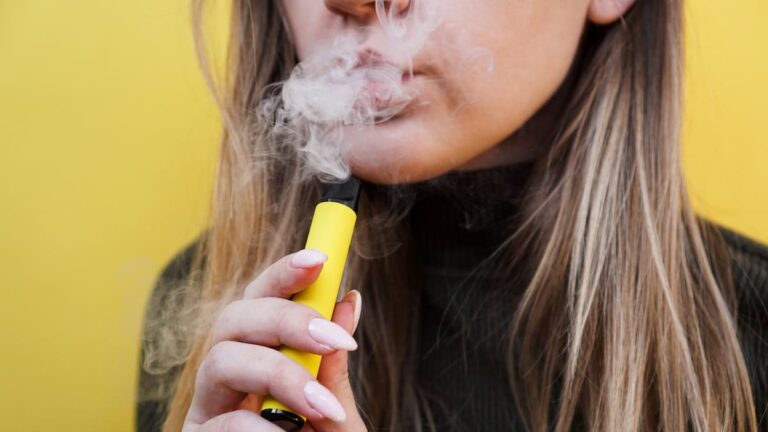

Far North Council’s Push for a Smoke and Vape-Free Policy
In a significant move towards public health, the Far North District Council is considering the establishment of a smoke and vape-free policy for its community spaces. This decision, which aligns with over 50 other local councils that have already implemented similar policies, aims to designate council-owned and administered public areas as free from smoking and vaping activities.
Leadership and Initiatives
Far North Mayor Moko Tepania has publicly endorsed the motion, noting the importance of leading by example. Tepania humorously mentioned his own experience with vaping, acknowledging that it inspired a more health-conscious mindset. He emphasized, “We are late to the party, our cousin councils already put stuff like this on the line and it only makes sense to have a policy like this.” This statement underscores the necessity for the council to set a standard in public health and wellbeing.
Encouraging a Smoke-Free Environment
The proposed policy aims not only to prohibit smoking and vaping in designated areas but also to promote healthier alternatives among staff and the wider community. Tepania expressed his desire for council staff to avoid smoking and vaping in front of council buildings, advocating for designated areas instead. He stated, “It’s important if we are going to be regulators of a smokefree/vapefree policy.”
Details of the Proposed Policy
According to Roger Ackers, group manager for planning and policy, the council is exploring the logistics and costs of implementing a comprehensive smoke and vape-free policy. This involves future consultations with Health NZ Te Whatu Ora and various community stakeholders to ensure an effective framework that meets the needs of the population.
The policy would also include clear signage to designate smoke-free areas and drive engagement with local communities to foster understanding and adherence to the new regulations.
Health Perspectives and Community Impact
A recent research report highlighted that smoking rates in the Far North are significantly higher than the national average. As of the 2023 Census, approximately 13% of residents aged 15 and older identified as regular tobacco users, compared to only 8% nationally. This statistic exposes the need for a robust smoking and vaping policy to protect community health, particularly from the dangers of second-hand smoke in public places.
Moreover, health experts continue to raise alarms surrounding the health implications of vaping. The Nicotine and Tobacco Research Journal recently released a study linking e-cigarette use with chronic obstructive pulmonary disease (COPD), marking a dangerous connection for public health. COPD is currently the fourth-leading cause of death in New Zealand, emphasizing the urgent need for effective health policies.
Expert Opinions
Letitia Harding, chief executive of the Asthma and Respiratory Foundation NZ, underscored the research findings, declaring that vaping is not harmless and has potential long-term health impacts. She stated, “For years, we’ve been gaslighted into believing vaping is harmless… Vaping isn’t harm reduction, it’s harm transfer.” Her comments highlight the necessity for stronger regulations surrounding vaping, especially amongst youth.
Kathrine Clarke, director of health promotion at Te Whatu Ora, echoed the urgency of addressing vaping issues across New Zealand, particularly among young people. Initiatives and campaigns are being developed to encourage a smoke-free and vape-free lifestyle.
Resources for Smokers and Vapers
Individuals seeking support for quitting smoking or vaping can access resources provided by *Vaping Facts* and the *Quitline*. These platforms offer assistance to those looking to transition to healthier lifestyle choices.
Conclusion
The Far North District Council’s initiative to propose a smoke and vape-free policy is a pivotal step in promoting a healthier community. By collaborating with health authorities and stakeholders, the council strives to create a safer environment for its residents and visitors. With research highlighting the dangers of vaping, particularly its long-term effects, this policy could serve as a vital protective measure for the health of the community.


0 Comments