

The Future of Cannabis Rescheduling: Insights from New DEA Acting Administrator Derek S. Maltz
The landscape of cannabis regulation in the United States is on the brink of significant change following the appointment of Derek S. Maltz as the acting administrator of the U.S. Drug Enforcement Administration (DEA). Announced on January 21, 2024, this shift at the DEA comes at a pivotal moment as the agency is involved in deliberations about rescheduling cannabis under the Controlled Substances Act. Maltz succeeds Anne Milgram, raising questions about the future direction of cannabis policy.
Who is Derek S. Maltz?
Derek S. Maltz is not a newcomer to drug enforcement. With 28 years of experience at the DEA, he has served in various capacities, notably as the chief of the New York Drug Enforcement Task Force, the oldest and largest of its kind in the nation. His extensive background has been characterized by a commitment to combating global drug trafficking and terrorism, as highlighted in the DEA’s press release announcing his appointment.
Cannabis Rescheduling: The Current Landscape
A key agenda item for Maltz involves the ongoing dialogue around cannabis rescheduling. Currently classified as a Schedule I drug – a category that includes some of the most dangerous substances – cannabis is poised for a potential shift to Schedule III. This would align it with less tightly regulated substances, such as ketamine and certain anabolic steroids.
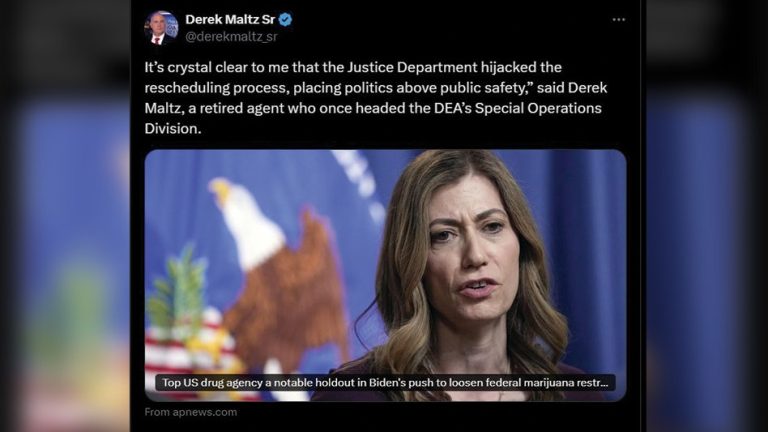
Maltz has expressed a willingness to embrace a scientific approach to this potential rescheduling, stating that if research supports it, “then so be it.” However, he has also voiced concerns that the process surrounding the rescheduling of cannabis has become entangled in political motivations. According to Maltz, “It’s crystal clear to me that the Justice Department hijacked the rescheduling process, placing politics above public safety.”
The Role of the Justice Department
The Department of Justice (DOJ) has played a crucial role in the anticipated changes. In a May 2024 interview with The Associated Press, it was reported that former DEA Administrator Anne Milgram indicated that the DOJ would take the lead in moving forward with the rescheduling process. This shift in authority has raised eyebrows, as it suggests a departure from the DEA’s historical role in determining classification categories for controlled substances.
The DOJ’s Notice of Proposed Rulemaking (NPRM) to reschedule cannabis was issued immediately following Milgram’s resignation, an action that did not go unnoticed. Attorney General Merrick Garland signed the NPRM on May 21, 2024, pushing the conversation forward.
Current Status of the Rescheduling Process
As of now, the rescheduling process is at a standstill. A hearing originally set to begin on January 21 has been postponed after DEA Administrative Law Judge John J. Mulrooney granted an interlocutory appeal concerning the DEA’s involvement in the process. Mulrooney stated that the hearing to debate the rescheduling merits is “canceled,” putting expert testimony and discussions on hold until a resolution regarding the appeal is reached.
This prolongation raises a critical question: How might the incoming Trump administration influence the fate of cannabis rescheduling? According to the Congressional Research Service (CRS), if a new administration takes office without a final rule having been published, it may direct the withdrawal of the proposed rule entirely. With such authority, the Trump administration could choose to halt the current rescheduling process altogether.
What Lies Ahead for Cannabis Regulation?
As we watch the developments unfold, the cannabis community is left wondering about the implications of Maltz’s leadership at the DEA and the broader political climate surrounding drug policy. Will science and public health considerations prevail over political maneuvering in this ongoing debate? The coming weeks and months will be critical in determining the trajectory of cannabis rescheduling, as stakeholders across the spectrum prepare for either significant progress or further delays.
Conclusion
Derek S. Maltz’s appointment as the acting DEA administrator places him at the center of a crucial moment in cannabis reform. As discussions pivot towards rescheduling cannabis, his law enforcement background will be tested against the mounting pressures from public health advocates, the scientific community, and political stakeholders. Only time will tell what the future holds for cannabis regulation in the United States.


0 Comments