

DEA Schedules Hearing for Potential Marijuana Rescheduling: What You Need to Know
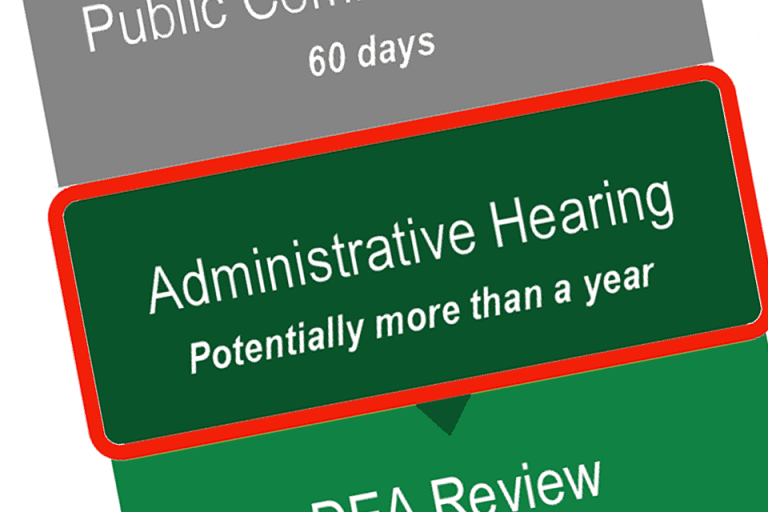
The U.S. Drug Enforcement Administration (DEA) has made a significant announcement regarding marijuana. On December 2, the agency will hold a hearing focused on proposed rulemaking that could reschedule marijuana from Schedule I to Schedule III under the Controlled Substances Act. This move has sparked considerable interest and debate within the cannabis community and beyond, especially as it coincides with the upcoming presidential election.
Understanding the Implications of Rescheduling
Currently, marijuana is classified as a Schedule I substance, which denotes a high potential for abuse and no accepted medical use. By contrast, Schedule III substances are considered less dangerous and recognized as having legitimate medical applications. Moving marijuana to Schedule III could offer several advantages, including:
- Easier access for research: Rescheduling could pave the way for more rigorous scientific studies on the medicinal benefits and safety of cannabis.
- Potential for federal regulation: With a change in scheduling, cannabis businesses could operate with more structure and clarity in terms of federal laws.
- Impact on taxation: Currently, businesses cannot deduct ordinary expenses from their taxes due to marijuana’s Schedule I status; a move to Schedule III would change this.
Timing of the DEA Hearing
The DEA hearing is scheduled for December 2 at 9 a.m. Eastern time, taking place at 700 Army Navy Drive in Arlington, Virginia. The agency reported receiving various requests for this hearing, underlining the public’s interest in the rescheduling process.
Participants and those wishing to testify must sign up in advance to be included in the proceedings. The primary aim is to collect factual evidence and expert opinions on whether marijuana should be classified as a Schedule III substance.
The Political Landscape and Its Influence
The timing of the DEA’s hearing is particularly noteworthy as it will occur just days before the presidential election in November 2024. This coincidence raises questions about the future of the rescheduling process. If Vice President Kamala Harris were to lose to former President Donald Trump, the rescheduling efforts could be jeopardized entirely. Trump has not made explicit commitments regarding cannabis reform, which leaves significant uncertainty in the air regarding potential changes in policy direction.
Timeline of Marijuana Rescheduling Discussions
The conversation surrounding the rescheduling of marijuana took off when President Joe Biden announced intentions to move “expeditiously” on the issue back in 2022. However, progress has been slow. It wasn’t until April 2024 that the Department of Justice formally backed the Schedule III proposal, marking a significant step forward but illustrating the complexities involved in the process.
What This Means for Stakeholders
The implications of rescheduling marijuana extend far and wide – from policymakers to consumers and industry stakeholders:
- Policymakers: Government officials will face pressure to create clear guidelines and policies guiding the sale, distribution, and taxation of cannabis.
- Industry Stakeholders: Businesses, investors, and consumers alike await clarity on how rescheduling will affect their operations and rights.
- Advocacy Groups: Organizations supporting cannabis reform may leverage this hearing to further their agenda and influence public opinion and legislation.
The outcome of the hearing could serve as a barometer for future federal cannabis policy, depending on who wins the upcoming presidential election.
Conclusion
The upcoming DEA hearing sets the stage for what could be a transformative period for cannabis legislation in the United States. As stakeholders prepare for the meeting, the outcome will hinge significantly on the evidence provided and the broader political landscape. With implications that could affect research, taxation, and industry regulation, all eyes will be on December 2.
FAQ
1. What does it mean for marijuana to be classified as Schedule III?
Schedule III classification indicates that marijuana is recognized for having accepted medical uses and potential for lower abuse than Schedule I substances, allowing for more research and regulatory clarity.
2. How can I participate in the December 2 hearing?
Those interested in participating or testifying at the hearing must sign up in advance, as indicated by the DEA. Specific registration details can be found on the DEA’s official website.
3. Could a change to Schedule III affect marijuana taxation?
Yes, moving marijuana to Schedule III could allow cannabis businesses to deduct ordinary expenses from their taxes, unlike their current limitations under Schedule I status.
4. What are the next steps after the DEA hearing?
The DEA will review the evidence and opinions collected during the hearing, which will significantly influence any potential rulemaking or changes regarding marijuana’s classification.


0 Comments