

Maldives Government Takes Strict Action Against Vape Products Amid Cannabis Seizure
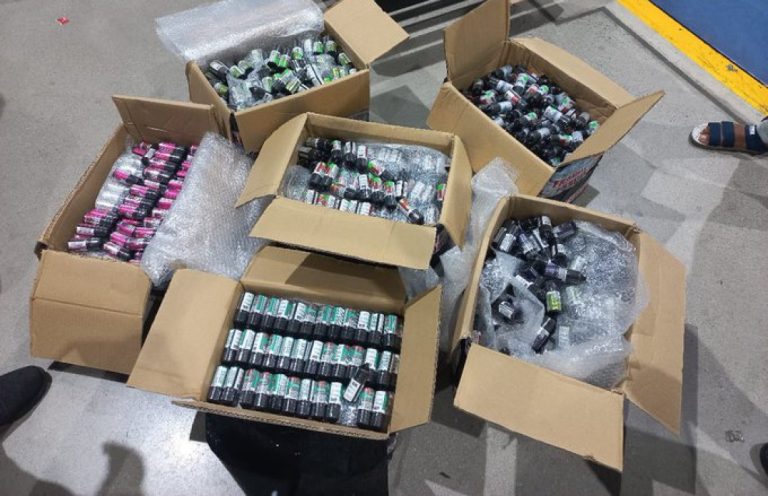
In a pressing development for public health and safety, Maldives Customs recently confiscated a shipment of cannabis disguised as vape oil. This incident has triggered a series of governmental actions aimed at clamping down on vape products across the archipelago. This article analyzes the recent events, the implications of the new policies being introduced, and the broader context surrounding vaping in the Maldives.
Seizure of Cannabis Labeled as Vape Oil
On the night of October 14, 2024, a shipment containing cannabis was seized by Maldives Customs, cleverly concealed under the label of vape oil or flavor. The Minister of Homeland Security and Technology, Ali Ihusan, highlighted this alarming trend in a recent social media post. He raised concerns about the potential for these narcotics to be clandestinely distributed to young students, often unaware of the dangers packaged within seemingly benign vape products.
Dhaadhi dhemmeaku “Vape Oil” ge namugai raajjeah ethere kurevunu masthuvaathaketheege baavathehkamahvaa Cannabis alhaafaivaa shipmenteh @CustomsMv in hifahattaifi. Mi ee Raees @MMuizzu miadhu nengevi decision nangavan jehunu emme bodu eh sabab.
Pending Vape Product Ban
As a direct response to the seizure and the rising concerns about youth exposure to vaping-related drugs, the Maldives government has announced a comprehensive ban on all vape products, effective November 15, 2024. This regulation encompasses the prohibition of the importation, possession, production, sale, advertisement, and distribution of vape products. Furthermore, President Dr. Mohamed Muizzu has mandated that these measures be put into practice to combat the growing issue of drug use among the younger population in schools.
Underlying Reasons for the Ban
Minister Ihusan has previously underscored a critical concern: many vape flavors have been found to contain illicit drugs, thus fostering an environment conducive to recruiting children into drug use. This pattern appears to be supported by local reports indicating that vape devices and their pods have been used to facilitate the distribution of narcotics among minors.
The Scope of Vaping in the Maldives
The prevalence of vape use amongst Maldivian youth has become a national concern, drawing ample attention from both health officials and educators. Recent statistics from the Maldives Customs Service reveal that between 2018 and mid-2024, over MVR 124 million worth of vapes and e-cigarettes were imported into the country, with a staggering MVR 19.7 million recorded just in the first half of 2024. This data showcases a significant rise in the availability of vaping products, contributing to the urgency behind the government’s decision to instate a ban.
Community Impact and Future Outlook
As this impending ban approaches, it is imperative for the Maldivian community to engage in discussions surrounding the implications of vaping and the highlighted public health risks. Health authorities are expected to ramp up educational campaigns addressing the risks associated with vaping, especially among vulnerable populations like students.
The multifaceted approach by the government, which includes both legislative action and public awareness, may set a precedent for similar actions in other regions grappling with similar vaping crises. The Maldives’ decision could inspire a more holistic view of public health strategy—one that prioritizes the prevention of drug use among youths through restrictive measures coupled with education and community support.
Conclusion
The recent seizure of cannabis disguised as vape oil has catalyzed the Maldives government’s strong stance on vaping and drug use within the country. With impending bans on all vape products designed to protect young citizens from potential drug exposure, the government’s efforts are targeted at mitigating not only health risks but also societal impacts attributable to vaping. Continuous monitoring and community engagement will be essential as the country navigates this critical public health challenge.


0 Comments