

The Landscape of Medicinal Cannabis Care in New Zealand: A Double-Edged Sword
In recent years, New Zealand has witnessed a significant evolution in the medicinal cannabis sector, particularly with the rise of dedicated clinics. However, experts express concerns about whether profits may overshadow the core mission of patient care. This article delves into the current state of medicinal cannabis in Aotearoa, demonstrating the balancing act between accessibility and potential conflicts of interest fueled by commercialization.
Current Status of Medicinal Cannabis Access in New Zealand
The enactment of new legislation in 2019 laid the groundwork for easier access to medicinal cannabis, which came into effect in 2020. This policy reform has led to notable advancements in prescription practices and product availability. According to research conducted by Massey University, approximately 160,000 prescriptions for medicinal cannabis are written annually, with the average quarterly supply increasing by an astonishing 14 times compared to previous years.
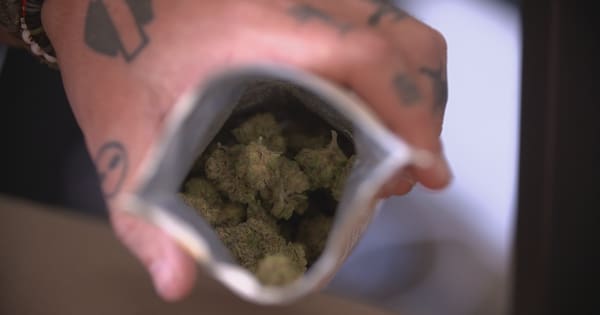
The landscape has shifted from mainly CBD oil to an increased availability of THC-heavy, flower-based products. Researchers have noted that while patient access has improved, the financial barriers associated with the costs of consultations and prescriptions remain significant. This disproportionately affects vulnerable groups, particularly Māori communities and older patients.
The Risks Associated with THC-Dominant Products
Medicinal cannabis, renowned for its therapeutic benefits, is prescribed for various conditions such as:
- Pain management
- Skin conditions
- Anxiety
- Seizures
- Nausea
However, prominent studies by experts like Marta Rychert raise alarms about the increasing dominance of high THC products in the market. Rychert cautions that, while these products are prescribed with good intentions, the potential health risks cannot be overlooked.
Health Risks of THC
High levels of THC can lead to various health challenges, including:
- Impaired memory
- Decreased cognitive function, affecting daily tasks such as driving
- The risk of developing cannabis use disorder
- Possible onset of psychosis
Therefore, there exists a critical need for healthcare professionals to be vigilant in prescribing such strong products, ensuring that they truly benefit the patient’s health and well-being.
The Profit Motive: A Concern for Patient Welfare?
A significant issue raised by researchers is the potential conflict between profit-driven motives and patient welfare. Rychert argues that the commercial nature of some medicinal cannabis clinics positions them dangerously close to profit-seeking practices. She warns that partnerships between clinics and companies producing cannabis products may lead to decisions that prioritize financial gains over the best interests of patients.
However, not all professionals share this opinion. Dr. Wazeem Alzaher from Cannabis Clinic firmly asserts that patient safety remains paramount in their operations. His clinic implements safety mechanisms such as validating information directly from a patient’s GP and requesting complete medical histories for better-informed prescribing practices.
Patient Experiences with Medicinal Cannabis
The patient perspective is central to understanding the impact of medicinal cannabis in New Zealand. For Auckland resident Nick Scott, who manages mental health challenges like PTSD and ADHD, medicinal cannabis has provided him with significant relief. He describes his experience as overwhelmingly positive, allowing him to relax effectively. Scott’s narrative mirrors that of many patients who advocate for the benefits of medicinal cannabis, highlighting the importance of personal experiences in discussions surrounding its use.
The Importance of GP Involvement and Training
Despite advancements, many general practitioners (GPs) remain hesitant to prescribe medicinal cannabis, which presents a considerable obstacle. Sally King, the executive director of the Medicinal Cannabis Council, emphasizes the need for GPs to view medicinal cannabis as a standard treatment option, similar to traditional medications like gabapentin or antidepressants.
The ongoing reluctance among GPs could lead to further challenges in accessibility for patients requiring medicinal cannabis. Thus, increased training and awareness within the medical community are essential for integrating medicinal cannabis into conventional healthcare practices.
Conclusion
The medicinal cannabis landscape in New Zealand is rapidly evolving amidst significant growth in clinics and product offerings. As accessibility improves thanks to recent legislative changes, it is crucial to remain cautious about the potential for profit-driven motives that may undermine patient welfare. Through continuous dialogue, improved training for healthcare providers, and a patient-centered approach, New Zealand can navigate these challenging terrains while ensuring that the health and well-being of individuals remain the priority.


0 Comments