
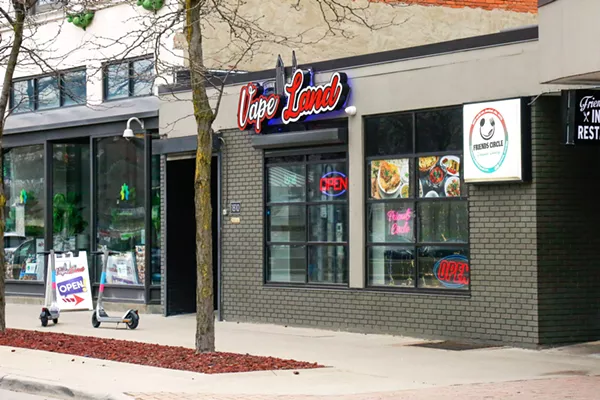

Cleveland’s New Smoke Shop Regulations: What You Need to Know
As Cleveland continues to grow and evolve, so do the regulations surrounding its numerous smoke shops. Recent legislative changes have introduced significant licensing requirements aimed at regulating the proliferation of these establishments within the city. Here’s a comprehensive overview of what these new laws entail and how they will impact both business owners and consumers.
Understanding the New Licensing Requirements
Effective from early October, all smoke shops in Cleveland will be required to obtain a license to operate legally. This licensing will incur an annual fee of approximately $300 to $500. This move comes in response to the increasing numbers of smoke shops, many of which have operated without stringent oversight, raising concerns about public health and safety.
Defining a Smoke Shop
The city has defined a smoke shop as any retail business where at least one-fifth of the storefront is dedicated to tobacco products. This broad definition includes a variety of goods, from traditional cigarettes to modern smoking alternatives such as vapes and kratom.
Health and Safety Inspections
Along with the licensing requirements, smoke shops will now be subject to regular health inspections. Notably, these inspections will focus on adherence to sales regulations, particularly regarding age restrictions. Selling items like kratom, Delta-8 THC, or vapes to individuals under the age of 21 can result in hefty fines, up to $1,000.
In a significant tightening of enforcement, failing a fourth inspection within a year could lead to the revocation of a shop’s license. This emphasizes the city’s commitment to not only regulating tobacco sales but also ensuring a safer environment for its younger residents.
Restrictions on Location
Aimed at addressing community concerns, the new laws will also impose geographical restrictions on smoke shops. No new smoke shop can open within two miles of an existing shop, or within 500 feet of sensitive sites such as schools, libraries, parks, or playgrounds. This is especially significant for neighborhoods with a high concentration of smoke shops, like Clark-Fulton and Old Brooklyn.
Official Statement from the Cleveland Department of Public Health
Dave Margolius, the director of the Cleveland Department of Public Health, has expressed that these regulations aim to balance public health with the interests of businesses. He stated, “Smoke shops and tobacco retailers have proliferated in this city, and now, thanks to this new set of laws, we have the tools to fight back. A healthy environment means people are able to quit smoking, or never start in the first place.”
Comparison with Other Cities
Cleveland’s approach reflects similar measures previously adopted in cities like Detroit, Columbus, and Cincinnati. These cities have implemented regulations to mitigate the oversaturation of smoke shops and curb rising vaping rates among teenagers. Notably, Columbus has enforced a ban on flavored tobacco, leading to the closure of numerous violating stores—another strategy that Margolius hopes to pursue in the future.
The Future of Smoke Shops in Cleveland
With these laws set to take effect approximately 180 days from approval, shop owners are advised to prepare for the upcoming licensing application process, which is expected to be accessible via a new online portal on the city’s website.
Conclusion
The changing landscape of smoke shop regulation in Cleveland marks a pivotal moment for public health and community safety. Business owners will need to adapt to these new standards, while residents can expect a healthier environment as a result of these significant legislative measures.


0 Comments