

Tackling Cannabis Odor Concerns in Carpinteria Valley: New Measures Announced
In response to persistent community concerns regarding the “skunky” smell of cannabis, a recent proposal by the county Planning and Development department aims to address odor complaints in the Carpinteria Valley, which has become a bustling hub for cannabis greenhouse operations. This report summarizes the key aspects of the proposal and the reactions it has inspired among local residents and stakeholders.
The Proposal Overview
The county’s plan involves using inspectors equipped with specialized devices known as Nasal Rangers to measure cannabis odors along the property lines of greenhouse establishments. This initiative is seen as a systematic approach to gauge and manage the scented emissions from cannabis cultivation, aiming to create a balance between agricultural activities and residents’ quality of life.
Under the guidelines of the revised cannabis ordinance presented to the Planning Commission, any identified cannabis odor that exceeds “noticeable” levels for a duration of at least three minutes will trigger mandatory actions from growers. These actions could include tuning existing odor control systems, executing diagnostic tests, or investing in advanced odor mitigation technologies.
Inspection Framework
To bolster oversight of cannabis operations, county inspections will be conducted quarterly during the initial year of activity and will shift to annual, unannounced inspections moving forward. Furthermore, greenhouse owners will be required to set up run-time meters that monitor the functionality of their odor control equipment.
The proposed amendments are portrayed as establishing “an objective standard or threshold that is measurable and enforceable,” crucial for effectively identifying and managing cannabis-related odor nuisances in the Carpinteria Valley, as stated in the county’s report.
Implementation Challenges
For these odor control measures to be enacted, several steps are necessary: a recommendation from the Planning Commission, a majority vote from the county Board of Supervisors, and the ultimate sanction from the state Coastal Commission. This procedural roadmap suggests that the implementation process could extend beyond a year before becoming a reality.
Community Reactions
The proposed measures have received a mixed response from the Carpinteria community. During a recent Planning Commission hearing, numerous letters from local residents expressed dissatisfaction, arguing that the framework does not go far enough to alleviate the odor nuisance that has been a source of contention for years.
Coalition representatives, such as Lionel Neff, voiced that while the introduction of property line testing and odor thresholds represents progress, it still falls short of addressing the ongoing issues faced by residents in the valley. “Community members have suffered for years,” Neff remarked, expressing a need for more urgency in implementing effective solutions.
Calls for Further Action
Community sentiments include requests to delay any action on the proposal until Supervisor-elect Roy Lee, who is set to take office in January, can weigh in on the matter. Critics argue rushing the ordinance amendments undermines the recent electoral decisions made by the constituents of the first district.
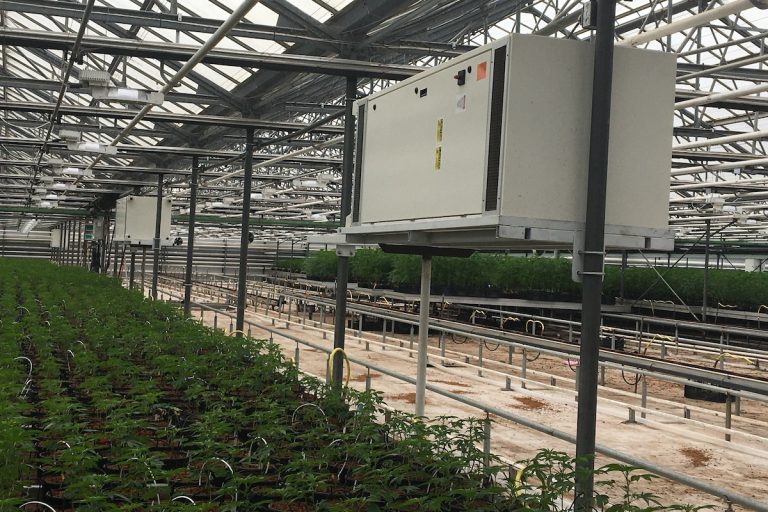
Residents have highlighted that many greenhouse operations rely primarily on “misting” systems that only mask odors rather than eliminate them, with only a handful using carbon or “scrubber” systems that effectively combat smell emissions.
There is a collective urging from the community for the county to mandate carbon scrubbers in all cannabis greenhouses, establishing more stringent regulations that align with the expectations of local residents, especially those living in proximity to these facilities.
Recent Findings and Measurements
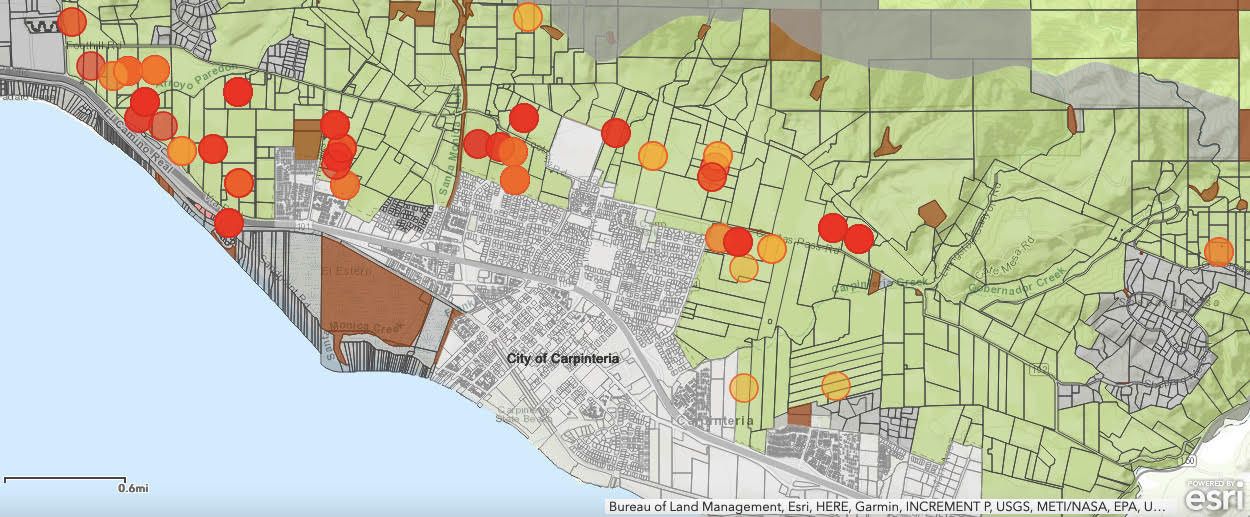
Accompanying the proposal are findings from a recent evaluation by Geosyntec Consultants. In their analysis, over 335 measurements were recorded using Nasal Rangers, showing various levels of odor around valley greenhouses. Notably, most measurements returned classifications ranging from “no odor” to “faint or transient odor,” suggesting that while complaints exist, regulations may reflect a need to focus on specific high-odor areas rather than encompassing all operations.

Further tests within active greenhouse environments predictably revealed strong odor levels; however, measurements taken at property lines showed odors subsiding substantially, indicating a discrepancy that will require more in-depth discussions and potential amendments to the planned regulations.
Conclusion
As Carpinteria navigates the complexities of cannabis agriculture versus community well-being, the introduction of structured odor control measures reflects both an effort to uphold local interests and highlight the ongoing debates surrounding agricultural practices in residential areas. The path forward invites further community engagement, potentially transformative local legislation, and a commitment to balancing economic growth with quality of life for residents.
What are the main components of the proposed odor control measures in Carpinteria Valley?
What criticisms have residents raised regarding the odor control proposal?
How long might it take for the proposed odor control measures to be implemented?
What were the findings of the Geosyntec Consultants regarding cannabis odors?
The Persistent Cannabis Odor Challenge in Carpinteria
The scenic Carpinteria Valley is renowned for its picturesque landscapes and thriving agriculture, yet a contentious issue looms over its greenhouses: the pervasive smell of cannabis. With the growing cannabis industry comes an increased responsibility to manage odors that reach local homes and neighborhoods. This article delves into the recent developments, community reactions, and the technological solutions aimed at tackling this olfactory challenge.
Odor Control: Inspection and Compliance
In an effort to address the community’s complaints about cannabis odors, Geosyntec, a specialized consulting firm, conducted rigorous inspections from December 2022 to April 2024. Their study focused on 50 misting systems and scrubbers implemented at 22 cannabis cultivation sites in the Carpinteria Valley, along with two nearby in Buellton. The findings indicated that most growers adhered to their county-approved odor control plans and that the installed systems functioned effectively to mitigate odors.
In response to these findings, CARP Growers, a coalition representing local greenhouse owners, expressed their satisfaction with Geosyntec’s comprehensive review. They argue that a substantial amendment to the county’s cannabis ordinance may not be necessary, cautioning against what they perceive as an arbitrary threshold for odor monitoring at property lines. Additionally, the group highlighted that many greenhouses are located considerable distances from residential areas, suggesting that not all concerns are equally justified.
Community Feedback: Odor Complaints and Regulations
Despite the findings of effective odor control systems, residents continue to voice their frustrations. Since early 2016, Carpinteria residents have lodged over 3,900 complaints about cannabis odors and the associated “laundromat” scent of misting systems. In 2023 alone, there have been 253 complaints filed, showing a marked decrease from 1,200 in 2021, though engagement appears to have waned as some residents express disillusionment with the complaint process.
Residents like Merrily Peebles have taken to writing letters to local commissions, urging officials to ensure that any amendments to odor control regulations are stringent and effective. Peebles relayed her personal struggles with the persistent cannabis smell, which she argues affects her daily life, potentially contributing to health issues and depreciating property values. This sentiment reflects a broader concern among residents who feel that current regulations lack coherence and enforceability.
The Need for Stricter Measures
An ongoing debate among residents revolves around the threshold of odor recognition that should trigger regulatory actions. Many advocate for a stricter standard, suggesting that the threshold for odors at greenhouse property lines be lowered to “faint” or even “zero.” Some are calling for substantial consequences for cultivators who fail to manage odors, including potential fines or revocation of business licenses.
The county’s response to handling odor complaints has also been met with skepticism. Current proposals would only initiate monitoring actions when there are multiple complaints within a short timeframe, which many residents argue does not sufficiently address the problem, particularly in areas not located directly next to cultivation sites. The winds can carry odors from distant greenhouses, complicating efforts to pinpoint the source of the smell.
A Path Forward: Engaging Solutions
The ongoing discussions surrounding the cannabis odor issue present an opportunity for substantial reform. Supervisor-elect Lee emphasized the importance of overhauling the existing complaint system to better serve constituents and restore public trust. The introduction of reliable measurement techniques and stricter regulations could pave the way for an improved living environment in affected communities.
Simultaneously, technology continues to evolve. The recent studies being conducted by Geosyntec and Southern California Edison are exploring potential configurations for enhancing odor control mechanisms at both greenhouse and outdoor cannabis operations. These improvements could align with the county’s needs while satisfying community concerns.
Conclusion
The ongoing battle against cannabis odors in Carpinteria highlights a complex intersection of agricultural innovation, community health, and regulatory action. As stakeholders from both sides of the debate come together to seek solutions, it is evident that a collaborative approach, guided by technology and responsive governance, will be essential in addressing the lingering concerns of local residents.


0 Comments