

Cannabis And Meth Cheaper, More Cannabis Available, Drug Survey Finds
A recent survey on drug trends in New Zealand has revealed some interesting findings regarding the availability and prices of cannabis and methamphetamine. The survey, conducted by Massey University SHORE and Whāriki Research Centre, gathered data from over 13,000 individuals with knowledge of drug use and markets between August 2022 and February 2023.
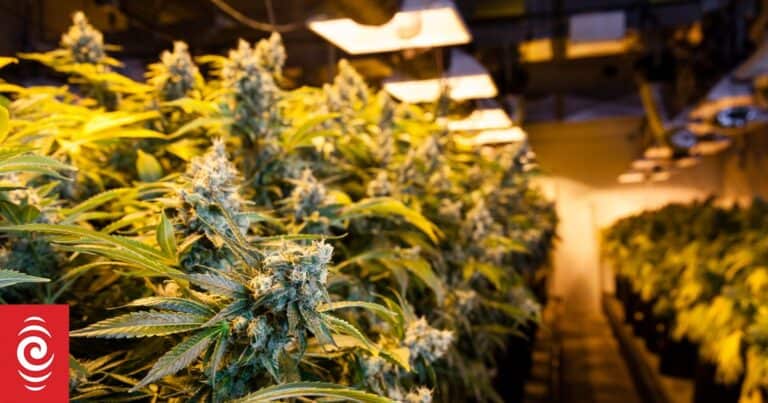
One of the key findings of the survey is that both cannabis and methamphetamine are becoming cheaper. The mean price for an ounce of cannabis has seen a decline from $368 in 2017/18 to $336 in 2022/23. This decrease in price could be attributed to various factors, including a shift away from strong crackdowns on cannabis possession and cultivation, as well as changing public attitudes towards cannabis following recent referendums and debates. The introduction of the Medicinal Cannabis Scheme in 2020 may also be influencing the increase in reported cannabis availability.
According to the survey, obtaining cannabis has become easier for a significant portion of respondents. Forty-five percent of participants said it was “very easy” to obtain cannabis over the past year, compared to only 14 percent in 2017/18.
In addition to cannabis, the survey also found that the average price of a gram of meth has dropped by 28 percent compared to four years ago. The price has decreased from $563 per gram in 2017/18 to $406 per gram in 2022/23, with a record low of $390 per gram reported in 2020. These findings align with the trends observed in meth seizures at the border and detection in national wastewater testing. The survey’s author suggests that the decline in meth prices may be due to the increasing industrial large-scale production of meth in regions such as South East Asia, East Asia, and the Americas.
The survey’s results also highlighted the increasing use of cocaine in urban centers, particularly in Auckland. This finding is consistent with both border seizures and wastewater testing. According to the researchers, the global surge in cocaine production may be contributing to an influx of cocaine in new markets like New Zealand.
However, the survey revealed a different trend for ecstasy. Obtaining ecstasy has reportedly become more difficult, with prices rising in the past year. The researchers attribute this to the impact of the COVID-19 pandemic on global ecstasy production. As New Zealand is far from the main production countries, the disruptions caused by the pandemic may have had a lasting effect on supply.
On the other hand, the survey found that psychedelic drug use has remained relatively stable, accompanied by an increase in availability and a slight decline in price. The researchers suggest that the growing interest in the therapeutic properties of synthetic psychedelics, in addition to traditional LSD, may be driving greater supply.
It’s important to note that these findings are specific to the New Zealand context and should not be generalized to other regions. The survey provides valuable insights into the current drug trends in the country, highlighting changes in availability and prices for cannabis, methamphetamine, cocaine, ecstasy, and psychedelics. Further research and monitoring are necessary to understand the complex factors influencing these trends and their implications for public health and drug policy.


0 Comments