

Belgium Takes Bold Steps Against Disposable Vapes: What You Need to Know
As of January 1, 2025, Belgium will implement a comprehensive ban on the sale of single-use vapes, marking a pivotal enhancement in its national anti-tobacco strategy aimed primarily at safeguarding the health of the younger generation. This action aligns with the broader objective of the European Union to develop a tobacco-free generation by the year 2040, intending to reduce smoking rates across all member states from a current 25% to less than 5%.
The Rise of Disposable Vapes Among Youth
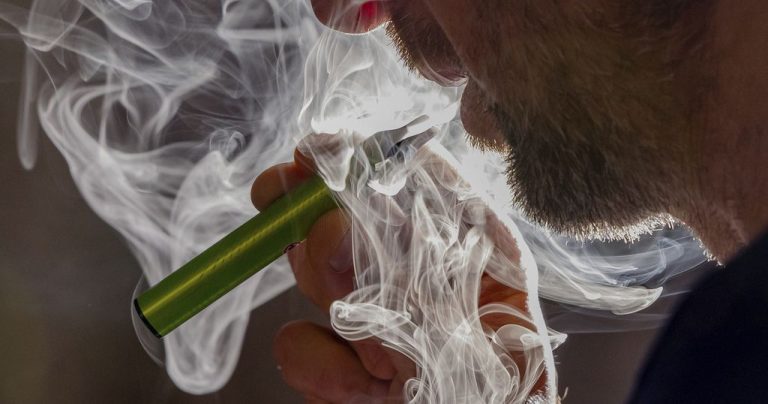
Single-use e-cigarettes have seen a dramatic surge in popularity, especially among teenagers, due to their alluring flavors and eye-catching packaging. However, these products have come under scrutiny because of their high nicotine concentrations and significant environmental footprint. As Nora Melard, a spokeswoman for Belgium’s Alliance for a Tobacco-Free Society, rightly points out, “The problem is that young people start using vapes without always knowing their nicotine content, and nicotine is addictive.”
A Historic Proposal Comes to Fruition
The Belgian government took steps toward this ban in 2021 when it proposed regulations to the European Commission. By March 2024, this proposal was approved, and the nation took definitive steps to outlaw the sale of these e-cigarettes, similar to actions taken by France, which plans to impose hefty fines—up to €100,000 for violations—related to the sale of disposable vapes.
Health Risks for Adolescents
Health professionals have raised alarms about the dangers posed by the habitual use of nicotine by adolescents. They warn that early exposure can potentially hamper brain development and set young users on the path toward other addictive substances. Moreover, the accessible price of these products—often around half the cost of a traditional 20-pack of cigarettes—has made them even more attractive to the youth.
Environmental Concerns and Disposable Vapes
In addition to public health concerns, environmental activists have branded disposable vapes as an “ecological disaster.” These items, typically comprising plastic and lithium batteries, are designed for use over merely five days before being discarded. Consequently, they contribute to escalating levels of electronic waste, posing further challenges for sustainability and environmental conservation efforts.
Public Response to the Ban
The public reaction to the upcoming ban has been mixed. While some young users have expressed confusion regarding why traditional tobacco products aren’t similarly restricted, others have welcomed the decision. A local resident from Brussels named Yona Bujniak remarked, “It’s good to stop selling them. A lot of young people don’t think about the consequences when they start.” This sentiment underscores the growing awareness about the impacts of vaping among adolescents.
Implications of the Ban
As Belgium gears up for this ban, many local tobacco shops are starting to report dwindling supplies of disposable vapes. This signals a close to what has been a relatively short-lived yet impactful trend in vaping culture, with potential long-term effects for both public health and the environment.
Conclusion
The ban on single-use vapes in Belgium is not just a precautionary measure but a critical strategy in the global fight against nicotine addiction amongst youth and its detrimental environmental impacts. As this law comes into effect, one can only hope that it serves as a model for other nations wrestling with similar health and ecological concerns.


0 Comments