
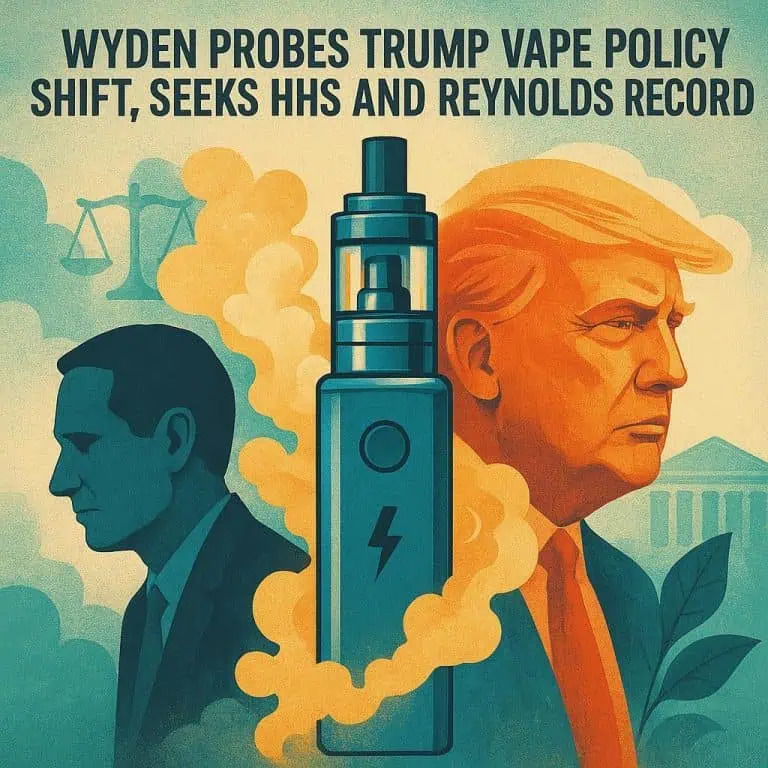

Wyden Probes Trump Vape Policy Shift, Seeks HHS and Reynolds Records
The clash over federal vaping regulations has taken a new turn as Senator Ron Wyden launches an investigation into a major Trump vape policy shift. By seeking internal records from the U.S. Department of Health and Human Services (HHS) and tobacco giant Reynolds (Reynolds American Inc.), Wyden aims to uncover whether political or industry pressure influenced decisions about flavored e-cigarettes and youth vaping.
This article breaks down what Wyden is asking for, why it mattersand how the outcome could shape the future of vape policy and public health in the United States.
Background: How the Trump Vape Policy Shift Unfolded
In the late 2010s, the U.S. faced a sharp spike in youth vaping. Public health officials described an “epidemic” of teenage e-cigarette use, especially flavored products. Initially,the Trump administration signaled a tough response,including a potential ban on flavored e-cigarettes.
However, after heavy lobbying by the vaping and tobacco industries, as well as concerns from some adult users and small businesses, the administration ultimately adopted a more limited approach. Certain flavored cartridge-based e-cigarettes were restricted, while other products stayed on the market.
It is this apparent policy reversal that has triggered Senator Wyden’s scrutiny. He wants to know whether the final decision reflected sound science and public health evidence-or whether it was shaped behind the scenes by corporate interests.
Why Senator Wyden Is Investigating
Senator Ron Wyden, a senior Democrat and chair of a key Senate committee overseeing tax and trade issues, has positioned himself as a watchdog on corporate influence in public policy. His decision to probe the Trump vape policy shift is driven by several core concerns:
- Transparency: Were major changes to vaping rules discussed openly and based on evidence?
- Industry pressure: Did companies like Reynolds play an outsized role in shaping the final regulations?
- Public health impacts: Did the shift weaken protections for teens and young adults?
- Regulatory integrity: Did HHS and its agencies follow their usual scientific and legal processes?
By demanding documents and communications, Wyden aims to piece together a detailed timeline of how decisions were made inside both government agencies and corporate boardrooms.
What Records Wyden Wants from HHS and Reynolds
Wyden’s document requests focus on understanding the interplay between policymakers, political appointees, and tobacco industry lobbyists. While the precise wording of each request may vary, here are the main categories of records he is seeking:
Records Sought from HHS
- Internal emails and memos about proposed e-cigarette regulations during the Trump administration.
- Communication between senior HHS officials and the White House regarding vape policy.
- Drafts of policy proposals and notes explaining why they were changed or withdrawn.
- Risk assessments or scientific analyses used to justify the final vaping policy decisions.
Records Sought from Reynolds
- Emails and letters between Reynolds and federal officials related to vaping, e-cigarettes, and flavored products.
- Lobbying materials, talking pointsand strategy documents focused on influencing the Trump vape policy.
- any internal analysis about the impact of stricter vaping rules on company profits and market share.
| HHS | Internal memos | Who drove the policy change? |
| HHS | Science reviews | Was evidence fully considered? |
| Reynolds | Lobbying emails | How intense was industry pressure? |
| Reynolds | Market analysis | What did they stand to gain or lose? |
Key issues at Stake in the Vape Policy Debate
The investigation goes beyond political drama. It highlights a set of long‑running tensions at the heart of vaping regulation in the U.S.
Youth Vaping vs. Harm Reduction
Public health experts frequently enough clash over how to balance two goals:
- Protecting youth: Flavored products and sleek devices are widely blamed for attracting teenagers and young adults who might or else avoid nicotine.
- Helping adult smokers quit: Some research suggests that regulated e-cigarettes can help longtime smokers move away from more risky combustible cigarettes.
Policy decisions about flavors, marketingand product approvals can tilt that balance in one direction or the other. Wyden’s probe seeks to determine whether the Trump-era choices appropriately weighed these competing priorities.
industry Influence on Public Health Decisions
Another core issue is whether tobacco and vaping companies have too much influence over regulators. Past controversies around customary cigarettes have shown that industry lobbying can delay or weaken life‑saving rules.Wyden’s inquiry echoes those concerns,now in the context of modern vaping technology.
Potential Outcomes of Wyden’s Probe
Wyden’s investigation is still unfolding, but several possible outcomes are already on the table. Each path carries consequences for policymakers,companies,and consumers alike.
| New Legislation | Stronger guardrails on vape marketing and flavors. |
| Regulatory Changes | Tighter FDA review of e-cigarette products. |
| Increased Transparency | More public access to policy-making records. |
| Industry Scrutiny | Closer monitoring of corporate lobbying tactics. |
Implications for Public Health Policy
- future administrations may face stronger expectations to document and justify any policy reversals on public health issues.
- Agencies like HHS and the FDA could be required to publish more of their scientific analyses and stakeholder meetings.
- Congress might push for clearer legal standards on how quickly regulators must respond to spikes in youth nicotine use.
Implications for the Vaping and Tobacco Industry
- Companies such as Reynolds may invest more heavily in compliance and transparency to rebuild public trust.
- Marketing strategies could shift away from youth‑appealing flavors and imagery toward strictly adult-focused products.
- Future attempts to shape federal vape policy may face more aggressive oversight from watchdogs and lawmakers.
Practical Tips for Consumers Following Vape Policy News
For consumers-especially parents, educatorsand adult vapers-the swirl of headlines can be confusing. Here are a few practical ways to stay informed and protect your health:
- Check reliable sources: Follow updates from the FDA, CDCand reputable health organizations for unbiased facts about vaping risks and regulations.
- Understand local rules: State and local laws on flavors, age limitsand sales channels might potentially be stricter than federal policy.
- Talk with teens early: Open conversations about vaping, nicotine addictionand marketing tactics can definitely help reduce youth use.
- if you vape to quit smoking: Consult health professionals about the safest strategiesand stay alert to changes in federal rules that may affect product availability.
Why This Investigation Matters Beyond Vaping
At its core, Wyden’s probe into the Trump vape policy shift is about more than e-cigarettes. It speaks to the broader question of how public policy is made in Washington:
- Do science and data drive critical health decisions?
- Or do campaign considerations and corporate interests tip the scales?
By demanding records from both HHS and Reynolds, Wyden is testing the strength of U.S. oversight mechanisms. The results could set precedents for how future investigations handle issues ranging from pharmaceuticals to environmental regulations.
Conclusion
Senator Ron Wyden’s decision to probe the Trump administration’s vape policy shift and seek records from HHS and Reynolds marks a significant moment in the ongoing debate over vaping, youth nicotine useand corporate influence in Washington. Whether the final outcome is new legislation, tougher rulesor simply a clearer public record, the investigation is highly likely to shape how future administrations approach vaping regulation and other high‑stakes public health issues.
For now, staying informed, watching how agencies respondand following credible health guidance are the best strategies for anyone trying to navigate the rapidly changing landscape of U.S. vape policy.


0 Comments