
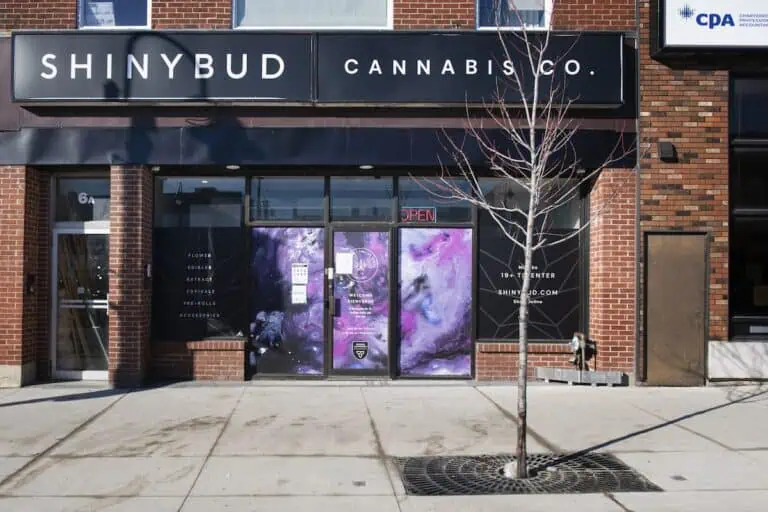

The Hypocrisy of Cannabis Display Laws in Canada
In the evolving landscape of cannabis legislation across Canada, a parallel can be drawn to historical attitudes surrounding alcohol. The phrase from the beloved TV show The Simpsons, where the minister’s wife cries, “won’t somebody please think of the children?” encapsulates the public’s risk perceptions involving cannabis. Although it is a heartfelt appeal, it often becomes a rhetorical tool to stifle meaningful dialogue about cannabis regulations.
The Current Landscape of Cannabis Display Laws
The Canadian government legalizes cannabis but simultaneously enforces strict laws regarding its visibility in retail environments. This paradox raises questions: If cannabis is deemed safe enough for legal sale, why must it also be hidden from public view, especially from minors?
Unlike alcohol and gambling, cannabis vendors face uniquely stringent laws regarding store displays. This inconsistency reflects poorly on legislation aimed at promoting responsible consumption.
The Impact on Retailers
For cannabis retailers, the inability to showcase products in storefront windows hampers their ability to attract customers effectively. An inviting store exterior can significantly enhance customer foot traffic, but opaque windows undermine this potential.
Large retailers might consider building an interior wall to comply with regulations, but this approach consumes valuable rent-paying real estate. Many opt instead to cover their windows entirely, inadvertently diminishing neighborhood vitality and making the shopping environment less appealing.
Comparative Relaxation of Alcohol Laws
Interestingly, Ontario’s liquor laws allow minors into stores as long as they’re accompanied by an adult. This stands in stark contrast to cannabis laws, which prohibit minors from entering cannabis retail spaces altogether. Parents running errands are forced to make uncomfortable decisions, inevitably excluding their children from these shopping experiences.
While alcohol advertisements glamorize drinking, cannabis marketing is mired in regulations prohibiting the portrayal of excitement or glamour. The double standard is clear: promoting healthy adult consumption looks drastically different across these two vices.
A Balanced Approach to Vices
Although vices can pose societal risks, a measured approach is crucial. Regulations that prohibit both cannabis and alcohol sales near schools are logical and necessary as they protect vulnerable youth. Equally, strong penalties for underage sales must remain in place to ensure responsible adult access.
Time for a Regulatory Overhaul
In light of the existing disparities, the most rational solution would be to align the regulations governing cannabis with those of alcohol and gambling. This would involve loosening restrictions on cannabis while simultaneously tightening controls on gambling, which tends to attract a more impressionable audience.
Cannabis: Legal but Stigmatized
Interpreting cannabis as a legal yet shameful product invokes nostalgic memories of the Liquor Control Board of Ontario’s past. For years, consumers engaged in furtive transactions, discreetly concealing their purchases. After years of public discourse, it is time for a shift in the narrative surrounding cannabis.
Although legalization came in 2018, it appears that lingering stigmas have persisted. The Canadian public is now more accustomed to the sight of cannabis usage; legal consumption is even prevalent in major provinces. Yet, retail environments remain shackled to laws that erroneously presume that mere visibility could threaten youth integrity.
Conclusion
It is imperative that we reassess the framework surrounding cannabis legislation in Canada. The restrictions placed on cannabis display and marketing do not resonate with the more relaxed, normalized perceptions of alcohol. To better serve society and its consumers, the time has come for governments to adopt a more rationalized approach to cannabis regulation.

0 Comments