
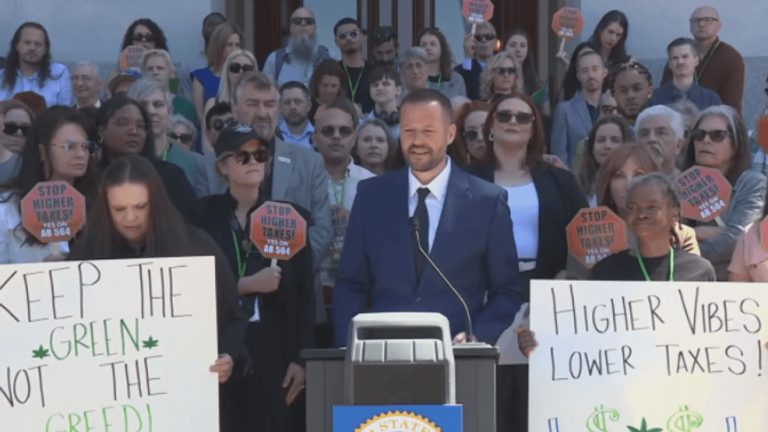

The Fight Against Cannabis Tax Increases: Assembly Bill 564 Explained
by Devin Herenda
March 24, 2025
Introduction to Assembly Bill 564
As California continues to navigate the complexities of its legal cannabis market, a significant development has emerged: Assembly Bill 564. Proposed by Assemblymember Matt Haney, this bill aims to prevent a substantial increase in cannabis taxes that is set to take effect in July 2025. The proposed legislation seeks to protect the legal cannabis sector from excessive taxation, which could push consumers back into the illicit market.
Background of the Cannabis Tax Increase
The cannabis tax increase, which would raise rates by 25%, has raised concerns among industry leaders and lawmakers alike. Assemblymember Haney argues that this impending tax hike poses a serious threat to the stability and growth of California’s cannabis industry, potentially endangering the livelihood of small businesses that are striving to compete against unregulated sellers.
Assemblymember Haney’s Advocacy
On March 24, 2025, Haney held a press conference at the California State Capitol to advocate for his proposal. During the event, he emphasized the importance of supporting the legal cannabis industry:
“We can either support this legal industry, these small businesses, to be able to build the thriving cannabis industry that we know California can grow, or we can tax or overregulate this industry to death,” Haney stated.
His message was clear: excessive taxation could drive legal businesses out of the market, leading to dire consequences for both the economy and local communities.
The Impact on Cannabis Businesses
The proposed tax increase comes on the heels of Redding City Council’s recent decision to raise local cannabis business taxes, elevating the retailer’s initial rate from 5% to 6% of gross receipts. This increase only adds to the financial burden faced by legal cannabis operators.
One such operator, Laythen Martines, co-founder of the Sundial Collective dispensary located in Redding, voiced his frustrations during the press conference. He articulated a concern shared by many within the industry: the current tax structure is unsustainable.
Martines’s Perspective
“We pay sales tax, and you pay an extra 5% cannabis tax. But don’t tax us 19% is the proposal, and then tax us 6% at the city level, and then tax us 7.25% for sales tax,” he explained. “That’s… It’s just unethical.”
Martines’s comments highlight the increasingly complex layer of taxation that cannabis businesses must navigate, which he believes is unjust and detrimental to the growth of the industry.
The Future of California’s Cannabis Taxation
Assemblymember Haney is optimistic about the prospects of AB 564, emphasizing the need for timely legislative action to halt the tax increase. He expressed hope that the bill would become law rapidly, ideally before the July deadline. However, if timing does not align favorably, the push for the bill’s passage will continue.
Industry leaders, including Martines, are also collaborating on solutions to create a more sustainable and fair tax structure moving forward. Discussions about implementing a flat tax system are underway, aiming to alleviate the burden on small businesses and ensure competitiveness in a market already rife with challenges.
Conclusion
As California’s cannabis industry stands at a crossroads, the future of taxation remains uncertain. Assembly Bill 564 offers a glimmer of hope for operators who are wary of impending tax hikes that could threaten their survival. It emphasizes the state’s commitment to supporting the legal cannabis market, fostering growth and innovation rather than driving businesses underground.

0 Comments