
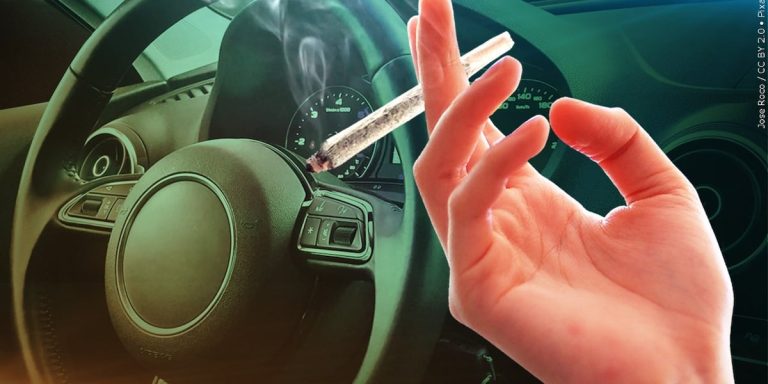

The Growing Concern of Cannabis-Impaired Driving: Key Insights from AAA Studies
As cannabis consumption continues to rise in the United States, with recent reports placing it as the third most used substance, concerns about its impact on driving safety have become increasingly prominent. A recent report from the AAA Foundation for Traffic Safety sheds light on this issue, revealing insights that can inform safety strategies and messaging aimed at reducing impaired driving.
Understanding Cannabis Consumers’ Driving Habits
According to the AAA Foundation’s studies, a significant percentage of cannabis consumers reported that the drug had little to no effect on their driving abilities. Here are some of the notable findings from the first study:
- Frequency of Use: 44.1% of participants consume cannabis multiple times a day.
- Daily Driving: 57.8% of respondents drive on a daily basis.
- Consumption and Driving: A staggering 84.8% reported driving on the same day they consumed cannabis, with 53% admitting to having consumed it an hour or less prior to driving.
- Perception of Impairment: 46.9% believe their driving is unaffected; 14.7% feel they drive a little better, and 19.4% think they drive much better while under the influence.
- Messaging Trust: 38.6% indicated they would trust safe driving messages regarding cannabis from industry groups, brands, or companies.
Messages that Resonate with Cannabis Consumers
The second study conducted by AAA aimed to determine which impaired driving messages would resonate with cannabis users. The findings highlighted the effectiveness of certain messaging strategies:
- Focus on Responsibility: Messages emphasizing personal responsibility and safety concerns were found to be more effective than those centering on legal risks.
- Realistic Messaging: Consumers preferred messages that were realistic, positive, and diverse, steering clear of exaggerated stereotypes about cannabis users.
- Targeted Communication: Tailoring messages to the specific demographics of cannabis consumers is essential for ensuring relevance and effectiveness.
According to Jake Nelson, AAA’s director of traffic safety advocacy, “Effective messaging about cannabis-impaired driving needs to include credible voices, real-world scenarios, and respectful language. Individuals who consume cannabis come from all walks of life and that should be reflected in the messaging.”
The Unquantifiable Effects of Cannabis
Unlike alcohol, the impairing effects of cannabis are multifaceted and not easily quantifiable. These effects can include:
- Sleepiness
- Brain fog
- Impaired body movement
- Hallucinations
- Changes in visual or auditory perception
According to AAA, “Although AAA does not take a position on the legality of marijuana, we strongly oppose people driving under the influence of the drug. Marijuana causes impairing effects that make it unsafe to operate a motor vehicle.” This statement underlines the organization’s commitment to road safety irrespective of legal standings on cannabis use.
The Road Ahead: Enhancing Safety Messaging
As the cannabis landscape evolves, so too must the strategies for communicating the risks associated with impaired driving. It is clear that consumers’ perceptions and behaviors around cannabis use can significantly impact their driving decisions. To create safer roads, targeted and relatable messages are essential.
It is crucial for the auto and cannabis industries to collaborate and develop comprehensive programs that educate users on the potential dangers of impaired driving. By delivering messages that resonate and build trust, there is a greater chance to effect change within the cannabis consumption community and contribute to overall road safety.
Conclusion
With nearly half of cannabis consumers believing they can drive safely while under the influence, there is a pressing need for effective communication strategies that highlight the true risks involved. A data-driven approach to messaging, informed by the insights gleaned from the recent AAA studies, can play a pivotal role in promoting safe driving among cannabis users, ultimately enhancing the safety of all road users.


0 Comments